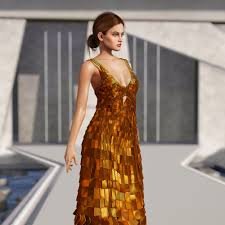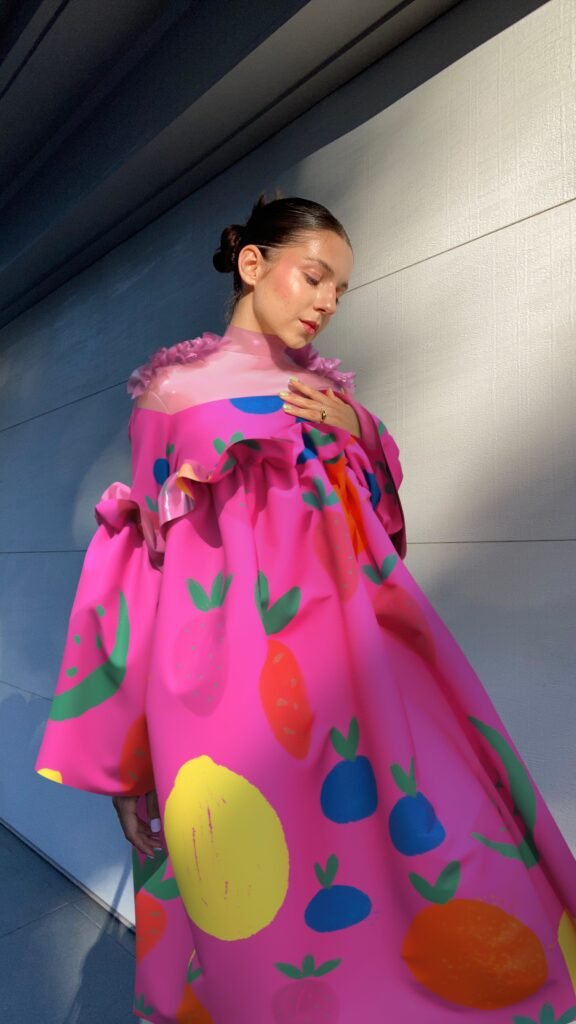
There’s something oddly fascinating about the idea of wearing clothes that don’t physically exist. A jacket you can’t touch, sneakers you’ll never lace up, yet somehow they feel real in the world they’re designed for. That’s exactly where digital fashion is quietly heading. It isn’t just a tech gimmick anymore—it’s slowly becoming part of how identity, style, and self-expression work in virtual spaces.
What makes it more interesting is how naturally it’s blending into platforms people already use. From gaming skins to virtual runways and social media avatars, the line between “real wardrobe” and “digital wardrobe” is getting thinner than most people expected.
The Rise of Style in Virtual Worlds
If you look at how online spaces have evolved, fashion was always going to follow. First came emojis, then filters, then full-blown avatars that look almost human. Now the next logical step is dressing those avatars with intention.
Related storyBeyond Labels: How Gender-Neutral Fashion Is Quietly Reshaping India’s Style Culture
Brands are experimenting with virtual drops the same way sneaker companies once did with limited editions. People buy digital outfits not because they “need” them, but because they want to be seen a certain way in a digital crowd. It’s less about utility and more about identity.
And honestly, that’s not very different from real-world fashion. We’ve always dressed to express, not just to cover up. The metaverse simply removes physical limitations from that expression.
Why Big Brands Are Paying Attention
Luxury brands didn’t jump into digital fashion by accident. It started as curiosity, but now it’s strategy. Younger audiences spend more time online than in malls, and that changes everything about marketing and design thinking.
Related storyStitching Things Back Together: Why Repair Culture Is Quietly Taking Over Fashion Again
A virtual handbag doesn’t require raw materials, shipping, or storage. It exists as code—but still carries status. That’s a strange but powerful shift. Suddenly, exclusivity is defined by access, not ownership in the traditional sense.
Some brands are even testing hybrid releases—buy a physical item, get a matching digital version for your avatar. It’s a small idea, but it hints at a much larger ecosystem forming quietly in the background.
How Big Can This Trend Really Get?
The real question everyone keeps circling back to is growth. And not just hype growth, but sustainable demand.
Digital fashion (virtual clothes) ka trend metaverse me kitna grow karega? Well, the answer depends on how deeply people integrate their digital and physical lives in the coming years.
Related storyCloser Look at Lily Arkwright Yellow Gold Engagement Rings Collection
Right now, adoption is mostly driven by gaming communities, influencers, and tech-savvy users. But as virtual meetings, online events, and immersive platforms expand, the audience naturally widens. Think about how Zoom changed work culture—similar shifts in virtual identity spaces could push digital fashion into everyday use.
Still, it won’t replace physical fashion. That’s an important reality check. Instead, it sits beside it, like an extension. One for the physical world, one for the digital mirror we’re all slowly building.
Creativity Without Physical Limits
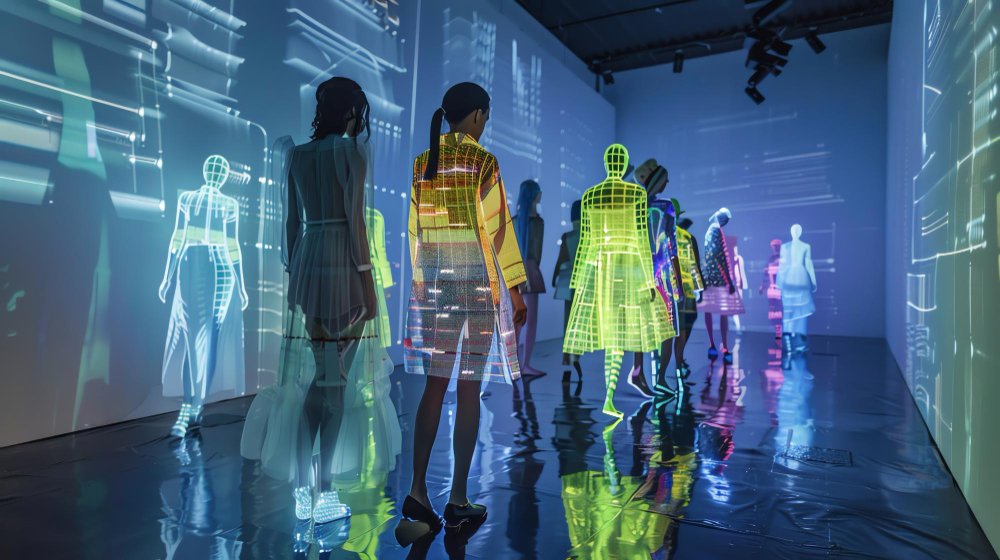
One underrated part of this entire movement is creative freedom. Designers aren’t restricted by fabric, gravity, or manufacturing limits. If someone wants a glowing jacket that changes color based on emotion data, it’s not science fiction anymore—it’s design software.
Related storyCloser Look at Lily Arkwright’s Lab‑Diamond Jewellery Collection
That freedom is attracting a new wave of creators who may never have entered traditional fashion industries. Artists, 3D designers, even gamers are now part of the fashion conversation. It’s messy, experimental, and honestly a bit chaotic—but that’s where innovation usually lives.
And because everything is editable in real time, trends move faster than traditional fashion cycles. What used to take months now evolves in days.
The Social Layer Nobody Talks About
Beyond design and branding, there’s a quieter shift happening in how people interact socially online. Avatars are becoming personal identities, not just placeholders. And what those avatars wear is starting to matter.
Related storyModern Royalty: The Allure of Princess Cut Lab Diamond Engagement Rings
It’s a strange feeling at first—caring about what your digital self wears in a virtual space. But once you realize that online presence is now a real extension of personality, it makes more sense. People already curate Instagram feeds and LinkedIn profiles. Digital fashion is just the next layer of that curation.
Where This All Might Be Headed
We’re still early. That phrase gets overused in tech, but in this case, it genuinely applies. The infrastructure for large-scale digital fashion ecosystems is still forming. Platforms are experimenting. Users are still exploring. And the rules are far from fixed.
But the direction is clear enough. Fashion is no longer limited to fabric and physical space. It’s becoming something more fluid—something that exists wherever identity needs to be expressed, whether that’s a street corner or a virtual world built from code.
In the end, digital fashion won’t replace traditional style. It will sit alongside it, expand it, and maybe even challenge what we consider “real” clothing altogether. And that shift, slow as it may be, is already underway.