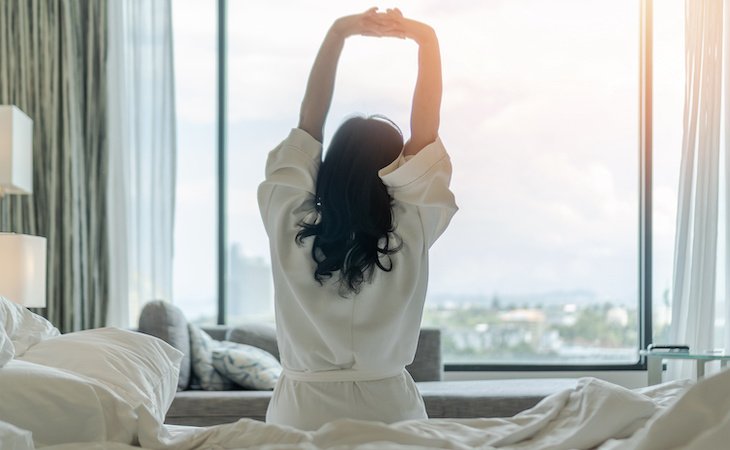
There’s something quietly ironic about modern travel. We book holidays to escape exhaustion, yet often return more tired than we left. Packed itineraries, early morning tours, late-night flights—somewhere along the way, rest stopped being part of the plan. And now, almost like a correction to that lifestyle, a new kind of travel trend is emerging: one that doesn’t revolve around sightseeing, but around sleeping well.
It sounds almost too simple, but that’s exactly the appeal.
When Travel Stops Being About Doing
Traditional tourism is built around movement. See more, do more, capture more. But sleep tourism flips that idea on its head. Instead of filling your day, it focuses on emptying it—of stress, noise, and overstimulation.
Luxury hotels, wellness resorts, and even boutique retreats are now designing entire experiences around rest. Think soundproof rooms, sleep consultants, curated pillow menus, calming light cycles, and even AI-driven sleep tracking. It’s not just a stay anymore—it’s a structured reset.
Related storyPlanning a Trip in the Age of AI: Helpful Companion or Overconfident Guide?
And honestly, in a world that rarely slows down, that idea feels surprisingly attractive.
Why Rest Has Become a Luxury Again
It’s a bit strange to say this, but sleep has become something people need to “optimize.” Between long working hours, screen exposure, and constant digital noise, quality rest isn’t as natural as it used to be.
That’s where this trend starts making sense.
Sleep tourism ka trend kya hai aur travelers isse kyun choose kar rahe hain? The simplest answer is burnout. People aren’t just looking for vacations anymore—they’re looking for recovery. Real, uninterrupted rest that doesn’t get interrupted by emails, notifications, or noisy city life.
In a way, sleep has shifted from being a basic need to a sought-after experience. Something you travel for, not just something that happens at night.
Related storyWhen Work Became Portable: How Remote Work Visas Are Redrawing the World Map
The Science Behind Better Sleep Travel
This trend isn’t just marketing fluff. There’s actual science behind it. Sleep quality is deeply influenced by environment—light exposure, temperature, noise levels, even mattress ergonomics.
Sleep-focused hotels are now using sleep data to design better rooms. Some use circadian lighting that mimics natural daylight cycles. Others adjust room temperature automatically during the night to match sleep phases. A few even offer pre-sleep meditation sessions or guided breathing routines.
It sounds almost clinical, but when done right, it feels deeply personal.
You’re not just staying in a room—you’re being gently guided into rest.
The Rise of “Rest as an Experience”
What’s interesting is how sleep tourism is changing the idea of luxury itself. For years, luxury meant excess—bigger rooms, more food, more activities. Now, it’s shifting toward less stimulation.
Silence is becoming valuable. Darkness is being curated. Even digital detox packages are becoming part of premium travel experiences.
And people are paying for it.
Not because they can’t sleep at home, but because they can’t sleep well at home.
Who Is Driving This Trend?
The demand is coming mostly from urban professionals. People working in fast-paced industries, digital jobs, or high-stress environments are the first to adopt this trend. But it’s slowly spreading beyond that.
Even younger travelers, especially Gen Z and millennials, are starting to prioritize mental wellness over packed itineraries. A vacation that leaves you rested is starting to feel more meaningful than one filled with constant activity.
And in a way, that reflects a bigger cultural shift—from productivity obsession to recovery awareness.
Beyond Hotels: A New Wellness Ecosystem
Sleep tourism isn’t limited to hotels anymore. Wellness retreats, mountain resorts, and even medical sleep clinics are entering the space. Some programs offer sleep coaching over multiple days, tracking sleep cycles and adjusting routines in real time.
There’s even experimentation with natural environments—forest stays, coastal retreats, and high-altitude sleep therapy—all designed to improve deep rest.
It’s a mix of hospitality, health science, and lifestyle design. A somewhat unusual combination, but it seems to work.
The Emotional Side of Sleep Travel
What doesn’t get talked about enough is the emotional layer of this trend. People aren’t just tired physically—they’re mentally overloaded.
Sleep tourism offers something that feels rare these days: permission to do nothing. No guilt, no schedule pressure, no productivity expectations. Just rest.
For many travelers, that alone is worth the trip.
There’s also something oddly healing about being in a space where rest is the main goal. It changes how you think about time. It slows everything down in a way everyday life rarely allows.
Challenges and Questions Ahead
Like any emerging trend, sleep tourism still has its limitations. It’s expensive. It’s niche. And it raises questions about accessibility—should good sleep really be a luxury experience?
There’s also the question of long-term effectiveness. Does a few nights of curated sleep actually change habits, or is it just a temporary reset before returning to old routines?
The industry is still figuring that out.
A Different Kind of Travel Future
If traditional tourism is about collecting experiences, sleep tourism is about collecting recovery. It’s less about where you go and more about how you feel while you’re there.
And maybe that’s what makes it quietly powerful.
Because in a world that constantly pushes people to move faster, a trend built entirely around slowing down doesn’t just feel refreshing—it feels necessary.
Sleep tourism ka trend kya hai aur travelers isse kyun choose kar rahe hain? It’s not just a travel category. It’s a reflection of modern exhaustion—and a reminder that sometimes, the most valuable thing you can do on a trip is simply sleep well.