Most people don’t wake up thinking about the minerals in their water. They think about coffee, school lunches, getting to work on time, maybe the pile of laundry that somehow grew overnight. Water is just there, running from the tap like it always has. But then you notice the little things. The shower glass looks cloudy again. Your skin feels tight after bathing. The kettle has a white crust around the base. Towels feel rough, even after using fabric softener.
That’s usually when hard water starts becoming less of a technical issue and more of a daily annoyance.
Hard water is common in many homes, and it isn’t always dangerous. In fact, it often looks perfectly clear. But the minerals inside it can affect comfort, cleaning, appliances, and even the way your home feels over time. It’s one of those problems that works quietly in the background until you finally start connecting the dots.
Related storyWhy Hard Water Leaves More Than Just Spots Behind
What Makes Water “Hard” Anyway?
Hard water contains higher levels of calcium and magnesium, two naturally occurring minerals that water picks up as it moves through rock, soil, and underground sources. These minerals are not unusual, and many water supplies contain some amount of them. The trouble begins when levels are high enough to leave deposits behind.
That white, chalky build-up around faucets, showerheads, and appliances is called limescale. It may not seem like a big deal at first, but over time it can become stubborn. It clings to surfaces, narrows plumbing lines, reduces appliance efficiency, and makes cleaning feel like a never-ending job.
Even soap behaves differently in hard water. Instead of lathering easily, it can react with minerals and leave behind a film. That film may sit on dishes, bathroom tiles, clothing, and skin. So yes, sometimes the reason your soap feels like it isn’t working properly is not the soap at all.
The Shower Is Where Many People Notice It First
There’s something personal about water quality when it affects your shower. Hard water can leave skin feeling dry or slightly irritated because soap residue does not rinse away as cleanly. Hair may feel dull, heavy, or harder to manage. Some people keep switching shampoos, conditioners, or body washes without realizing the water itself may be part of the problem.
Related storyWhy Hard Water Leaves a Mark on Everyday Life
Softened water can make bathing feel noticeably different. It rinses more smoothly, helps soap lather better, and often leaves less residue behind. For many households, the result is softer skin & healthier hair, not because the water is magical, but because it is no longer fighting against everyday personal care products.
It’s a small kind of comfort, but people notice it. Especially in the morning, when you just want to feel clean and ready for the day.
Appliances Work Better When Scale Isn’t Building Up
Hard water does not only affect what you see on the outside. It can also create scale inside water heaters, dishwashers, washing machines, coffee makers, and plumbing fixtures. This build-up may reduce performance and force appliances to work harder than they should.
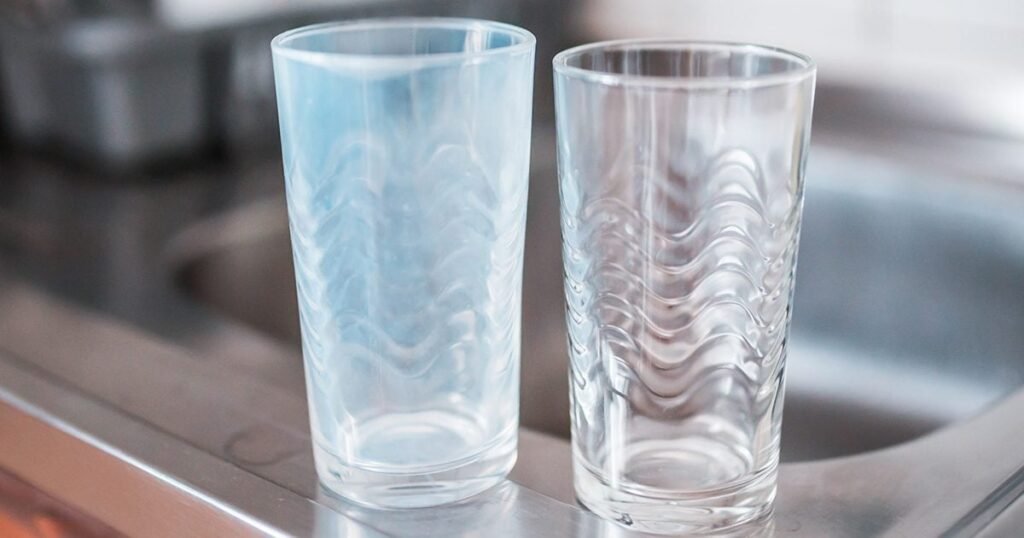
A water heater, for example, can become less efficient when mineral deposits settle inside the tank or heating elements. Dishwashers may leave spots on glassware. Washing machines may require more detergent. Coffee machines may need frequent descaling. None of these problems always happen overnight, but they build slowly, which is exactly why many homeowners miss them until repair costs show up.
Related storyWhen Hard Water Becomes a Daily Problem, the Right Solution Matters
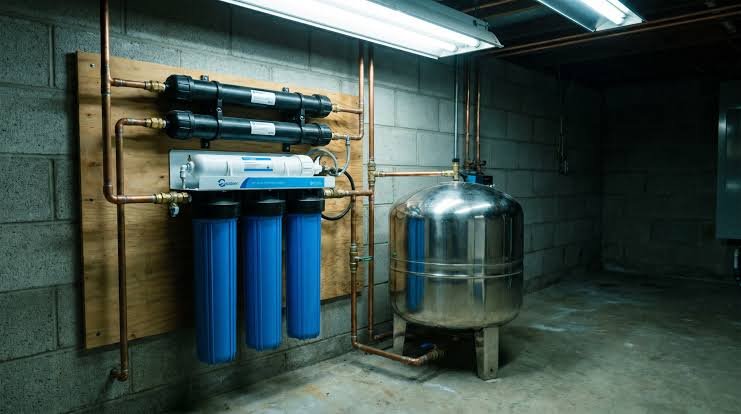
That’s where high-performance water softeners can make a practical difference. A good system helps reduce hardness minerals before they move through the home, protecting appliances, improving water feel, and making daily cleaning easier. It’s not just about luxury. It’s about reducing the small stresses hard water creates every single day.
Cleaning Becomes Less of a Battle
Anyone who has scrubbed hard water stains from a shower door knows how frustrating it can be. You clean it, it looks fine for a day or two, then the cloudy marks return like they own the place. Faucets lose their shine. Tiles get a dull film. Toilets may show mineral rings. Even laundry can feel less fresh.
Soft water does not eliminate the need for cleaning, obviously. No system can do that. But it can make cleaning feel less repetitive. Surfaces stay clearer for longer, soap rinses away more easily, and you may not need as much detergent or cleaning product to get the same result.
There’s a quiet satisfaction in that. Not dramatic, just easier.
Choosing the Right Solution for Your Home
Not every home needs the same water treatment setup. The right choice depends on your water test results, household size, plumbing, appliances, and personal preferences. Some families mainly want better bathing water. Others care more about protecting expensive appliances or reducing scale across the entire home.
Related storyChoosing the Right Water Treatment Installation: Why a Thoughtful Setup Makes All the Difference
Before choosing a system, it helps to test the water properly. Guessing can lead to buying equipment that is too small, too large, or not suited to the actual issue. A professional water assessment can show hardness levels and help match the right system to the home.
Maintenance matters too. Salt levels, system settings, and regular checks all help keep a softener working efficiently. Like most home systems, it performs best when it is looked after.
A Small Upgrade That Changes Daily Living
Soft water is not something guests always notice when they walk through the door. It doesn’t sit in the middle of the room like new furniture or a renovated kitchen. But the people living in the house feel it.
Related storyWhen Water Flow Slows Down, Your Home May Be Sending a Warning
They feel it in the shower. They see it on the glassware. They notice it when towels feel better, appliances run smoother, and faucets don’t collect chalky deposits so quickly.
In the end, improving water quality is really about improving daily comfort. Hard water may be common, but that does not mean you have to live with all its little frustrations forever. With the right softening solution, your home can feel cleaner, easier to maintain, and just a bit more pleasant in the everyday moments that matter.