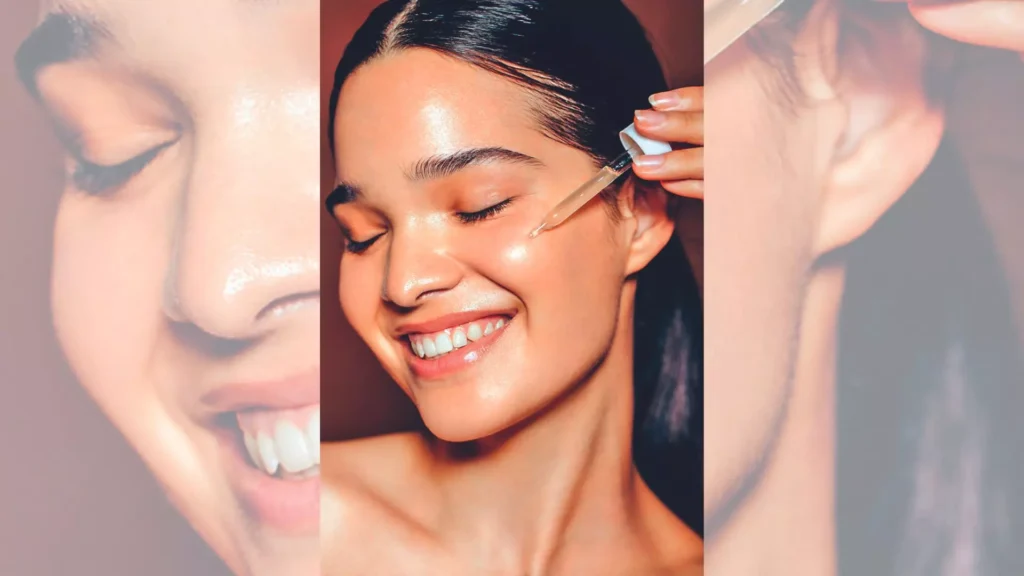
There’s a quiet rebellion happening in the beauty world right now. After years of layering serums, acids, toners, and creams — sometimes all in one routine — people are starting to pause. Not quit skincare entirely, but step back. Simplify. Breathe a little.
It’s called skin fasting, and at first glance, it sounds almost counterintuitive. We’ve been told forever that more care equals better skin. So why are people willingly doing less?
The Idea Behind Doing Nothing (Or Almost Nothing)
Skin fasting, in simple terms, is the practice of reducing or completely stopping the use of skincare products for a certain period. The goal isn’t laziness — it’s reset.
Related storyBeauty Without the Water: A Trend That Feels Thoughtful… or Just Clever Marketing?
The theory suggests that when we constantly feed our skin with products, especially active ingredients, it can become dependent or even overwhelmed. By stepping back, the skin gets a chance to regulate itself — oil production, hydration balance, even sensitivity.
It’s kind of like hitting pause on a noisy playlist. Suddenly, you can hear what’s actually going on.
Skin fasting trend kya hai aur kya yeh actually beneficial hai?
This is the question that keeps popping up everywhere — from social media reels to dermatology forums. And the answer isn’t a simple yes or no.
Related storyWhen Your Skincare Routine Starts Talking Back: The Rise of AI Skin Scanners
For some people, especially those with overworked skin (think redness, breakouts from too many actives), skin fasting can feel like relief. The skin calms down, irritation reduces, and natural balance starts to return.
But here’s the catch — not all skin types react the same way. Someone with dry or compromised skin barriers might actually need consistent hydration and support. Completely stopping products could make things worse, not better.
So, the “benefit” really depends on context. Your skin isn’t a one-size-fits-all situation.
Why the Trend Took Off
Part of the appeal is honestly fatigue. Skincare has become… complicated. Ten-step routines, conflicting advice, endless product launches — it can get exhausting.
Skin fasting offers a break from that chaos. It feels minimal, almost grounding. There’s also a psychological shift — trusting your skin instead of constantly trying to fix it.
And let’s not ignore the influence of social media. Minimalism, clean beauty, “less is more” — these ideas resonate strongly today. Skin fasting fits neatly into that narrative.
What Actually Happens to Your Skin?
This is where things get interesting.
When you stop using products, your skin doesn’t suddenly shut down. It keeps functioning — producing oil, shedding dead cells, maintaining its barrier. In some cases, it adapts quite well.
For oily skin types, reduced product use might even decrease breakouts if the routine was previously clogging pores. On the flip side, people who rely on exfoliants or treatments for conditions like acne or pigmentation may notice those issues creeping back.
There’s also an adjustment phase. Skin might feel rough, slightly dull, or even break out initially. That doesn’t necessarily mean it’s failing — sometimes it’s just recalibrating.
Still, it requires patience. And a bit of intuition.
Is Skin Fasting the Same as Neglect?
Not really. And this is where many people misunderstand the concept.
Skin fasting doesn’t mean ignoring hygiene or basic care. Cleansing (even gently), staying hydrated, and protecting your skin from the sun still matter. In fact, skipping sunscreen entirely during a “fast” could do more harm than good.
It’s less about abandoning skincare and more about removing excess — unnecessary layers, overly aggressive treatments, or products that don’t serve a clear purpose.
Think of it as editing your routine, not deleting it completely.
A Balanced Way to Approach It
If you’re curious about trying skin fasting, going cold turkey might not be the smartest move. A gradual approach often works better.
Start by cutting down your routine. Maybe remove actives for a few days. Stick to a gentle cleanser, a basic moisturizer, and sunscreen. Observe how your skin responds.
You don’t need to follow strict timelines either. Some people do it for a weekend, others for a week or longer. There’s no rulebook — and honestly, that’s part of its appeal.
Listening to your skin becomes the main skill here.
When It Might Not Be a Good Idea
Skin fasting isn’t ideal for everyone. If you’re dealing with medical skin conditions — like eczema, rosacea, or severe acne — stopping prescribed treatments can backfire.
Also, if your skin barrier is already damaged, removing supportive products might delay healing rather than help it.
In such cases, a dermatologist’s guidance matters more than trends. Always.
Final Thoughts
Skin fasting feels like a quiet reset button in a world that constantly pushes more — more products, more steps, more perfection. It invites you to trust your skin a little, to step back and observe instead of react.
But it’s not a miracle solution. It’s a tool. And like any tool, it works best when used thoughtfully.
Maybe the real takeaway isn’t about fasting at all. It’s about understanding what your skin truly needs — and having the confidence to do just that, even if it means doing less.