There’s something oddly comforting about the idea of a car that takes care of itself. Not in a sci-fi, over-the-top way — but in small, practical ways. Like tyres that don’t panic at the sight of a nail. Sounds futuristic, sure, but it’s already closer than most people think.
We’ve spent decades improving engines, fuel efficiency, and now even electrification. But tyres? They’ve quietly stayed in the background — doing their job, rarely getting the spotlight. That might be about to change.
The Subtle Evolution of Tyres
Tyres today aren’t what they used to be. Even if they look similar on the outside, the materials, design, and internal tech have evolved quite a bit. From better grip compounds to improved durability, manufacturers have been pushing limits — just not loudly.
Related storyWhy EV Charging Is Starting to Feel Like a Subscription Service (And What That Means for India)
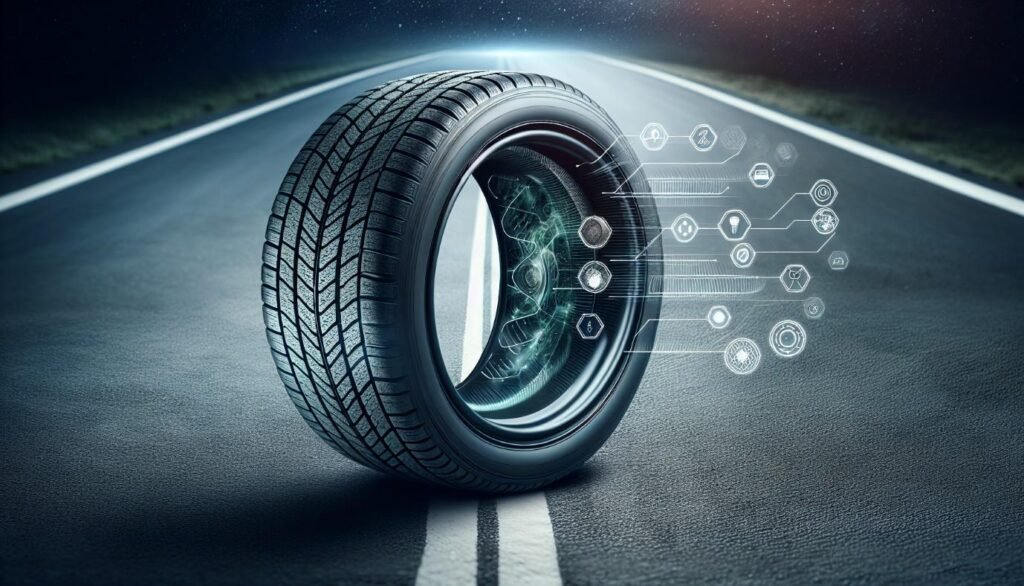
Now, with the rise of connected cars and smart systems, tyres are stepping into a new role. They’re no longer just rubber meeting the road. They’re becoming data points. Sensors. Problem-solvers.
And somewhere in that evolution sits the idea of self-healing tyres — a concept that feels almost too good to be real.
What Does “Self-Healing” Actually Mean?
At its core, a self-healing tyre is designed to repair minor damages on its own — without requiring immediate human intervention. Think small punctures, tiny cracks, or surface wear. Instead of slowly leaking air and leaving you stranded, the tyre reacts instantly.
Related storyTalking to Your Car: Convenience, Curiosity, and a Bit of Caution
This is made possible through special materials — often polymers or sealant layers — that activate when damage occurs. The moment a puncture happens, the material flows into the gap and seals it. No drama, no roadside chaos.
It’s not magic. It’s chemistry and engineering working quietly in the background.
Smart tire technology ka future: self-healing tyres ka concept kya hai?
If you look at where the automotive industry is heading, the focus is clearly shifting toward automation, safety, and convenience. Self-healing tyres fit perfectly into that vision. They reduce dependency on manual checks, lower the risk of sudden breakdowns, and improve overall driving confidence.
But more than that, they change the relationship between driver and vehicle. You don’t have to constantly worry about tyre pressure drops or hidden damage. The system handles it — or at least buys you enough time to act without panic.
It’s a small shift, but one that adds up over time, especially for daily drivers or long-distance travelers.
Real-World Benefits (Not Just Hype)
Let’s be honest — a lot of “future tech” sounds exciting but rarely impacts everyday users. Self-healing tyres, though, feel different.
For one, they can significantly reduce maintenance costs. Fewer puncture repairs, fewer replacements. Over time, that matters.
Then there’s safety. A slow puncture on a highway isn’t just inconvenient — it’s risky. If a tyre can manage that damage instantly, it reduces the chances of accidents or sudden loss of control.
Also, consider the environmental angle. Longer-lasting tyres mean less waste. Fewer discarded tyres piling up in landfills. It’s not a complete solution, but it’s a step in the right direction.
Are There Any Limitations?
Of course, it’s not perfect. At least not yet.
Self-healing tyres are mostly effective for small punctures — like nails or sharp debris. Larger damages or sidewall cuts still require traditional repair or replacement. So, it’s not a “never worry again” solution, more like a “worry less often” one.
Cost is another factor. Advanced materials and embedded technologies don’t come cheap. Right now, these tyres are more likely to appear in premium vehicles before becoming mainstream.
But that’s usually how innovation works. What’s expensive today becomes standard tomorrow.
The Role of Smart Integration
What makes this technology even more interesting is how it connects with broader vehicle systems. Imagine tyres that not only heal themselves but also communicate with your car’s onboard system.
They could alert you about road conditions, wear patterns, or even suggest when it’s time for a replacement — all in real time. Combine that with AI-driven diagnostics, and tyres become an active part of the driving ecosystem.
Not just passive components.
A Glimpse Into the Near Future
It’s easy to imagine a future where flat tyres are no longer a common roadside issue. Where cars quietly manage minor problems without interrupting your journey. Where maintenance becomes predictive instead of reactive.
Self-healing tyres won’t solve everything overnight. But they represent a shift — from reactive fixes to proactive design.
And honestly, that’s what makes them exciting.
Final Thoughts
Technology doesn’t always need to be flashy to be meaningful. Sometimes, it’s the quiet innovations — the ones you barely notice — that make the biggest difference.
Self-healing tyres fall into that category. They’re not about luxury or status. They’re about peace of mind. About removing one small worry from the long list that comes with driving.
And maybe, just maybe, that’s exactly the kind of progress we need more of.