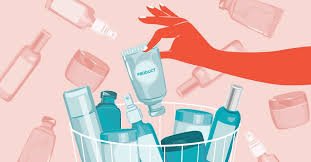
Walk into any modern skincare aisle—or scroll through your Instagram feed—and you’ll notice something interesting. Products that once came in bulky bottles are now showing up as powders, bars, or tiny concentrated drops. No water. Less packaging. Cleaner branding. It almost feels like beauty is going through a quiet reset.
At first glance, it sounds like a win for sustainability. But like most trends that gain momentum quickly, it’s worth pausing for a second and asking—what’s really going on here?
What “Waterless” Actually Means
The term “waterless beauty” can be a bit misleading. It doesn’t necessarily mean the product contains zero water. Sometimes it simply means water isn’t the primary ingredient, or it’s been removed during formulation and added later during use.
Related storyWhen Less Becomes More: Rethinking Skincare Through the Skin Fasting Trend
Think of powder cleansers you activate with a splash of water, or solid shampoo bars that lather once you’re in the shower. Even certain serums are now highly concentrated, skipping the diluted base entirely.
The idea behind all of this? Reduce water usage during production and shipping, while giving consumers a more potent product.
Sounds reasonable. Maybe even smart.
The Sustainability Angle
Here’s where things get interesting. Waterless beauty is often marketed as eco-friendly—and in many ways, it can be.
Related storyWhen Your Skincare Routine Starts Talking Back: The Rise of AI Skin Scanners
Shipping lighter products reduces carbon emissions. Less water in formulations often means fewer preservatives are needed. Packaging tends to be minimal, sometimes even plastic-free. All of that adds up.
And in a world where water scarcity is becoming a real concern, especially in countries like India, the concept naturally resonates.
But sustainability isn’t just about one factor. It’s a bigger picture.
Where the Doubts Begin
If you look a little closer, the story isn’t always as clean as it seems.
Some waterless products require more energy during manufacturing. Others rely on ingredients that are sourced unsustainably. And while packaging may look minimal, it’s not always recyclable or responsibly produced.
Plus, there’s the question of accessibility. Waterless products often come with a higher price tag. So while they may appeal to eco-conscious consumers, they’re not always practical for everyday use.
That’s when you start wondering whether this is a genuine shift—or just a well-packaged idea.
The Consumer Experience
Let’s move away from theory for a second and talk about real-life use.
Waterless products can feel… different. Powder cleansers, for example, take a bit of getting used to. You have to measure, mix, and sometimes deal with inconsistent textures. It’s not as effortless as squeezing a gel from a tube.
Shampoo bars? Great for travel, yes. But they don’t always suit every hair type. Some people swear by them, others quietly switch back after a few weeks.
There’s a subtle learning curve here, and not everyone enjoys it.
Still, there’s something satisfying about using less. About simplifying routines. About feeling like your choices—small as they may be—are contributing to something bigger.
Industry Shift or Passing Phase?
Trends in the beauty industry come and go. We’ve seen it before—charcoal masks, sheet masks, glass skin routines. Some stay, most fade.
So where does waterless beauty stand?
Waterless beauty products ka trend sustainable hai ya sirf hype? Honestly, it sits somewhere in the middle. It’s not just hype, because there are real benefits and genuine innovation happening. But it’s also not a complete solution to sustainability challenges.
Brands are experimenting. Consumers are exploring. The industry is testing the waters—ironically, by removing water.
That in itself says something.
A More Balanced Perspective
Maybe the smarter way to look at waterless beauty isn’t as a replacement, but as an addition.
For travel, for minimalists, for those trying to reduce waste—it makes sense. For others, traditional products might still feel more convenient and reliable.
And that’s okay.
Sustainability doesn’t have to be all-or-nothing. It can be gradual, imperfect, and personal.
Choosing a shampoo bar once in a while, or switching to a powder cleanser for specific needs—that still counts.
Final Thoughts
There’s something refreshing about this trend. Not just because it’s innovative, but because it makes people think. About water. About waste. About what really matters in a product.
But like any trend, it shouldn’t be followed blindly.
Take what works for you. Question what doesn’t. And don’t let clever marketing decide your routine.
Because in the end, beauty isn’t just about looking good—it’s about feeling comfortable with the choices you make, even the small, everyday ones.