There’s a strange moment happening in the digital world right now. You record a video once, feed it into a system, and suddenly “you” can speak in ten languages, appear in ten meetings, or greet thousands of customers—all without you physically doing anything again.
It sounds futuristic, a bit unsettling, and honestly… kind of fascinating.
We’re talking about digital clones, or AI avatars, and they’re quietly slipping into both business and personal branding in ways most people haven’t fully processed yet.
The Idea of a “You” That Doesn’t Sleep
At first, digital clones feel like a gimmick. A polished video version of yourself that answers FAQs or delivers scripted messages. But the tech has moved quickly—faster than most people expected.
Related storyAmbient Computing: When Technology Quietly Starts Thinking Around You
Now, these avatars can mimic tone, facial expressions, even conversational style. In some cases, they can respond in real time using AI-generated speech.
And suddenly, the idea of being “present” online becomes optional.
You don’t always have to show up. Your digital version can handle it.
That shift is… weirdly powerful.
How Businesses Are Using Digital Clones
Brands were quick to notice the potential. Instead of hiring multiple spokespersons or recording repetitive videos, they can now create a consistent AI avatar that represents the brand 24/7.
Think customer support videos, product explanations, onboarding tutorials—all delivered by a digital face that never gets tired.
Related storyWhen Intelligence Moves Closer to the Edge: The Quiet Battle Between Edge AI and Cloud AI
It’s efficient, scalable, and surprisingly human-looking when done well.
And in a world where attention spans are shrinking, that consistency matters.
Personal Branding Just Got a New Layer
Influencers, coaches, consultants, and even freelancers are experimenting with this technology too.
Instead of constantly recording new content, they create a digital version of themselves that can answer basic questions, deliver standard advice, or greet new audiences.
This doesn’t replace the real person—but it extends their presence.
And that’s where things get interesting.
Because suddenly, your brand isn’t limited by your time.
The “Always-On” Identity Problem
But there’s a flip side.
When your digital clone is always active, always speaking, always representing you… where does the real “you” end and the automated version begin?
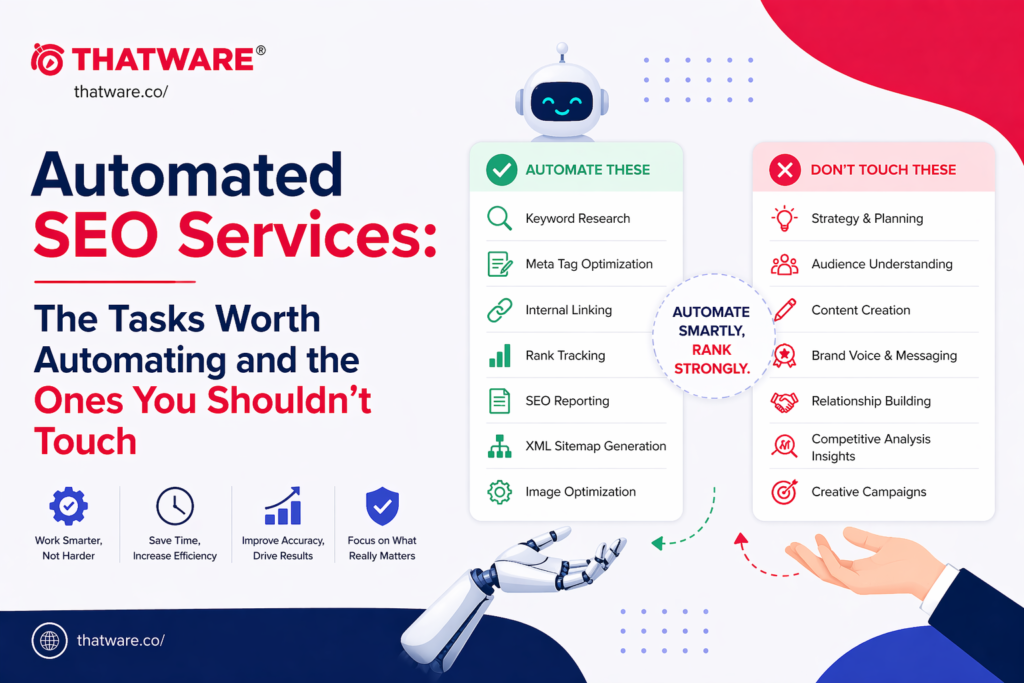
Related storyAutomated SEO Services: The Tasks Worth Automating and the Ones You Shouldn’t Touch
It’s not just a technical question—it’s an identity one.
Some creators worry about losing authenticity. Others see it as evolution. A way to scale personality without burning out.
Both perspectives make sense, honestly.
Marketing Efficiency Meets Human Curiosity
From a business point of view, the appeal is obvious. One well-trained AI avatar can replace hours of repetitive communication.
Customer queries, brand messaging, even sales introductions can be automated without feeling completely robotic.
But there’s still a psychological layer to it. People tend to trust faces. They respond better to something that feels human, even if they know it’s artificial.
That’s where digital clones sit—in this uncomfortable but effective middle space between machine and human.
The Creative Possibilities Are Expanding Fast
What’s really interesting is how creators are starting to experiment with storytelling using their digital selves.
Imagine a YouTuber creating multiple versions of themselves for different content styles. Or a business founder appearing in ten different marketing videos simultaneously, each tailored to a specific audience.
This isn’t science fiction anymore. It’s already happening in early forms.
And it’s changing how content is produced, not just distributed.
Trust, Transparency, and a Slightly Blurry Line
Of course, not everything about this shift is smooth.
People want to know when they’re interacting with a real human versus an AI-generated version. Transparency becomes important—sometimes even legally necessary in certain contexts.
There’s also the question of trust. If a digital clone says something controversial or incorrect, who is responsible? The system? The creator? The brand?
These aren’t fully answered yet.
Why This Feels Different From Previous Tech Waves
We’ve seen automation before. Chatbots, virtual assistants, automated emails—they all promised efficiency.
But digital clones feel more personal because they mimic identity, not just function.
It’s not just a tool anymore. It feels like a representation of a person.
And that changes how people react to it.
Business Value vs Emotional Complexity
Digital clones (AI avatars) ka use business aur personal branding me kaise ho raha hai? It is being used to scale communication, maintain brand presence, and automate repetitive interactions while allowing individuals and businesses to extend their identity beyond physical limitations.
But alongside that efficiency comes emotional complexity—how much of yourself should you automate before it stops feeling like you?
There’s no fixed answer yet. Just experimentation.
The Fear and the Fascination
Like most emerging technologies, digital clones sit in a strange emotional space.
Some people are excited about the freedom it offers. Others are cautious, even uneasy. The idea that your “face” can exist independently online naturally raises questions about control and authenticity.
And both reactions are valid.
Because this isn’t just about convenience—it’s about representation.
What This Might Look Like in a Few Years
If current trends continue, we might reach a point where having a digital clone is as normal as having a social media profile.
Businesses will use them for communication. Individuals will use them for branding. And audiences will slowly adjust to interacting with AI versions of real people without thinking too much about it.
It won’t feel futuristic anymore. It’ll just feel… standard.
A Thought to Leave You With
The idea of a “digital you” existing independently online is both exciting and slightly uncomfortable.
It offers scale, reach, and efficiency—but also raises quiet questions about identity and presence.
Maybe the real challenge isn’t building these clones.
Maybe it’s deciding how much of ourselves we actually want to outsource.