Hard water has a way of turning ordinary home care into a quiet little battle. You wipe the faucet, and the white film comes back. You clean the shower glass, and spots appear again after a few uses. You wash towels, but they still feel a bit stiff. It’s not exactly a disaster, but it is annoying — and it keeps repeating.
Most people do not think about water hardness until they start noticing these small clues. The problem is not always the cleaner, the soap, the dishwasher, or the laundry detergent. Sometimes, it is simply the minerals in the water doing what minerals do.
Soft water can make a noticeable difference, not in a flashy way, but in the rhythm of daily life.
Related storyWhy Hard Water Leaves More Than Just Spots Behind
Why Hard Water Leaves Its Mark
Hard water usually contains higher levels of calcium and magnesium. These minerals are naturally picked up as water moves through soil, rock, and underground sources. They are common, but once they enter a home, they can leave buildup behind.
That buildup often appears as white scale around faucets, cloudy shower doors, spots on glasses, and residue in sinks. Over time, it can make surfaces harder to clean and fixtures look older than they really are.
A properly chosen softening system can help protect fixtures by reducing the minerals that create stubborn scale and residue. It does not remove the need for cleaning completely, but it can make cleaning feel less like a never-ending chore.
The Hidden Stress on Water Heating Systems
Hard water does not only leave marks where you can see them. It can also collect inside appliances, especially equipment that heats water. When hard water is heated, minerals can settle and form scale. That scale may build up inside tanks, heating elements, and pipes over time.
Related storyWhen Water Flow Slows Down, Your Home May Be Sending a Warning
This matters for hot-water equipment because scale can make systems work harder than they should. A water heater may take longer to heat, use more energy, or lose efficiency as buildup collects inside. Dishwashers and washing machines can also feel the effects, especially in homes with heavy water use.
Softening the water helps reduce that mineral load before it reaches the equipment. It is one of those behind-the-scenes improvements that may not be exciting, but it makes practical sense.
Showers Should Feel Clean, Not Drying
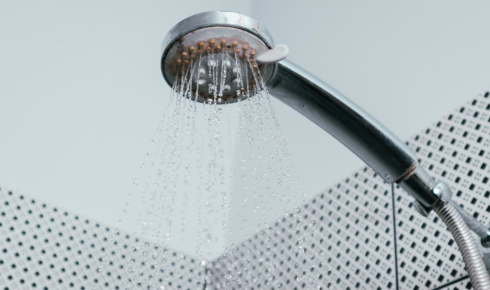
One of the most personal signs of hard water shows up in the shower. Soap may not lather well. Shampoo can feel harder to rinse. Skin may feel tight or dry afterward. Hair can feel dull or heavy even after washing.
Many homeowners notice softer-feeling showers after switching to softened water. Soap spreads more easily, rinsing feels smoother, and the water often feels less harsh on skin and hair. It’s a simple comfort, but it’s one people tend to appreciate quickly.
A better shower does not sound like a big home upgrade until you experience it every morning.
Related storyWhy Hard Water Leaves a Mark on Everyday Life
Laundry Feels the Difference Too
Hard water can make laundry less satisfying. Towels may come out rough. Clothes can feel stiff. Detergent may not perform as well because minerals interfere with the way soap works. Some households compensate by using more detergent, but that can create its own problems.
Softened water helps detergent work more effectively. Clothes may rinse cleaner, towels may feel softer, and fabrics may hold up better over time. For families doing several loads a week, that difference can add up fast.
It is not just about comfort. It is about making everyday tasks work the way they should.
Dishes, Glasses, and the Never-Ending Spot Problem
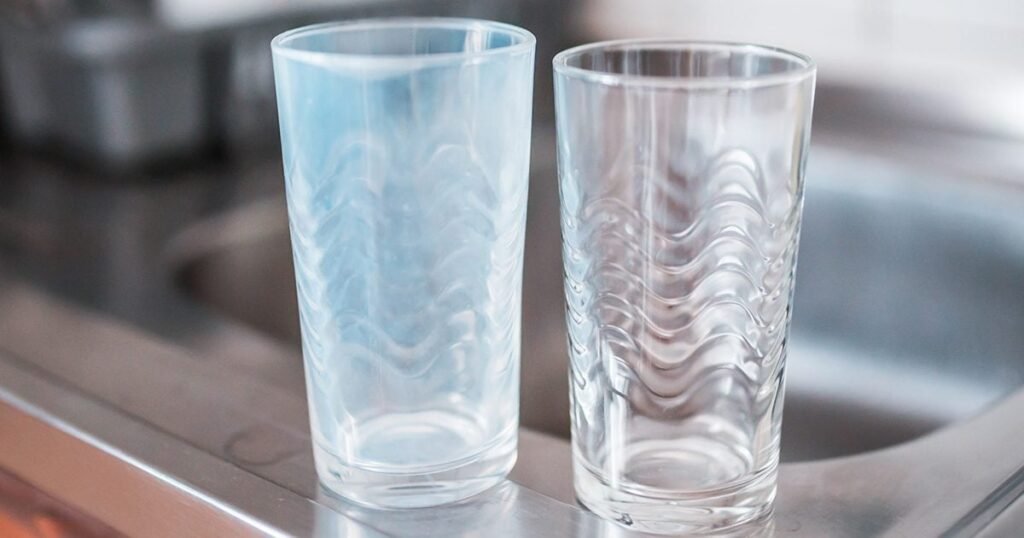
If your dishwasher leaves spots on glasses, hard water may be part of the reason. Minerals can dry on dishes and glassware, leaving cloudy marks even after a full wash cycle. This can make clean dishes look dirty, which is probably one of the more frustrating household tricks water can play.
Related storyWhen Hard Water Becomes a Daily Problem, the Right Solution Matters
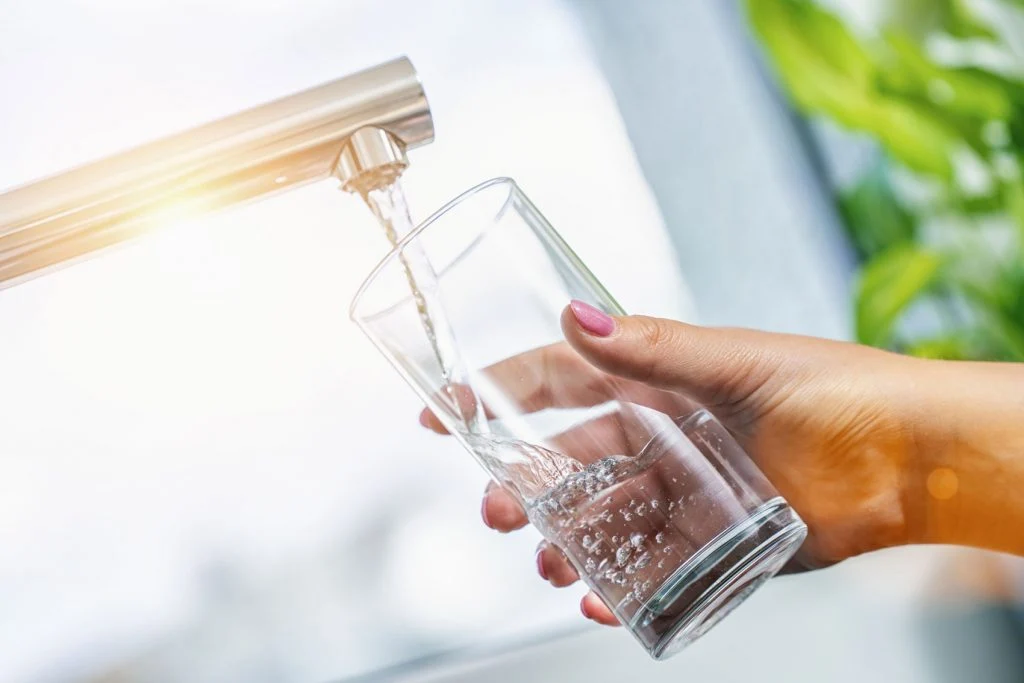
Softened water can reduce those mineral deposits. Glasses may come out clearer, dishes may look cleaner, and the dishwasher may perform better overall.
Again, it is not magic. Proper detergent, rinse aid, and dishwasher maintenance still matter. But water quality is a big part of the final result.
Softening and Filtration Are Different Jobs
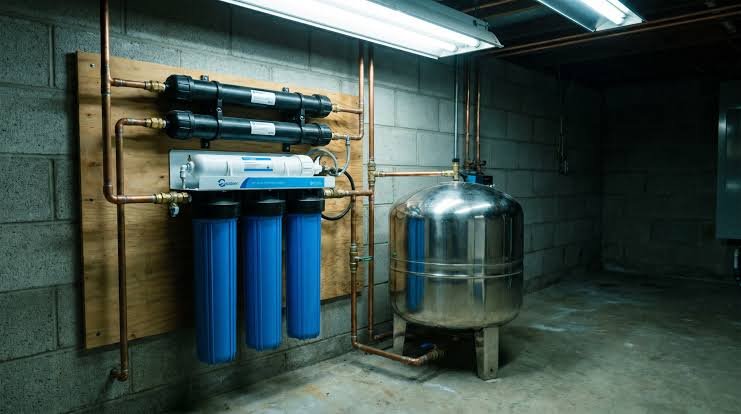
A water softener is mainly designed to deal with hardness minerals. It is not the same as a filter for taste, odor, or contaminants. That distinction is important.
Related storyWhy Hard Water Affects More Than Your Plumbing: What Every Homeowner Should Know
If the water smells like chlorine or tastes unpleasant, filtration may also be needed. If the main issue is scale, soap performance, dry-feeling skin, and spots, softening is usually the conversation to start with.
Many homes benefit from both systems working together. The right setup depends on testing the water and understanding what problems the homeowner actually wants to solve.
Testing Helps Avoid Guessing
Hard water levels can vary by area, neighborhood, and water source. One home may have mild hardness, while another may struggle with heavy buildup. Guessing based only on spots or dry skin can lead to the wrong solution or the wrong system size.
A water test gives a clearer starting point. It helps identify hardness levels and can also reveal other issues that may need attention. From there, a professional can recommend a system that fits the household size, water use, and plumbing setup.
The best water treatment plan is based on real information, not assumptions.
Maintenance Should Stay Simple
Salt-based softeners need regular salt checks. The system may also need occasional service to make sure settings, valves, and regeneration cycles are working correctly. If the salt runs low or a bridge forms in the tank, the home may start feeling hard water effects again.
This is why clear maintenance guidance matters. Homeowners should know how often to check salt, what type to use, and when to call for service.
A good softener should make life easier, not confusing.
Final Thoughts
Hard water can make a home feel harder to care for than it needs to be. It affects fixtures, showers, laundry, dishes, appliances, and the small routines that happen every day.
Softened water helps reduce the minerals behind many of these problems. The result is a home that feels cleaner, smoother, and easier to maintain.
The best place to begin is with a water test, followed by clear advice and a system sized for the home’s real needs. When it is done right, soft water is not something you have to think about constantly. You just notice that things work better.