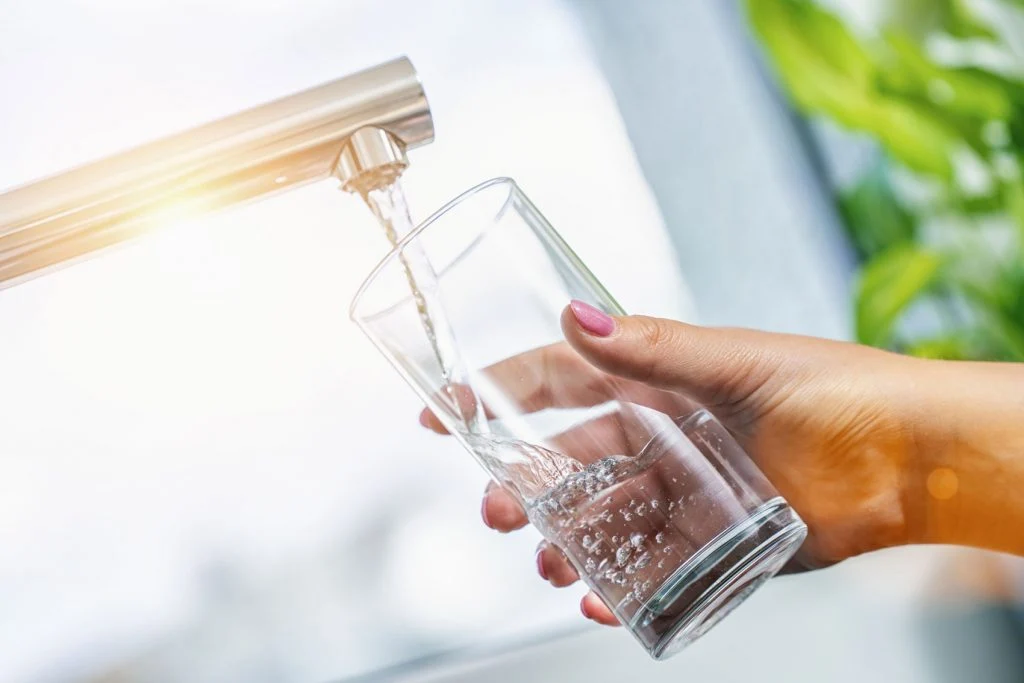
Most people don’t spend much time thinking about water until something feels off. Maybe there’s an unusual odor when you turn on the tap. Maybe your drinking water suddenly tastes different, or perhaps the water in your glass looks a little hazy. These small changes often raise questions, and honestly, they should.
Water plays a role in nearly every part of daily life. We drink it, cook with it, bathe in it, and use it to clean our homes. When its quality changes, even slightly, it can affect comfort, confidence, and peace of mind. The good news is that many common water issues have understandable causes and, in many cases, practical solutions.
Why Water Quality Can Change
Water travels through a long journey before reaching your home. Along the way, it passes through treatment facilities, distribution systems, storage tanks, and plumbing networks. Each stage can influence the final quality of the water coming from your faucet.
Related storyWhy Investing in Drinking Water Filtration Can Transform Everyday Life at Home
Seasonal changes, municipal treatment adjustments, aging pipes, or even weather events can alter the characteristics of household water. Sometimes the changes are harmless but noticeable. Other times, they may indicate a need for further investigation.
Many homeowners assume that all water problems are serious. In reality, some are relatively minor and can be addressed with proper filtration or maintenance. The key is understanding what your water is trying to tell you.
The Mystery Behind Unpleasant Odors
One of the most common complaints homeowners have is smelly water. It can be surprising to turn on the tap and notice a sulfur-like odor, a musty scent, or another unusual smell.
In some cases, naturally occurring bacteria interacting with minerals can create odors. Water heaters may also contribute to certain smells, especially if sediment has accumulated over time. Even plumbing materials can occasionally affect water odor.
Related storyWhy Better Water at Home Can Transform Everyday Living
While unpleasant smells don’t automatically mean water is unsafe, they are worth investigating. Identifying the source is the first step toward restoring confidence in your household water supply.
Taste Matters More Than We Think
Water should be refreshing. When it develops a noticeable flavor, people often become concerned.
A common complaint is a chlorine taste in drinking water. Municipal water systems frequently use chlorine as a disinfectant to help protect public health. While this process is effective, some individuals are particularly sensitive to the taste and smell that chlorine can leave behind.
Interestingly, taste perception varies widely. What one person barely notices, another may find overwhelming. This is one reason why water filtration systems have become increasingly popular among homeowners looking to improve the drinking experience without relying on bottled water.
Related storyThe Everyday Water Problems Homeowners Shouldn’t Ignore
Understanding Water Appearance
Visual changes in water can be alarming. If water suddenly appears hazy or discolored, it naturally raises concerns.
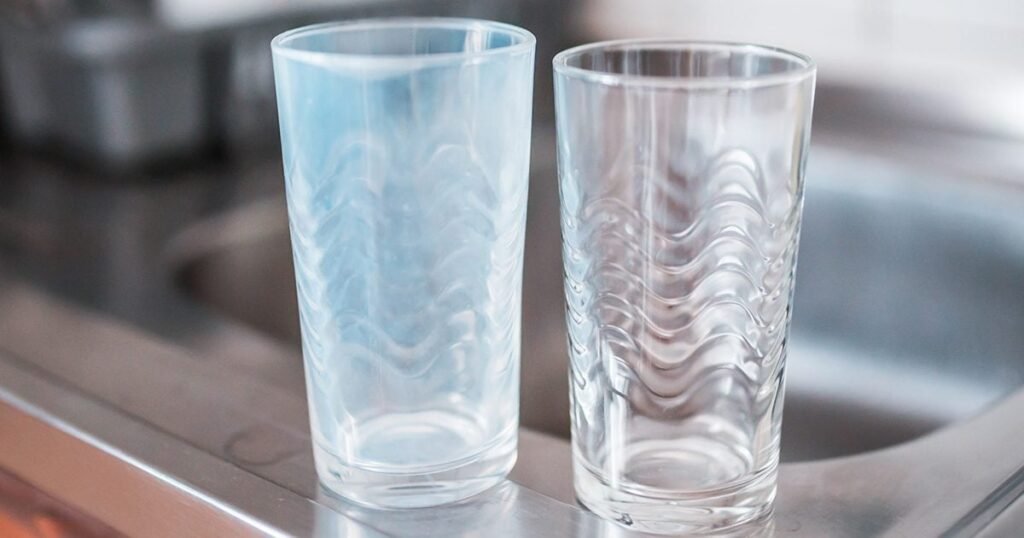
One issue homeowners encounter is cloudy water. In many situations, cloudy water is caused by tiny air bubbles trapped in the water supply. If the cloudiness clears from the bottom of a glass upward after a few minutes, air is often the culprit.
However, cloudiness can sometimes result from sediment, mineral content, or plumbing-related issues. Observing whether the condition is temporary or persistent can provide valuable clues about its cause.
When appearance changes continue over time, professional water testing can help determine whether additional treatment may be beneficial.
Related storyA Closer Look at Whole-Home Reverse Osmosis and Smarter Water Treatment
The Role of Household Plumbing
Water quality isn’t always determined by the water source itself. Sometimes the issue originates inside the home.
Older plumbing systems can contribute to taste, odor, or discoloration concerns. Corrosion, mineral accumulation, and aging fixtures may all influence water quality. This is particularly true in older homes where plumbing components have been in service for decades.
Routine plumbing inspections can often reveal hidden issues before they become major problems. It’s one of those maintenance tasks that homeowners rarely think about until something unusual happens.
Related storyWhy Hard Water Leaves a Mark on Everyday Life
Why Testing Can Provide Clarity
Guessing about water quality rarely leads to reliable answers. Testing provides actual information rather than assumptions.
Professional water analysis can identify various characteristics, including mineral content, pH levels, and potential contaminants. Even when the results reveal no major concerns, homeowners often feel reassured simply because they understand what is happening.
Water testing is especially valuable when persistent odors, unusual tastes, or visual changes continue despite basic troubleshooting efforts.
Treatment Options for Common Water Issues
The right solution depends on the specific problem. There is no universal system that addresses every water concern equally.
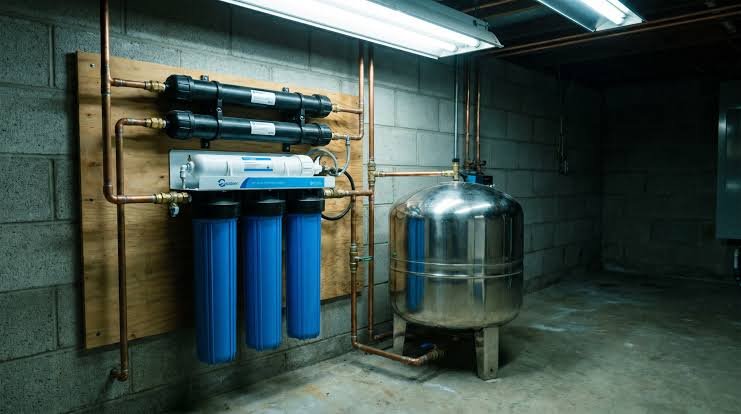
For example, activated carbon filtration is often used to reduce certain tastes and odors. Water softeners may help address mineral-related issues. Sediment filters can improve clarity in some situations.
The most effective treatment begins with understanding the actual cause of the problem rather than selecting equipment based on guesswork.
Homeowners who take a targeted approach typically achieve better results while avoiding unnecessary expenses.
Small Changes Can Have a Big Impact
Sometimes improving water quality doesn’t require a major investment. Replacing old filter cartridges, flushing a water heater, cleaning aerators, or addressing plumbing issues can make a noticeable difference.
People are often surprised by how dramatically water quality can improve through relatively simple maintenance steps. A small issue left unresolved may gradually become more noticeable over time, while a small fix can restore confidence almost immediately.
That’s one reason regular attention to household water systems is worthwhile.
Looking Beyond the Faucet
Water quality affects more than drinking water alone. It influences cooking, bathing, laundry, dishwashing, and overall household comfort.
When water smells better, tastes cleaner, and looks clear, daily routines become a little more enjoyable. It may seem like a minor detail, but these everyday experiences add up.
Many homeowners don’t realize how much they value quality water until they encounter a problem. Once the issue is resolved, the difference can feel surprisingly significant.
Final Thoughts
Water is something we rely on every single day, often without giving it much thought. Yet subtle changes in smell, taste, or appearance can quickly remind us how important it really is.
Whether you’re dealing with smelly water, noticing a strong chlorine taste, or wondering why you have cloudy water, paying attention to these signs is a smart move. Most water issues have identifiable causes, and many can be corrected with the right combination of testing, maintenance, and treatment.
In the end, understanding your water is about more than solving a problem. It’s about ensuring that one of your home’s most essential resources continues to support your family’s comfort, health, and peace of mind for years to come.