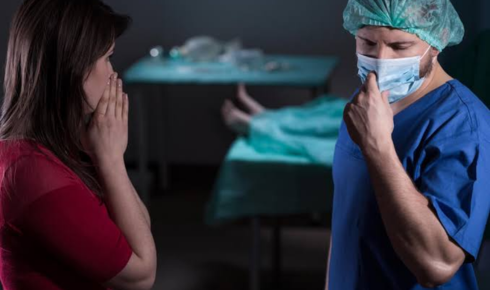
Some legal cases arrive with neat folders, clear timelines, and facts that seem easy enough to follow. Others come in heavy. Not just physically, with stacks of records and reports, but emotionally too. There may be pain, confusion, anger, grief, and unanswered questions sitting behind every document. Attorneys see this all the time. A case is never only a case to the people living through it.
When harm happens because of negligence, poor judgment, unsafe conditions, or a serious professional failure, the legal process becomes a way to search for clarity. Not perfection, necessarily. The law cannot undo every injury or bring back every lost moment. But it can help uncover what happened, who may be responsible, and what fair recovery should look like.
The Human Side of Complex Claims
It is easy to talk about litigation in technical language. Liability. Damages. Causation. Standard of care. Evidence. Expert reports. All important, yes. But behind those terms are real people trying to make sense of something that disrupted their lives.
A patient may wonder whether a doctor missed something important. A worker may be unable to return to the job that supported their family. A spouse may be left dealing with medical bills, funeral arrangements, and a silence in the home that no legal document can describe properly.
That is why cases involving medical malpractice require careful, patient review. These claims often turn on whether healthcare providers acted within accepted standards, whether a diagnosis was delayed, whether treatment was appropriate, or whether a preventable mistake caused harm.
Medical cases can be especially difficult because medicine is rarely simple. A bad outcome does not always mean malpractice occurred. At the same time, a complicated medical situation should not hide a genuine error. Sorting that out takes experience, attention to detail, and often the help of qualified medical experts.
Why Evidence Needs a Clear Story
Strong cases are not built on emotion alone. They need facts. They need documentation. They need timelines that make sense and expert opinions that can withstand pressure. But facts do not always explain themselves.
A medical record may show what happened, but not why it mattered. An accident report may list conditions, but not fully explain how the injury occurred. A financial statement may show lost income, but not the long-term effect on someone’s earning ability.
In a personal injury claim, the legal team often has to connect many moving parts: the incident itself, the injury, medical treatment, pain levels, work limitations, future care, and the impact on daily life. It is not enough to say someone was hurt. The case must show how the injury changed things.
This is where thoughtful preparation matters. The best legal work often happens before the big moments. Before depositions. Before mediation. Before trial. Attorneys review records, speak with experts, study gaps in the evidence, and try to anticipate what the other side will challenge.
When Loss Changes Everything
Some cases carry a weight that is hard to put into words. When a person dies because of another party’s negligence, the legal process becomes both deeply practical and deeply personal. Families may need answers, accountability, and financial support, but they are also grieving. That combination is never easy.
A wrongful death case may involve medical errors, vehicle collisions, unsafe premises, defective products, workplace incidents, or other forms of negligence. These claims often require careful investigation because the person most directly affected is no longer able to explain what happened.
Attorneys may need to examine medical records, accident evidence, witness statements, employment history, family dependency, and the emotional and financial losses suffered by surviving relatives. It is detailed work, and it should be handled with respect. There is no room for careless assumptions when a family’s loss is at the center of the matter.
Expert Insight Can Make the Difference
In complicated injury and negligence cases, expert support is often essential. A doctor may explain whether treatment met the standard of care. An accident reconstruction expert may clarify how a crash happened. An economist may calculate future lost earnings. A life care planner may describe long-term medical needs.
Good expert insight does not replace the attorney’s role. It strengthens it. Experts help translate technical issues into understandable explanations. They can also identify weaknesses early, which is just as valuable as confirming strengths.
An honest expert review can sometimes be uncomfortable. It may show that a case needs more evidence, that causation is not as clear as expected, or that damages need better support. But that kind of clarity is useful. It allows the legal team to prepare properly instead of being surprised later.
Credibility Is Built Slowly
The strongest claims are usually the ones that feel grounded. They do not rely on exaggerated language or emotional pressure. They rely on evidence, clear reasoning, and credible explanations.
Judges, juries, insurers, and opposing counsel all look for consistency. Does the timeline make sense? Do the records support the claim? Are the expert opinions fair? Is the damage calculation realistic? Has the legal team addressed the obvious questions?
A case becomes more persuasive when each part supports the next. The facts support the theory. The records support the injury. The expert opinion supports the argument. The damages reflect the real consequences. It sounds simple, but getting there takes real work.
Moving Forward With Care
Legal claims involving serious harm are not just about winning an argument. They are about helping people move through some of the hardest chapters of their lives. That requires skill, yes, but also patience and good judgment.
The right legal and expert support can bring structure to confusion. It can help families understand what happened. It can help injured people explain what they have lost. And it can help decision-makers see the case not as a pile of documents, but as a real story supported by real evidence.
In the end, the goal is not to make a case louder. It is to make it clearer. When the facts are carefully reviewed, the evidence is properly explained, and the human impact is not forgotten, a legal claim stands on firmer ground. And for people searching for answers after serious harm, that firm ground can mean everything.
