Most people don’t think much about their water system until something goes wrong. A strange taste shows up in the tap water. The softener stops doing its job. Pressure drops. A filter gets clogged at the worst possible time, usually when everyone in the house is busy, tired, or already running late.
That’s the thing about water treatment equipment. When it’s working, it quietly blends into the background of daily life. You drink, cook, wash, shower, clean, and move on. But when it stops working properly, you suddenly realize how much you rely on it.
This is where a proper service agreement can make life a whole lot easier. Not in a flashy way. More like the quiet relief of knowing someone has your back before the problem becomes expensive.
Related storyWhen Water Flow Slows Down, Your Home May Be Sending a Warning
The Hidden Value of Preventive Care
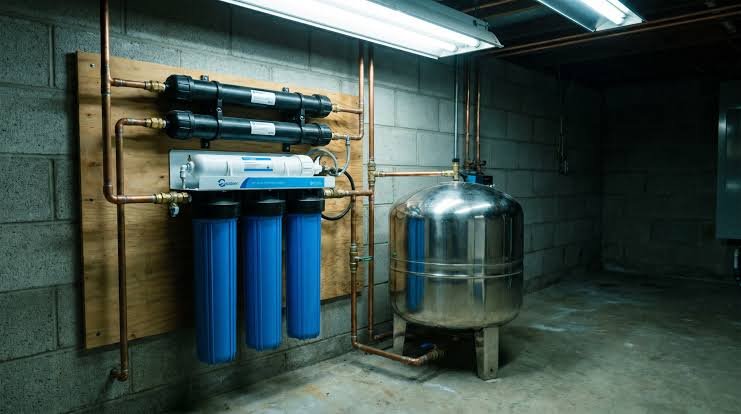
Water treatment systems are not “set it and forget it” forever. Filters need changing. Softener salt has to be monitored. Valves, seals, tanks, cartridges, and control heads all need attention from time to time. Even a high-quality system can underperform if it is ignored for too long.
A service agreement helps keep everything on track. Instead of waiting until your water looks cloudy or your appliance starts showing signs of scale, trained technicians inspect the system, test performance, and handle small issues early.
And honestly, that is usually where the savings are. A minor repair today can prevent a major replacement later. It’s not very glamorous, but it works.
Related storyWhat Homeowners Should Know Before Starting a Professional System Installation Project
For homeowners and businesses alike, no-hassle service agreements offer a simple way to stay ahead of water problems without constantly remembering maintenance dates or worrying about who to call when something feels off.
Better Water Quality Starts With Consistency
Water quality can change more often than people realize. Municipal water conditions may shift. Well water can vary after heavy rain, drought, nearby construction, or seasonal changes. Even plumbing inside the property can affect taste, odor, mineral levels, and overall performance.
That’s why one-time testing is helpful, but ongoing testing is better.
With regularly scheduled testing, you get a clearer picture of what is happening in your water over time. It’s not just about checking a box. It’s about spotting trends before they become problems. Maybe hardness levels are creeping up. Maybe iron is starting to appear. Maybe chlorine levels are affecting taste more than usual.
Consistent testing gives technicians the information they need to adjust your system properly. It also gives you peace of mind, which is not a small thing when your family, staff, customers, or equipment depend on clean, reliable water every day.
Less Guesswork, Fewer Surprise Costs
One of the most frustrating parts of home or business maintenance is the surprise bill. Something breaks, someone comes out, and suddenly the repair costs more than expected. Nobody enjoys that moment.
Related storyWhen Old Plumbing Starts Telling You It’s Time for a Change
A good service agreement helps reduce those surprises. You know what support is included. You know when service visits are planned. You know who is responsible for maintaining the equipment. That kind of clarity matters, especially for commercial properties where downtime can affect operations.
Some agreements may also include priority scheduling, system checks, filter replacements, emergency support, or discounted repairs. The exact coverage depends on the provider, of course, so it is always worth reading the details carefully.
Still, the best plans are built around convenience. They remove the guessing game and make water system care feel less like a chore.
Related storyWhy Better Water Quality Matters More Than You Might Think
When agreements come with labor and parts included it becomes even easier to plan your maintenance budget because the usual repair worries are already covered under the service terms.
Protecting Appliances and Plumbing Over Time
Poor water quality does not always cause obvious damage right away. Sometimes it works slowly. Hard water leaves scale inside pipes, fixtures, water heaters, dishwashers, washing machines, and coffee makers. Sediment can clog valves and reduce flow. Iron can stain surfaces. Acidic water may wear away at metal plumbing.
By the time the damage becomes visible, the issue may already be fairly advanced.
Regular service helps protect more than just the water treatment system itself. It also protects the expensive appliances and plumbing connected to that system. A properly maintained softener can help reduce scale buildup. A clean filter can support better flow. A balanced system can help fixtures last longer and perform better.
That is one reason service agreements are especially useful for busy households, restaurants, offices, medical facilities, salons, laundromats, and other businesses that use a lot of water. The more you depend on water, the more maintenance matters.
Related storyWhy Cleaner Water Starts with the Right Filtration System for Your Home
Convenience Is Not a Luxury Anymore
People are busy. Between work, family, customers, appointments, errands, and all the little things that fill a week, remembering to service a water system is easy to forget.
A service agreement takes that responsibility off your mental list. You don’t have to keep checking dates or wondering whether the filter is overdue. The provider follows the schedule, performs the needed checks, and helps keep the system working as it should.
That convenience can be surprisingly valuable. Not because maintenance is complicated every single time, but because consistency is hard when life is already full.
It’s the same reason people schedule oil changes, HVAC tune-ups, pest control visits, or lawn care. Preventive service keeps important things from slipping through the cracks.
Choosing the Right Service Agreement
Not every agreement is the same, so it helps to ask a few practical questions before signing up.
How often will the system be inspected? What type of water testing is included? Are emergency calls covered? Are filters, parts, or repairs part of the plan? Is there priority service if something fails? Does the agreement cover your exact system, or only certain components?
A trustworthy provider should explain the agreement clearly. No vague promises. No confusing fine print. Just a practical plan that matches your equipment, water conditions, and usage.
For a small home, the service needs may be fairly simple. For a business, the agreement may need to be more detailed because water interruptions can affect staff, customers, sanitation, equipment, or production. The right plan should fit the property, not the other way around.
A Smarter Way to Care for Your Water
Water system maintenance is one of those things that feels easy to delay. Until it isn’t. A service agreement makes it easier to stay proactive instead of reactive, and that can save money, time, and frustration down the road.
More importantly, it helps protect the quality of the water you use every day. That matters for comfort. It matters for health. It matters for appliances, plumbing, and long-term property care.
In the end, a good service agreement is not just about fixing problems. It’s about preventing them, quietly and consistently, so your water system can keep doing its job without becoming one more thing you have to worry about.