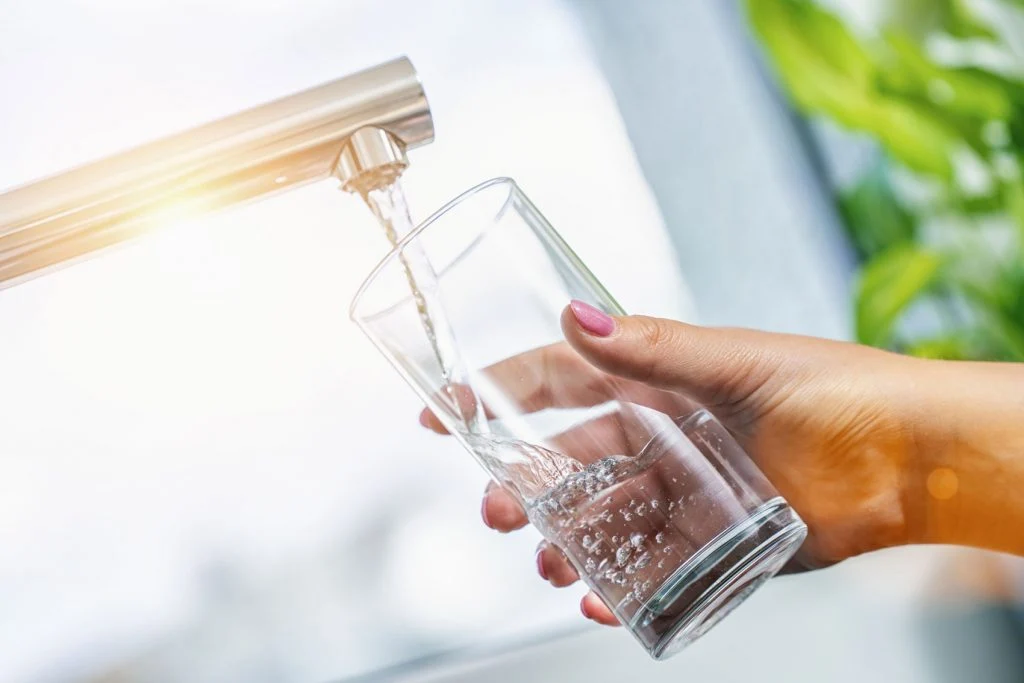
Water is one of those everyday things we trust without thinking too much about it. It fills the kettle, rinses the vegetables, runs through the shower, washes the clothes, cleans the dishes, and keeps the coffee maker alive in the morning. Most of the time, if it looks clear, we assume it is fine.
But water can be a little misleading. Clear water is not always problem-free water. It may carry minerals, gases, disinfectants, metals, sediment, or other substances that affect taste, smell, cleaning, plumbing, appliances, and comfort. Sometimes the signs are small. A strange aftertaste. White marks on the tap. Orange stains in the sink. A faint swimming-pool smell from the glass. Nothing dramatic, maybe, but enough to make you wonder.
Understanding what is in your water is the first step toward choosing the right treatment. Not every water issue needs the same solution, and honestly, guessing can get expensive fast.
Related storyWhy Hard Water Leaves More Than Just Spots Behind
Clear Water Can Still Cause Problems
A glass of water can look perfectly clean and still contain things that make daily life harder. Some water issues are mostly about comfort. Others affect appliances, pipes, fixtures, or drinking quality. The tricky part is that different problems can look similar on the surface.
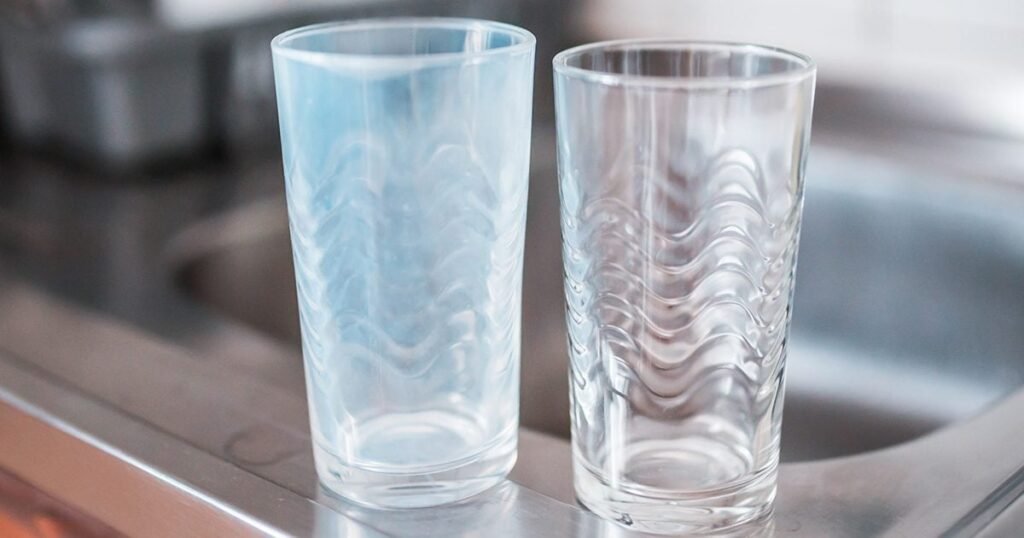
For example, cloudy dishes may be caused by hardness. Stains may come from minerals. Odd smells may come from sulfur or disinfectants. A dry feeling after a shower may not be your soap at all — it could be the water itself.
That is why testing matters. A proper water test helps identify the actual source of the issue instead of relying on guesswork, internet advice, or whatever filter happens to be on sale.
Related storyWhen Water Flow Slows Down, Your Home May Be Sending a Warning
The Trouble with Hard Water
One of the most common water concerns in homes and businesses is hardness. It usually comes from dissolved minerals, especially calcium and magnesium, which water collects as it moves through rock, soil, or underground formations.
Hard water is not usually dangerous to drink, but it can be deeply annoying. It leaves spots on glassware, scale on fixtures, crust inside kettles, and buildup in water heaters. Soap may not lather properly. Shampoo may feel harder to rinse out. Laundry can come out stiff or dull, even when the washing machine is working fine.
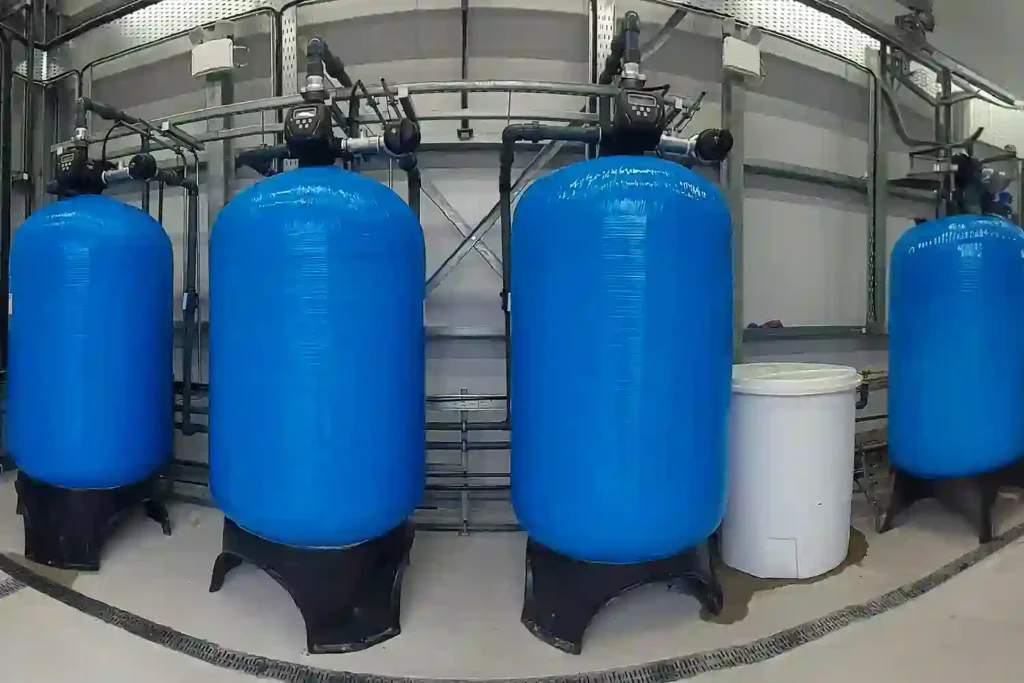
Over time, scale can make appliances work harder than they should. Water heaters, dishwashers, washing machines, coffee makers, and boilers may lose efficiency or need more frequent maintenance. That is why many homeowners choose softening systems, not because hard water is scary, but because it quietly wears things down.
When Stains and Smells Point to a Deeper Issue
Some water problems are impossible to ignore. Rusty orange marks in toilets, sinks, and tubs can make a clean home look neglected. A rotten-egg smell can make people avoid drinking tap water altogether. Even if the water is technically usable, nobody enjoys water that smells or stains everything it touches.
Related storyWhy Investing in Drinking Water Filtration Can Transform Everyday Life at Home
Issues involving iron and sulfur are especially common in private wells, though they can show up in other water sources too. Iron may create reddish or brown staining and a metallic taste. Sulfur-related problems can cause unpleasant odours that become stronger in hot water or enclosed spaces like bathrooms.
Solving these problems usually requires more than a basic filter. The right treatment depends on the level present, the form it takes, and whether other conditions — like pH, bacteria, or sediment — are involved. Again, testing comes first. Always.
The Taste and Smell of Treated Water
Municipal water is treated to meet safety standards, and that treatment is important. Still, many people do not love the taste or smell that comes with it. Some homes notice a chemical-like flavour, especially in drinking water, ice, tea, or coffee.
This is often connected to chlorine and chloramines, which are commonly used to disinfect public water supplies. They help control harmful microorganisms, but they can also affect taste and odour. For some people, it is mild. For others, it is the main reason they buy bottled water.
Carbon filtration and other treatment options can help improve taste and smell at the tap or throughout the home. For families trying to reduce bottled water use, better-tasting water can make a surprisingly big difference.
Related storyThe Everyday Comfort of Soft Water at Home
Why One Filter Does Not Fix Everything
It is tempting to think one product can solve all water problems. A simple filter sounds easy. Buy it, install it, done. But water does not always cooperate with simple thinking.
A filter that improves taste may not soften hard water. A softener may not remove chlorine taste. A sediment filter may protect plumbing but do little for odour. A system for iron may not be the same as one needed for bacteria concerns.
The best solution is usually based on the water test, the property type, and how the water is used. A household may need drinking water filtration only. Another home may need whole-house treatment. A business may need a system sized for heavy daily use. The right setup should fit the real problem, not just the most obvious symptom.
Related storyWhy Consistent Water Quality Matters More Than Most People Think
Better Water Helps More Than Drinking
People often think of water treatment as something only for the glass on the kitchen counter. But water touches the whole property. It affects showers, laundry, fixtures, plumbing, water heaters, appliances, cleaning routines, and even the way food and drinks taste.
When water improves, life gets easier in small but noticeable ways. The kettle stays cleaner. Coffee tastes better. Shower doors need less scrubbing. Clothes feel fresher. Appliances deal with less buildup. The home just feels a little more comfortable.
For businesses, the benefits may be even more practical. Better water can support equipment performance, improve customer experience, reduce maintenance pressure, and create more consistent results in kitchens, laundry rooms, salons, offices, or hospitality spaces.
Start with What the Water Is Telling You
Water problems should not be ignored, but they also should not cause panic. Most issues can be understood and treated when the right steps are taken. Notice the signs. Test the water. Choose a system that matches the results. Maintain it properly.
Good water is not always about making a dramatic change. Sometimes it is about removing daily frustrations you have gotten used to living with. Cleaner glasses, better showers, fresher taste, fewer stains, and more confidence every time you turn on the tap.
And really, that is what better water should feel like — simple, reliable, and quietly helpful in the background of everyday life.