Most people don’t think too deeply about the water running through their homes. It comes out of the tap, fills the coffee maker, rinses the dishes, runs through the shower, and keeps the laundry moving. It’s just there, doing its job in the background. Until, of course, it starts giving little hints that something isn’t quite right.
Maybe the water tastes strange. Maybe your glasses come out of the dishwasher with spots again. Maybe the shower leaves your skin feeling dry, or the sink has those stubborn marks that never seem to stay gone for long. These are not always huge problems, but they are usually signs worth paying attention to.
Clean, reliable water is one of those quiet comforts that makes a home feel better. And the good news is, once you understand what your water needs, the right treatment system can make a real difference.
Related storyChoosing the Right Water Treatment Installation: Why a Thoughtful Setup Makes All the Difference
Start With the Water, Not the Product
A common mistake homeowners make is shopping for equipment before knowing what’s actually in their water. It’s understandable. You search online, see a few impressive systems, read a handful of reviews, and suddenly everything sounds necessary. But water treatment should never start with guessing.
The better first step is testing. A proper water test can show whether you’re dealing with hardness minerals, chlorine, sediment, iron, unpleasant taste, odor, or other concerns. Without that information, it’s easy to buy something that only solves part of the problem — or worse, doesn’t solve the real issue at all.
Every home is slightly different. Two houses in the same neighborhood can still have different water conditions because of plumbing age, pipe material, water usage, or even the way municipal water travels through local lines. That’s why personalized recommendations matter.
Related storyWhy Investing in Drinking Water Filtration Can Transform Everyday Life at Home
When Drinking Water Needs Extra Care
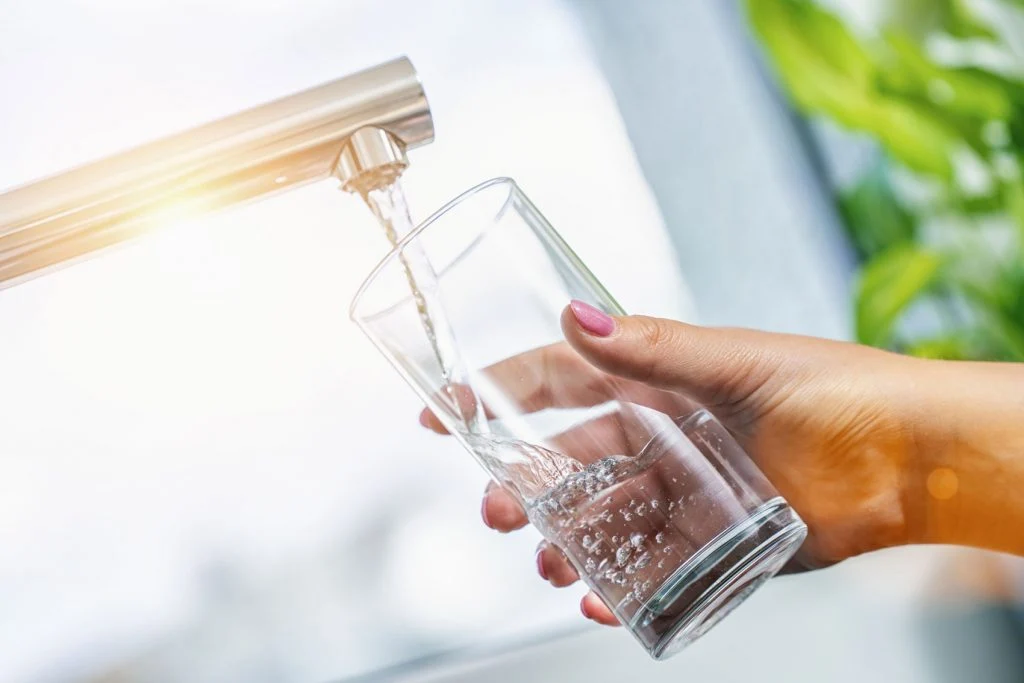
For many families, the biggest concern is the water they drink. Even if tap water meets basic standards, it may still taste flat, smell treated, or contain dissolved substances that people would rather reduce. This is where reverse osmosis systems often come into the conversation.
Reverse osmosis is commonly used for drinking water because it can reduce many dissolved impurities and improve taste. It’s usually installed under the kitchen sink, though setups can vary depending on the home. People often notice the difference in coffee, tea, ice cubes, soups, and plain drinking water.
It’s not always the answer for every faucet in the house, and it may not be the only system a home needs. But for families who want cleaner-tasting water at the kitchen tap, it can be a very practical choice.
The Everyday Frustration of Hard Water
Hard water is one of the most common household water problems, and it can be surprisingly annoying. It doesn’t always look dramatic. Instead, it shows up in small ways that slowly wear on your patience.
Related storyWhen Water Flow Slows Down, Your Home May Be Sending a Warning
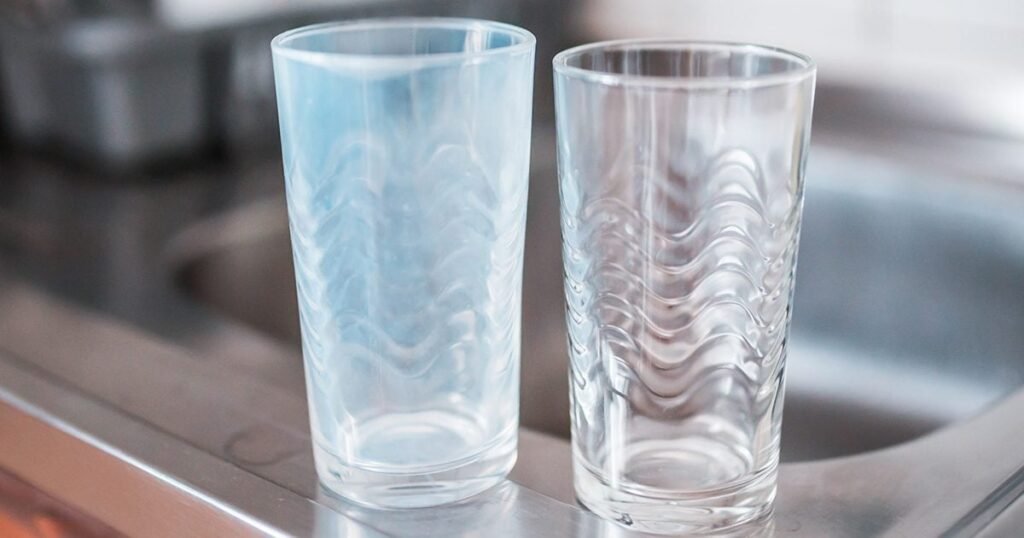
Soap doesn’t lather well. Shampoo feels harder to rinse out. Towels lose softness. White spots appear on dishes. Faucets develop chalky buildup. Water heaters may work harder than they should. It’s not exactly exciting dinner conversation, but anyone who has dealt with hard water knows how frustrating it can be.
That’s where water softeners can help. They are designed to reduce hardness minerals such as calcium and magnesium, which are often responsible for scale buildup and many of those irritating household symptoms. Softer water can make cleaning easier, help soaps perform better, and support water-using appliances over time.
A softener doesn’t fix every water issue, though. It won’t automatically remove chlorine taste or every particle in the water. That’s why testing and proper system design are so important.
Filtration for Taste, Odor, and Particles
Some homes don’t need softening as much as they need help with taste, smell, or visible particles. Chlorine odor, sediment, cloudy water, and rusty-looking stains can all point to different concerns. Sometimes the water is technically acceptable but still unpleasant to use.
Related storyWhy Hard Water Leaves More Than Just Spots Behind
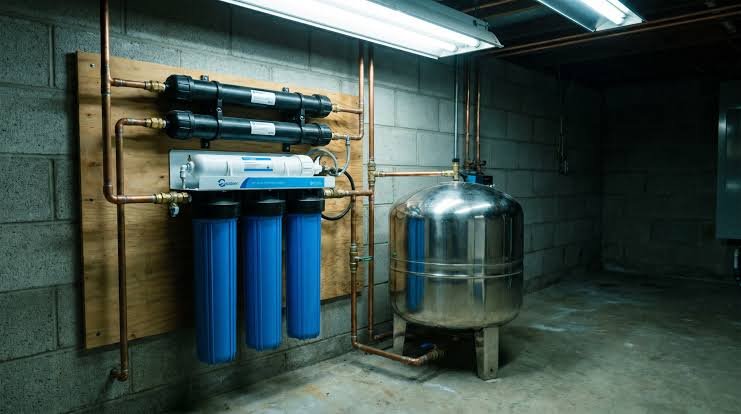
Quality filtration systems can be designed to target specific problems, from sediment and chlorine to certain odors or discoloration. Some are installed for the whole home, while others focus on a specific tap or appliance. The right setup depends on what the water test reveals and what the homeowner wants to improve.
This is why a good recommendation should feel clear and practical, not pushy. A homeowner should understand what the system does, why it’s being suggested, and what results to realistically expect.
Whole-Home Comfort Matters Too
Water treatment is not only about drinking water. That’s important, of course, but water touches almost everything inside a home. Showers, laundry, dishwashers, water heaters, sinks, toilets, coffee machines, and ice makers all rely on it.
When water quality improves, the benefits often show up in ordinary routines. Showers feel better. Clothes rinse cleaner. Appliances may run more efficiently. Fixtures stay cleaner for longer. The kitchen sink doesn’t become a daily reminder that your water needs attention.
Related storyWhy Paying Attention to Your Home’s Water Today Can Save Bigger Problems Tomorrow
These improvements may not feel dramatic at first, but they add up. Home comfort is often built from small things working properly.
Professional Guidance Can Save Money
There are plenty of DIY water products out there, and some can be useful for simple needs. But when water issues affect the whole house or involve more than one problem, professional guidance can prevent expensive mistakes.
A trained technician can test the water, explain the results, look at your plumbing setup, and recommend a system that actually fits. That matters because bigger is not always better. The right system is the one that matches your water, your household size, and your goals.
Maintenance also matters. Filters need replacement. Softeners need salt. Systems should be checked from time to time to make sure they keep working properly. A little routine care helps protect the investment.
Better Water Begins With Better Understanding
Choosing a water treatment system doesn’t have to feel overwhelming. Start with testing. Learn what your water is doing. Then choose a solution based on facts, not guesswork or flashy product claims.
Good water should make life easier, not more complicated. It should taste better, feel better, and help your home run more smoothly in the background. And once the right system is in place, you may find yourself thinking about water less — which, honestly, is usually the best sign that it’s doing exactly what it should.