Water does a lot of work before anyone gives it credit. It runs through pipes, heaters, dishwashers, washing machines, coffee makers, cooling systems, bathrooms, kitchens, and sometimes expensive commercial equipment that nobody wants to replace early. Most of the time, water stays in the background. It only gets attention when something goes wrong.
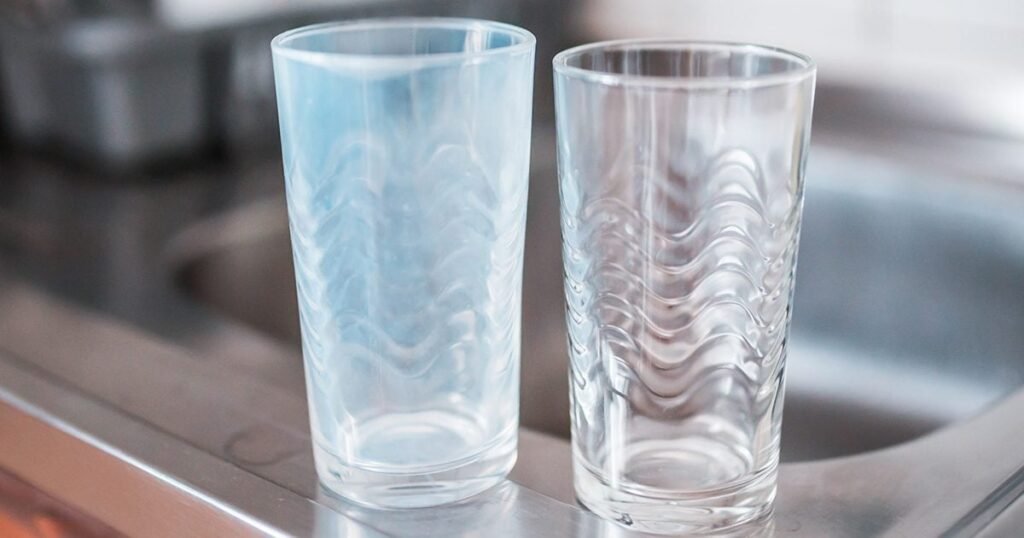
A faucet starts leaving white crust around the base. Glassware comes out cloudy. A water heater makes odd noises. Coffee tastes a little bitter, even though the beans are good. Laundry feels stiff. Skin gets dry after showers. These little signs are easy to ignore at first, but they often point to the same basic truth: the quality of your water affects more than taste.
Good water is not just about having something clear in a glass. It is about comfort, efficiency, appliance life, cleaning performance, and long-term costs. Whether you manage a busy business or take care of a family home, water quality can quietly shape your day in ways you may not notice until the problems pile up.
Related storyWhen Water Flow Slows Down, Your Home May Be Sending a Warning
Water Problems Usually Start Small
Most water issues don’t arrive like a disaster. They sneak in. Hard water minerals slowly collect inside pipes and equipment. Sediment builds up in fixtures. Chlorine affects taste and smell. Iron creates staining. High mineral content leaves spots on sinks, dishes, shower doors, and faucets.
At first, it just feels annoying. You scrub more often. You use more soap. You replace a small appliance. Then another one. Eventually, the annoyance turns into real expense.
That is why many people choose to improve water quality before damage becomes obvious. A proper water test can show what is actually going on, instead of leaving you to guess based on stains, smells, or taste. Guessing usually leads to the wrong solution, and the wrong solution can be expensive in its own quiet way.
Why Hard Water Is Such a Common Trouble Maker
Hard water is one of the most common problems in homes and businesses. It contains higher levels of minerals like calcium and magnesium. These minerals are not always harmful to drink, but they can be rough on plumbing and appliances.
Related storyHow Better Water Management Supports Safer, More Efficient Industrial Operations
The scale they leave behind can reduce water flow, make heaters work harder, and cause equipment to lose efficiency over time. You might notice white deposits around faucets, cloudy spots on dishes, or soap that does not lather well. In commercial settings, hard water can also affect ice machines, coffee equipment, boilers, dishwashers, and cleaning results.
The frustrating part is that hard water damage often happens inside equipment where you can’t see it. By the time performance drops, scale may already be sitting in places that are difficult to clean.
Equipment Works Better with Better Water
If water is full of minerals, sediment, or other unwanted substances, anything connected to that water has to deal with the consequences. Water heaters may take longer to heat. Dishwashers may leave residue. Coffee machines may clog. Washing machines may need more detergent to get the same result.
Related storyWhy Hard Water Leaves More Than Just Spots Behind
For businesses, the stakes can be even higher. A restaurant depends on clean glassware, good-tasting beverages, and reliable equipment. A salon needs water that supports washing, rinsing, and customer comfort. A hotel wants showers, laundry, and guest areas to feel clean. A manufacturing or healthcare facility may have more specific requirements.
Better water helps protect equipment by reducing the stress caused by scale, sediment, and other water-related buildup. It does not make machines last forever, obviously. Nothing does. But it can help them run more smoothly and reduce the chances of avoidable wear.
The Cost of Doing Nothing
It is tempting to delay water treatment because the problem does not always feel urgent. A little spotting here. A little buildup there. A strange taste that everyone gets used to. But water issues rarely fix themselves.
Over time, poor water quality can create more cleaning work, more service calls, and more replacement costs. Employees may avoid drinking the water. Customers may notice taste or odor. Homeowners may keep buying bottled water while still dealing with stained fixtures and dry skin.
Related storyWhy Better Water Quality Matters More Than You Might Think
That is not a great bargain.
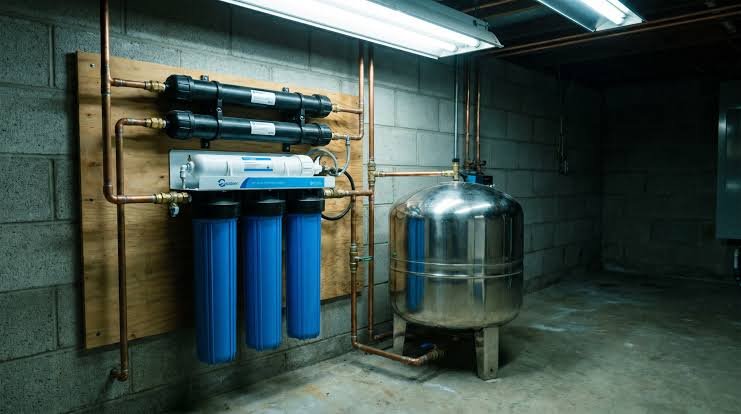
A water treatment system should be looked at as part of property care, not just an extra purchase. People service HVAC systems, change car oil, inspect roofs, and clean gutters because maintenance prevents bigger problems. Water deserves the same kind of attention.
Choosing the Right Solution Matters
Not every water problem needs the same fix. A water softener can help with hardness, but it does not solve every taste or odor issue. A carbon filter can reduce chlorine taste and smell, but it will not remove all dissolved minerals. A sediment filter may protect fixtures and equipment, but it will not handle bacteria or certain chemicals. Reverse osmosis may be useful for drinking water, but it may not be needed for every tap.
This is why testing matters so much. Once you know what is in the water, you can choose the right treatment system. Without testing, people often buy whatever sounds popular and hope for the best.
Related storyWhy Investing in Drinking Water Filtration Can Transform Everyday Life at Home
A good system should match the property, water source, usage level, and specific concerns. A small home, a busy café, and a commercial facility all use water differently. The solution should reflect that.
Maintenance Keeps the System Honest
Installing treatment equipment is only part of the job. Filters need to be replaced. Softeners need salt. Systems should be inspected from time to time. Water conditions can also change, especially with wells or older plumbing.
Regular service helps keep everything working as intended. It also helps property owners reduce maintenance costs by catching issues earlier and keeping water-related buildup under control. The goal is not just cleaner water today, but fewer headaches tomorrow.
And honestly, there is peace of mind in knowing the system is being looked after. Nobody wants to discover a neglected filter or failing softener only after damage has already happened.
Better Water Makes Daily Life Easier
The benefits of better water are not always dramatic. Sometimes they are pleasantly ordinary. Cleaner dishes. Softer laundry. Better coffee. Less scrubbing. Longer appliance life. More confidence when filling a glass from the tap.
For businesses, better water can support smoother operations and a better customer experience. For homes, it can make everyday routines feel a little cleaner and more comfortable.
Water may not be the most exciting part of a property, but it is one of the most important. When it is treated properly, everything connected to it has a better chance of working the way it should. And that, in the long run, is worth paying attention to.