Most of us don’t wake up thinking about the water running through our homes. We turn on the tap, rinse a cup, fill the kettle, start the washing machine, and carry on. It’s one of those everyday comforts that feels almost invisible when everything seems normal. But water has a funny way of speaking up, just not always loudly.
Sometimes it shows itself through a strange taste in your tea. Sometimes it’s a cloudy glass, a rusty stain in the sink, or that stubborn white crust around the showerhead. You clean it, it comes back. You ignore it, it gets worse. And somewhere in the middle of all that, your home may be giving you a hint that something needs a closer look.
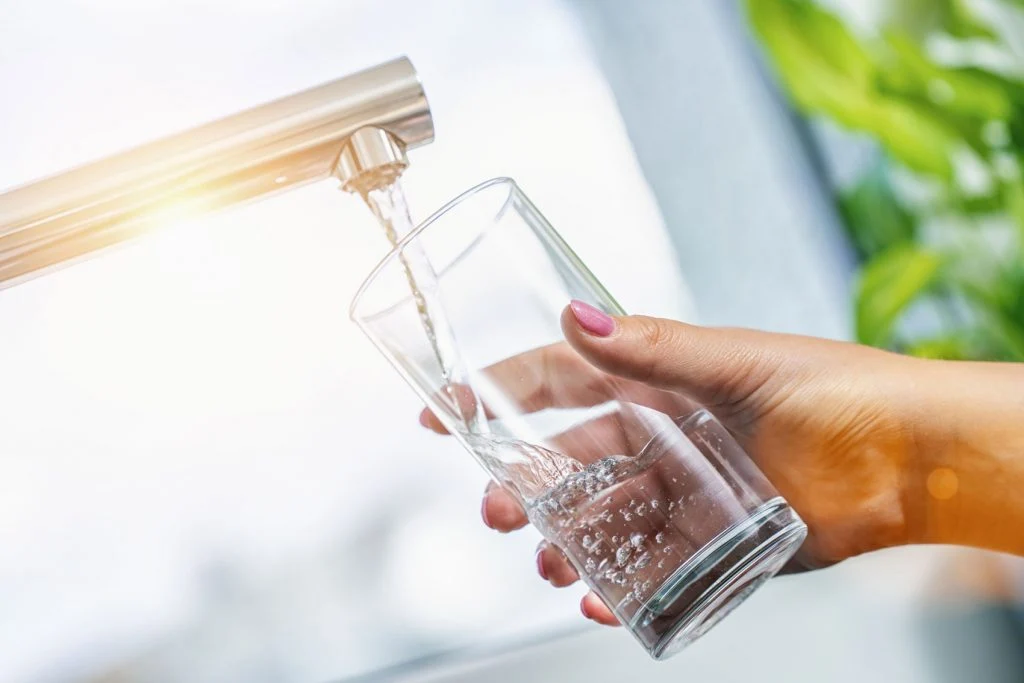
Clear Water Doesn’t Always Mean Perfect Water
A common mistake is assuming that if water looks clear, it must be fine. Fair thought, really. Nobody expects invisible problems from something that appears clean. But water can carry minerals, sediment, metals, bacteria, chlorine byproducts, and other things that do not always change its colour.
Related storyWhy Hard Water Leaves a Mark on Everyday Life
That’s why water quality matters beyond appearance. It affects how water tastes, how it smells, how it interacts with your plumbing, and even how well soaps, detergents, and appliances perform. Good water should feel dependable, not leave you second-guessing every glass or scrubbing fixtures every few days.
And it’s not only about drinking. Water touches almost everything in a home. It runs through water heaters, dishwashers, coffee makers, washing machines, pipes, taps, showers, and toilets. If the water is too hard, too acidic, high in iron, or carrying sediment, the effects can slowly spread through the house.
The Little Clues Around Your Home
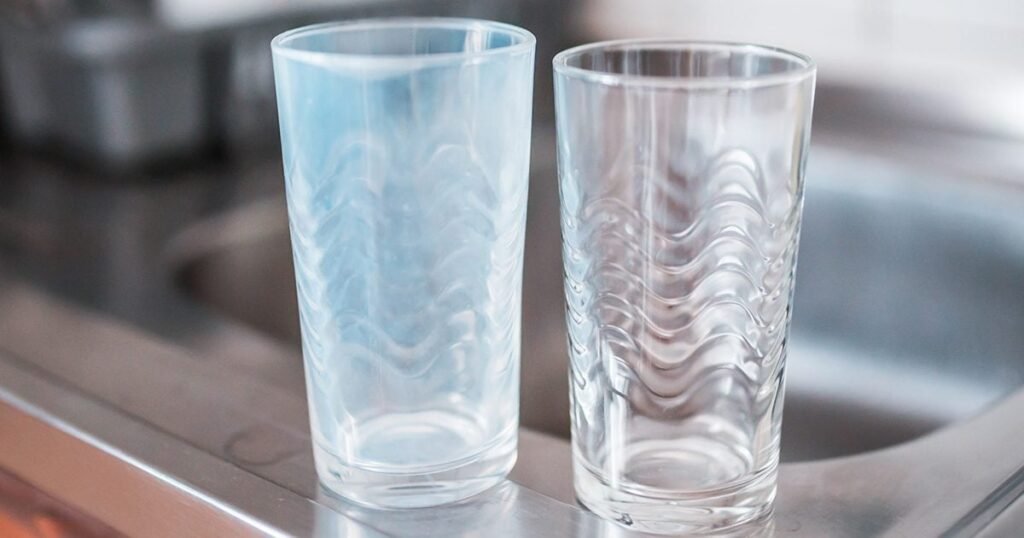
Water problems often begin with small, easy-to-dismiss signs. Maybe there are orange streaks in the toilet bowl. That may point to iron. Dark stains could suggest manganese. White scale around taps usually comes from hardness minerals like calcium and magnesium. A blue-green mark around a drain may be linked to copper or acidic water interacting with plumbing.
Taste and smell matter too. A metallic taste may suggest metals in the water or pipe-related issues. A rotten egg smell often makes people think of sulfur. Chlorine-like smells are more common in treated municipal supplies, though levels and sensitivity vary from home to home.
Related storyWhy the Water in Your Glass Deserves More Attention
None of these signs automatically mean disaster. But they do mean the water is worth understanding better. The earlier you pay attention, the easier it usually is to manage the issue.
What Could Be in the Water?
Depending on where you live and where your water comes from, different concerns can show up. Municipal water is treated before it reaches your home, but it can still pick up materials from older pipes or contain minerals that affect taste and fixtures. Private wells are a different story because the homeowner is usually responsible for monitoring and treatment.
Some concerns are mostly cosmetic or practical. Hardness can create scale. Iron can stain. Sediment can make water cloudy or gritty. Other concerns may need more serious attention, especially when harmful substances such as bacteria, nitrates, lead, arsenic, pesticides, or industrial chemicals are suspected.
The tricky part is that you cannot reliably identify everything by smell, colour, or taste. Some of the most important concerns may not announce themselves at all. That’s where guessing becomes risky, and proper checks become valuable.
Related storyWhen Your Water Doesn’t Seem Right: Understanding Common Household Water Problems
Why Testing Should Come Before Treatment
It’s tempting to buy a filter the moment something feels off. There are plenty of products out there with big promises, shiny packaging, and impressive-sounding claims. But water problems are not one-size-fits-all. A filter that helps with taste may do very little for hardness. A softener may handle scale but not remove certain contaminants. A sediment filter may catch particles but not solve bacteria concerns.
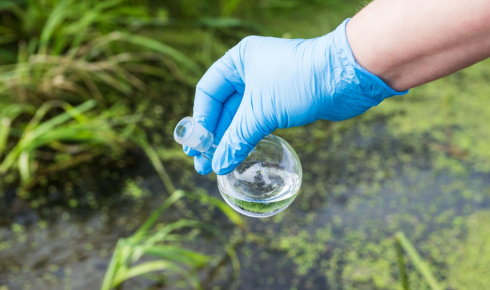
That is why water testing should come before choosing equipment. A proper test gives you a clearer picture of what is actually happening. It can show hardness levels, pH balance, iron, manganese, total dissolved solids, bacteria, and other factors depending on the type of test selected.
Once you know the results, the solution becomes far less confusing. Instead of buying something and hoping for the best, you can choose a system that matches the problem.
Choosing a Sensible Treatment Approach
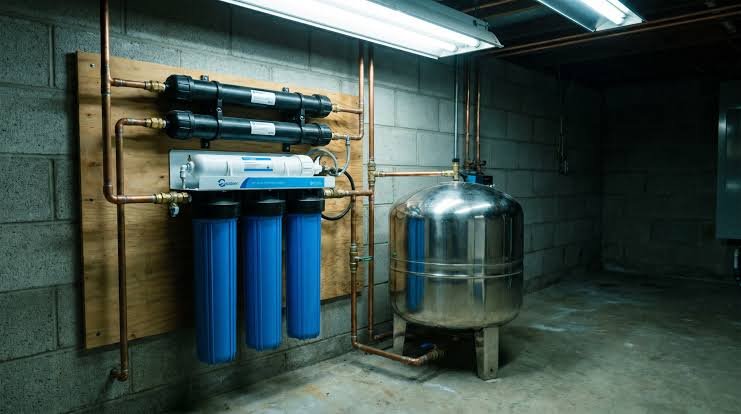
The right treatment depends on the water source, test results, household size, plumbing condition, and daily usage. For hard water, a softener may be helpful. For iron or manganese, a dedicated filtration system may be needed. For taste and odour, carbon filtration can often improve the experience. For microbial concerns, ultraviolet systems or other disinfection methods may be recommended.
Related storyWhy Hard Water Leaves More Than Just Spots Behind
Sometimes a layered approach works best. For example, a sediment filter may protect other equipment, while a separate system handles minerals or odour. In other homes, a simpler setup may be enough. The goal is not to install the biggest or most expensive system. The goal is to install the right one.
Good advice matters here. A professional can read the test results, inspect the symptoms, and recommend something practical rather than pushing a generic fix.
Maintenance Is Part of the Story
Even the best system needs care. Filters need replacing. Softeners need salt. UV bulbs need checking. Systems should be inspected occasionally to make sure they are still doing their job. It’s a bit like owning a car. Buying it is only the beginning; keeping it working properly is what protects the investment.
Related storyWhen Hard Water Becomes a Daily Problem, the Right Solution Matters
Neglecting maintenance can bring old problems back. Water may start smelling strange again, pressure may drop, stains may return, or equipment may become less effective. A simple maintenance schedule can prevent a lot of frustration.
Better Water Makes Everyday Life Easier
When water is properly understood and treated, the difference can feel surprisingly personal. Coffee tastes cleaner. Laundry feels better. Glassware looks clearer. Showers feel fresher. Appliances don’t have to fight against mineral buildup. Cleaning becomes less of a chore, which, honestly, is reason enough for many people.
More than anything, dependable water brings peace of mind. You stop wondering why the sink keeps staining or why the tap smells odd. You know what is in your water, what has been done about it, and how to keep it in good shape.
Water may be quiet, but it is not meaningless. If it leaves marks, changes taste, smells strange, or makes your home harder to maintain, it is probably trying to tell you something. Listening early can save money, protect your home, and make daily life feel just a little cleaner, easier, and more comfortable.