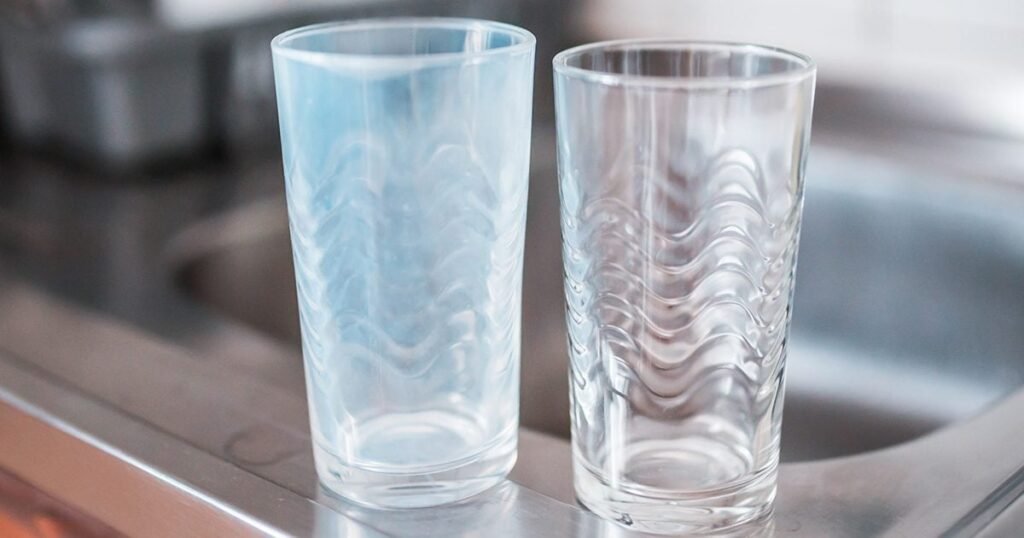
Water has a quiet way of telling you when something isn’t quite right. Maybe it leaves tiny particles in the sink. Maybe the shower smells a little odd when you first turn it on. Maybe your glasses never look fully clear, no matter how carefully you wash them. Most people shrug these things off for a while. Life is busy, and water problems rarely arrive with a big dramatic announcement.
Still, the water running through a home affects almost everything. It touches your skin, your dishes, your laundry, your cooking, your coffee, and the appliances you depend on every day. So when the water is carrying sediment, odors, minerals, or other unwanted elements, those little annoyances can slowly become part of daily life.
The small clues hiding in plain sight
One of the first signs of poor water quality is visible residue. It might look like sand, rust-colored specks, cloudy water, or fine grit collecting in fixtures. Sometimes it comes from older pipes. Sometimes it enters through the main water supply. In well water homes, it may come from soil, minerals, or natural underground conditions.
Related storyChoosing the Right Water Treatment Installation: Why a Thoughtful Setup Makes All the Difference
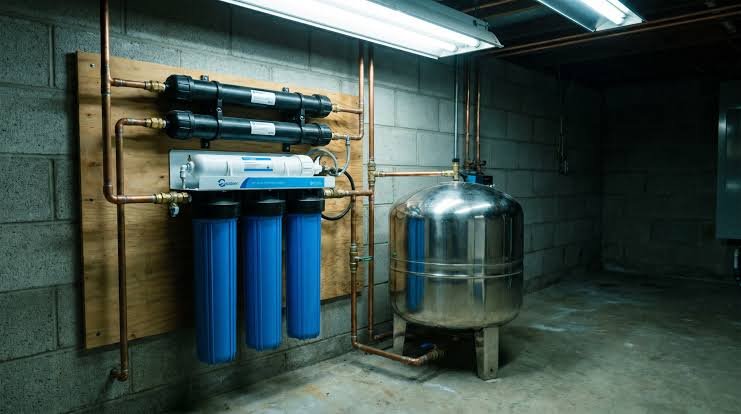
That’s where sediment filtration can make a real difference. A properly chosen filter helps reduce particles before they travel deeper into the plumbing system. This can protect fixtures, support appliance performance, and make water look and feel cleaner. It’s not glamorous, but honestly, neither is cleaning grit out of a faucet screen.
Why water can smell strange
Odor is another issue homeowners notice quickly. A chlorine smell, musty odor, metallic scent, or rotten-egg smell can make water unpleasant even if it appears clear. Nobody wants to fill a glass from the tap and hesitate before drinking it. And when smells show up in the shower or kitchen sink, they can make the home feel less fresh overall.
Effective odor removal depends on the cause. Chlorine may require a different treatment than sulfur smells. Organic matter, bacteria, or plumbing conditions may also play a role. This is why testing matters before choosing a system. You don’t want to cover up the smell; you want to understand where it’s coming from.
Testing before treating
A lot of homeowners try quick fixes first. A pitcher filter here, a faucet attachment there, maybe a new showerhead filter because it was on sale. Sometimes those help a little. But if the problem is coming from the main supply, a small filter at one tap may not solve much.
Water testing gives a clearer picture. It can show whether you’re dealing with sediment, hardness, chlorine, iron, sulfur, pH imbalance, or other concerns. Once the results are known, treatment becomes much more practical. Instead of guessing, you can choose a system built for the actual issue.
Related storyWhen Water Flow Slows Down, Your Home May Be Sending a Warning
Better water makes daily routines easier
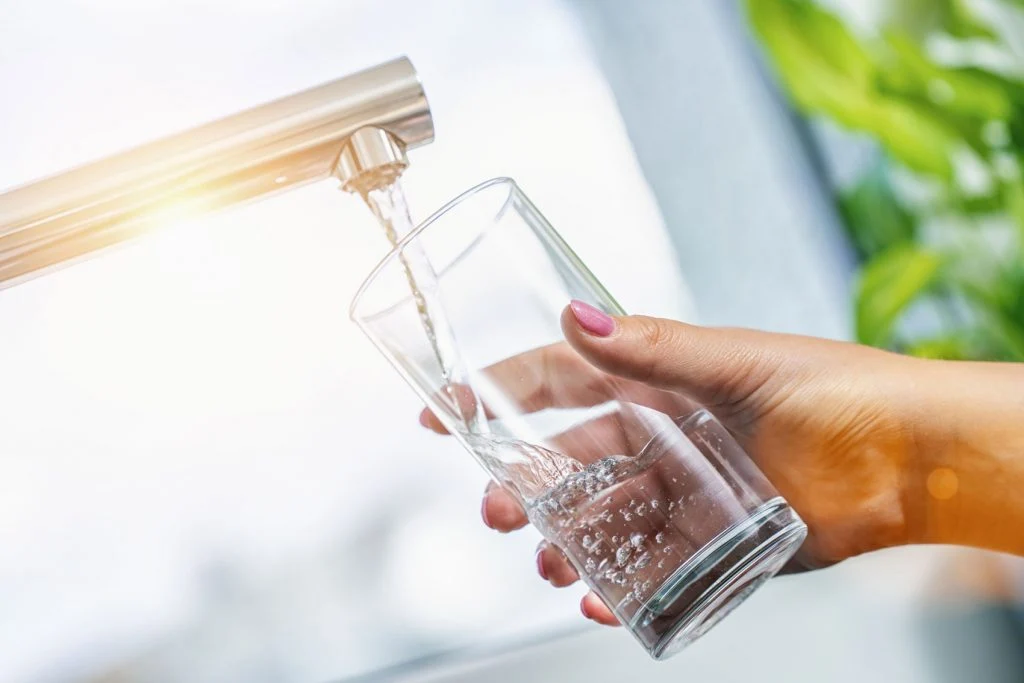
The value of water quality improvement is often felt in small routines. Water may look clearer when poured into a glass. Coffee and tea may taste cleaner. Showers may feel fresher. Appliances may show less buildup. Laundry may rinse better. These changes do not always feel dramatic on day one, but over time they make the home feel more comfortable.
Good water treatment is not about chasing perfection. It’s about removing the annoyances that make people distrust their own tap water. That matters more than many homeowners realise.
Appliances and plumbing need protection too
Sediment and minerals do more than affect taste and appearance. They can settle inside water heaters, clog screens, reduce flow, and make appliances work harder. Dishwashers, washing machines, ice makers, and coffee makers all rely on water quality. If that water carries particles or buildup, the equipment may not perform as well as it should.
A whole-home approach can help protect more than just drinking water. It supports the systems working behind the walls and under the counters. That kind of protection is easy to forget about until something breaks or needs replacing earlier than expected.
Related storyWhy Investing in Drinking Water Filtration Can Transform Everyday Life at Home
Choosing the right filtration setup
There is no single filter that solves every water problem. Some homes need a sediment filter as the first line of defense. Others may need carbon filtration for taste and odor. Well water may require specialty treatment. Hard water may call for a softener. Drinking water concerns may be best handled with reverse osmosis.
The right solution depends on the water source, test results, household size, plumbing layout, and what the homeowner wants to improve. A professional can explain these options without making the process feel overwhelming. That guidance can prevent wasted money on equipment that doesn’t fit the problem.
Maintenance keeps results consistent
Once a water treatment system is installed, it still needs care. Filters must be changed. Media may need replacement. Some systems should be checked regularly to make sure pressure, flow, and performance remain steady. Ignoring maintenance can allow old problems to creep back in.
Related storyA Closer Look at Whole-Home Reverse Osmosis and Smarter Water Treatment
Thankfully, routine service is usually simple when the system is set up correctly. A homeowner doesn’t need to become a water expert. They just need a clear schedule and a reliable professional who knows what to check.
A cleaner feeling home starts at the tap
Water quality affects the feel of a home in quiet ways. You notice it when the sink looks cleaner, when the shower smells fresh, when drinks taste better, and when appliances stop showing buildup so quickly. It’s practical comfort, really.
Improving water may not be as exciting as remodeling a kitchen, but it can make everyday life easier. And sometimes the best home upgrades are the ones you don’t have to think about every day — they simply work, right there in the background, every time you turn the tap.
Related storyWhy Hard Water Leaves a Mark on Everyday Life