Air conditioners rarely fail politely. They don’t usually send a neat little warning message saying, “Hello, I may need attention next week.” Instead, they give small clues. A room feels sticky. The unit runs longer than usual. The air coming from the vents feels off. And because life is busy, most people try to ignore it for a while.
That’s understandable. Nobody wants to deal with AC trouble, especially when the system is still technically running. But a struggling cooling system has a way of turning from “a bit annoying” into “why is the house so hot?” faster than expected. The good news is that many problems can be handled before they become major breakdowns, as long as the warning signs are taken seriously.
The Air Doesn’t Feel Cool Anymore
One of the most obvious signs of AC trouble is warm air coming through the vents when the system is set to cool. It can happen for several reasons. The thermostat may be set incorrectly, the filter may be clogged, or the outdoor unit may not be working properly. Sometimes the issue is electrical. Other times, it may point to low refrigerant or a compressor problem.
A quick check of the thermostat and air filter is fine, but if the problem continues, it’s better to have the system inspected. Running an AC when it can’t cool properly often makes the issue worse and may put extra strain on expensive parts.
Related storyWhen Water Flow Slows Down, Your Home May Be Sending a Warning
Ice on the System Is Not Normal
It sounds strange, but an air conditioner can freeze even when the weather outside is hot. If you notice ice buildup on the refrigerant lines, indoor coil, or around part of the unit, that’s a sign something is wrong. Ice can form when airflow is restricted, refrigerant levels are low, or the evaporator coil gets too cold.
Many homeowners are tempted to turn the temperature lower when the AC is struggling, but that can make freezing worse. The smarter move is to turn the system off and let it thaw before calling a technician. Ice is not just a surface problem. It often points to an issue inside the system that needs proper diagnosis.
Odd Noises Deserve Attention
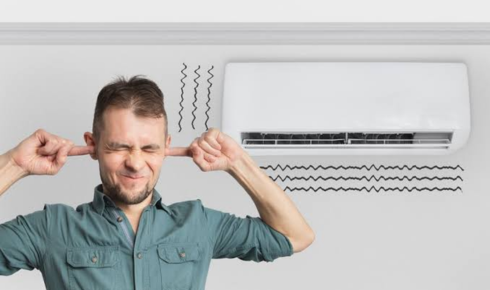
Every AC system makes some sound. A steady hum or gentle airflow is normal. But sharp, sudden, or unusual noises are worth noticing. Buzzing, grinding, banging, clicking, or hissing sounds can all suggest different problems.
A hissing noise may be connected to refrigerant escaping, pressure issues, or a leak somewhere in the system. Grinding could mean a motor or bearing problem. Banging might point to a loose or damaged component. The exact cause should be checked by a trained technician, because guessing from noise alone can be risky.
Weak Airflow Can Hide Bigger Issues
If some rooms cool well and others barely feel any airflow, the issue may not be the AC unit itself. It could involve dirty filters, blocked vents, duct leaks, blower motor problems, or poor system balance. Weak airflow makes the system work harder because it has to run longer to reach the temperature you want.
Related storyWhen Old Plumbing Starts Telling You It’s Time for a Change
Over time, that extra run time can increase energy use and wear down parts. It can also make the home feel uneven and uncomfortable, especially during hot afternoons when the system is already under pressure.
Short Cycling Is Another Red Flag
Short cycling happens when the AC turns on and off too frequently. Instead of completing a normal cooling cycle, it starts, stops, and starts again. This can be caused by a dirty filter, thermostat problems, refrigerant issues, electrical faults, or even an improperly sized system.
Besides being annoying, short cycling can be hard on the equipment. Motors and compressors are not meant to start repeatedly every few minutes. If the pattern continues, it’s worth getting help before the repair becomes more expensive.
Related storyChoosing the Right Water Treatment Installation: Why a Thoughtful Setup Makes All the Difference
Why Professional Diagnosis Matters
AC problems often look simple from the outside. The house is warm, so the AC must be broken. But inside the system, many parts work together: coils, fans, motors, capacitors, refrigerant lines, sensors, drains, wiring, and controls. One symptom can have several possible causes.
A professional inspection helps find the real issue instead of replacing parts at random. The technician can check refrigerant pressure, airflow, electrical readings, coil condition, thermostat operation, and safety concerns. That kind of testing saves time and usually leads to a better repair.
Maintenance Helps Prevent Surprises
Routine AC maintenance may not sound exciting, but it’s one of the easiest ways to avoid sudden cooling trouble. Cleaning coils, replacing filters, checking drains, tightening connections, and testing performance can help the system run more smoothly.
Related storyWhen Hard Water Becomes a Daily Problem, the Right Solution Matters
It also gives a technician a chance to notice small problems early. A weak capacitor, dirty coil, or minor airflow restriction is much easier to fix before the system fails during the hottest part of the day.
Don’t Wait Until Comfort Disappears
An air conditioner is one of those things you appreciate most when it stops working. But the warning signs usually show up first. Warm vents, frozen lines, strange noises, weak airflow, and short cycling are all clues that the system needs attention.
Taking action early can protect your comfort, lower the chance of emergency repairs, and help the AC last longer. When your cooling system starts acting strange, don’t just hope it sorts itself out. A little attention now can save a very uncomfortable day later.
Related storyWhat Homeowners Should Know Before Starting a Professional System Installation Project