Water is one of those things we tend to take for granted until it starts causing problems. As long as it flows from the tap, most of us assume everything is fine. But when dishes come out cloudy, showers leave skin feeling dry, or appliances begin showing signs of scale buildup, water suddenly becomes impossible to ignore.
The interesting thing is that water issues rarely arrive overnight. They build slowly. A little spotting on glassware. A slightly different taste. White residue around faucets. Maybe the coffee doesn’t taste quite right anymore. These small signs often point to larger water quality concerns happening behind the scenes.
Whether water comes from a municipal source or a private well, its condition can have a direct impact on comfort, efficiency, maintenance costs, and even the lifespan of household appliances. Understanding what is in your water—and addressing problems early—can make a remarkable difference in everyday life.
Related storyChoosing the Right Water Treatment Installation: Why a Thoughtful Setup Makes All the Difference
The Hidden Impact of Everyday Water
Most homeowners focus on visible water problems. Stains, odors, cloudiness, and buildup naturally grab attention. Yet many of the effects of poor water quality occur where people rarely look.
Minerals can accumulate inside water heaters. Sediment can settle in plumbing lines. Hard water can reduce the effectiveness of soaps and detergents. Over time, these issues create a domino effect that affects everything from energy efficiency to cleaning routines.
The challenge is that water can appear perfectly clear while still containing minerals and contaminants that create long-term problems. That’s why appearance alone isn’t always a reliable indicator of what is actually happening.
Related storyWhy Hard Water Affects More Than Your Plumbing: What Every Homeowner Should Know
A water test often reveals a very different story than what homeowners expect.
Understanding Why Water Changes
Water conditions are not fixed forever. Seasonal weather patterns, aging infrastructure, changes in groundwater conditions, and local treatment processes can all influence water quality over time.
Homeowners with private wells may notice changes after heavy rainfall or extended dry periods. Municipal water users might experience subtle differences when treatment facilities adjust processes or when infrastructure upgrades occur.
Because of these variables, many families choose to periodically improve water quality through testing and treatment rather than waiting until a major issue develops.
The goal is not perfection. It is reliability. Water should consistently meet the needs of the household without creating unnecessary maintenance or discomfort.
Related storyWhen Water Flow Slows Down, Your Home May Be Sending a Warning
Hard Water: A Common but Often Overlooked Issue
Hard water remains one of the most widespread household water concerns. It occurs when water contains elevated levels of calcium and magnesium minerals.
These minerals are naturally occurring, but they can create surprisingly frustrating problems. Soap doesn’t lather as easily. Shower doors develop stubborn spots. Faucets collect white deposits. Laundry may feel rougher after washing.
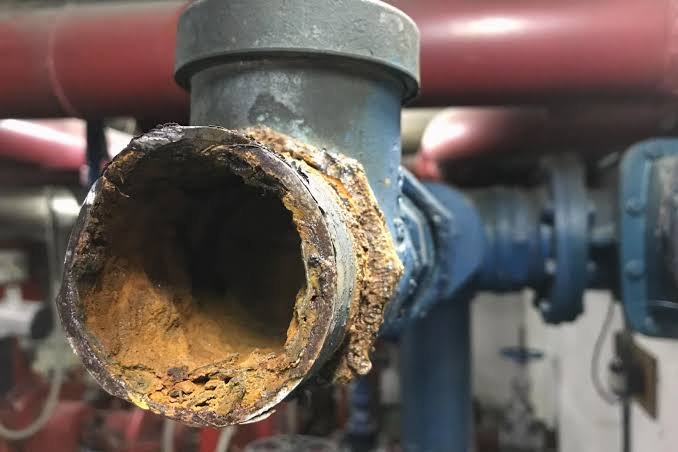
The effects extend beyond appearance. Hard water scale can build up inside pipes, water heaters, dishwashers, and washing machines. This buildup reduces efficiency and may contribute to increased maintenance expenses over time.
Related storyWhy Hard Water Leaves More Than Just Spots Behind
Many homeowners become accustomed to these symptoms without realizing how much water quality is influencing their daily routines.
Why Consistency Matters as Much as Quality
People often focus on whether water is good or bad. In reality, consistency is equally important.
Restaurants need consistent water for beverages. Hotels need reliable water for guest comfort. Families want predictable water for cooking, cleaning, and bathing. Even small fluctuations can affect taste, appliance performance, and cleaning results.
Related storyWhen Your Water Doesn’t Seem Right: Understanding Common Household Water Problems
Quality treatment systems help maintain consistency by stabilizing water conditions despite seasonal or environmental changes. Instead of experiencing ongoing variations, homeowners enjoy water that behaves the same way day after day.
That consistency becomes particularly valuable for households that depend on water-sensitive appliances such as coffee machines, steam ovens, humidifiers, and tankless water heaters.
Reliable water creates fewer surprises.
Choosing the Right Treatment Approach
One of the biggest misconceptions about water treatment is that a single filter can solve every problem. Water treatment works best when it is tailored to the specific conditions present in the home.
For example, sediment issues require a different solution than hardness. Iron staining needs different treatment than chlorine taste. Sulfur odors require a different approach altogether.
That is why professional testing is often recommended before investing in equipment.
Once the source of the problem is identified, treatment becomes far more effective. Homeowners can avoid unnecessary purchases and focus on solutions that address the actual issue rather than the symptom.
The Role of Water Softening Systems
For households dealing with hardness, water softening systems remain one of the most effective solutions available. These systems reduce the calcium and magnesium minerals responsible for scale formation and many common hard water complaints.
The benefits often become noticeable quickly.
Soap lathers more easily. Dishes appear cleaner. Shower surfaces require less scrubbing. Laundry feels softer. Water heaters may operate more efficiently because scale buildup is reduced.
Perhaps most importantly, softened water helps protect plumbing and appliances from the gradual wear caused by mineral accumulation.
Many homeowners are surprised by how much easier routine cleaning becomes after installing a properly sized water softener.
Looking Beyond Drinking Water
When people think about water treatment, they often focus exclusively on drinking water. While drinking water is certainly important, water quality affects nearly every part of the home.
Showers, bathtubs, washing machines, dishwashers, irrigation systems, water heaters, and plumbing fixtures all interact with water daily. Problems in any of these areas can create inconvenience and additional expense.
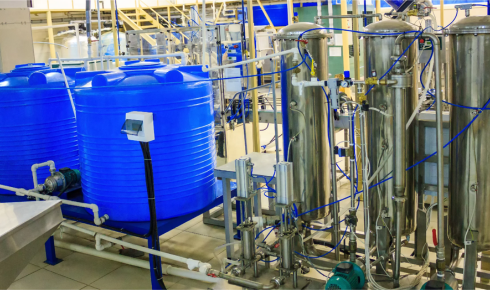
Whole-home treatment solutions are designed to address water concerns throughout the entire property rather than at a single faucet. Depending on the water analysis, this may involve filtration, softening, conditioning, or a combination of technologies.
The best approach depends on the home’s unique needs.
Maintenance Should Be Predictable
A good water treatment system should simplify life, not complicate it.
Routine maintenance is necessary for any treatment equipment, but modern systems are designed to be manageable. Filter replacements, salt replenishment, and periodic inspections help ensure continued performance without creating constant work for the homeowner.
When systems are properly sized and maintained, they often provide years of dependable service with minimal disruption.
That reliability is one reason why many families view water treatment as a long-term investment rather than a short-term fix.
Better Water Creates a Better Everyday Experience
At its core, water treatment is not really about equipment. It is about daily life.
It is about taking a shower without dealing with scale buildup. It is about cleaner dishes, softer laundry, and water that tastes the way it should. It is about protecting appliances that represent significant investments. It is about reducing frustration and increasing comfort.
Most people don’t think about water when everything is working properly. In many ways, that is the ultimate goal.
When water quality is consistent, reliable, and suited to the needs of the home, it quietly supports countless daily activities without demanding attention. And honestly, that kind of peace of mind is worth more than many homeowners realize.