Bottled water has a way of sneaking into daily life. At first, it feels convenient. You grab a case at the store, keep a few bottles in the fridge, toss one in the car, and carry on. In an office, someone orders big jugs or stacks plastic bottles near the break room. It solves the problem for the moment, so nobody questions it too much.
But after a while, the habit starts to look less simple. Empty bottles pile up. Storage space disappears. Deliveries need tracking. Costs keep coming back. And if you run out at the wrong time, suddenly everyone remembers how much they depend on it.
Clean drinking water should not require that much effort, waste, or repeat spending. For homes and businesses, switching to a smarter filtered water setup can make hydration easier, cleaner, and more sustainable without making daily life complicated.
Related storyWhy a Good Water Cooler Still Matters at Home and Work
Why Bottled Water Became the Default
People often turn to bottled water because their tap water does not taste good. Maybe it smells like chlorine. Maybe it tastes flat, metallic, or a little earthy. Maybe there are old pipes involved, or maybe nobody knows the real reason. Bottled water feels like a quick escape from all that.
In workplaces, bottled water also feels predictable. It arrives, people drink it, and the system continues. But predictable does not always mean efficient. Someone still has to order, store, lift, replace, recycle, and pay for it again next month.
That is where filtered water systems, bottleless coolers, and point-of-use drinking water solutions start to make more sense. They treat the water where it is used, instead of depending on constant plastic bottles or heavy jugs.
Related storyWhen Your Water Doesn’t Seem Right: Understanding Common Household Water Problems
A More Sustainable Everyday Choice
The environmental side is hard to ignore. Single-use plastic bottles may be recyclable in theory, but in real life, plenty never make it that far. They end up in bins, cars, offices, landfills, and sometimes places they absolutely should not be. Even bottled water delivery has a footprint because water is heavy to transport.
Choosing eco friendly hydration is not about being perfect or dramatic. It is about making one practical change that reduces waste every day. When people can fill reusable bottles from a filtered water station, they naturally use fewer disposable bottles.
For an office, that can mean hundreds or thousands fewer bottles over time. For a family, it means less plastic in the kitchen, less recycling to manage, and fewer last-minute trips to the store.
Better Water Encourages Better Habits
People drink more water when it tastes good and is easy to access. That sounds simple, but it matters. If the tap water tastes unpleasant, many people reach for soda, juice, coffee, or packaged drinks instead. If bottled water is the only “good” option, hydration depends on whether bottles are available.
Related storyA Closer Look at Whole-Home Reverse Osmosis and Smarter Water Treatment
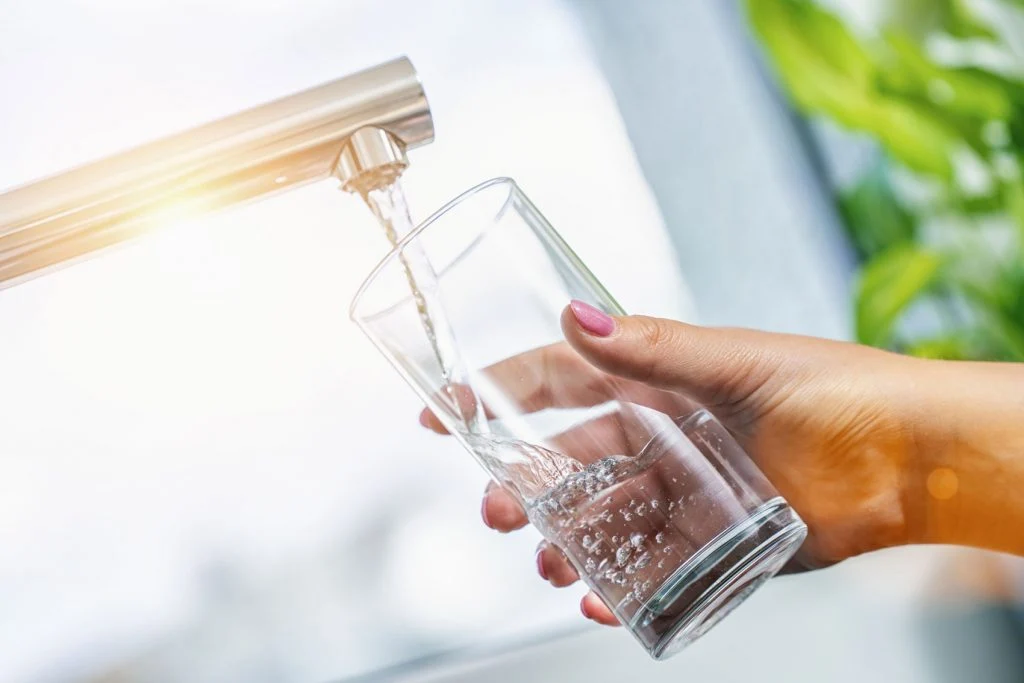
A filtered drinking water setup changes that. Fresh water is ready whenever someone wants it. In a workplace, staff can refill during meetings, after lunch, or before leaving for the day. At home, kids can fill school bottles, adults can make coffee, and everyone stops asking, “Did anyone buy water?”
Good water does not need to be fancy. It just needs to be available and pleasant enough that people actually drink it.
Where the Savings Start to Show
Bottled water feels inexpensive when you buy one case. The real cost appears over months and years. Cases, cooler bottles, delivery fees, storage, handling, and wasted half-finished bottles all add up quietly.
Related storyWhy Investing in Drinking Water Filtration Can Transform Everyday Life at Home
A filtered system can bring real cost savings, especially in busy homes, offices, gyms, clinics, schools, and commercial spaces where water is used throughout the day. Instead of paying repeatedly for packaged water, you invest in a system that filters the existing supply.
There is still maintenance, of course. Filters need replacing, systems need service, and the equipment must be kept clean. But the ongoing cost is often easier to manage than endless bottled water purchases and deliveries.
Cleaner Spaces, Less Clutter
Anyone who has managed an office kitchen knows how quickly bottled water creates clutter. Full cases under tables. Empty bottles in bins. Large jugs stacked near coolers. Cardboard packaging waiting to be thrown out. It can make even a clean space feel messy.
At home, the problem is similar. Bottles take up fridge space. Pantry shelves get crowded. Empty plastic collects faster than expected.
Related storyWhy Better Water Quality Matters More Than You Might Think
A bottleless water system or filtered station creates a cleaner routine. People fill glasses and reusable bottles instead of opening disposable ones. The break room looks neater. The kitchen feels less crowded. It is a small change, but the space feels better.
Why Water Quality Still Matters
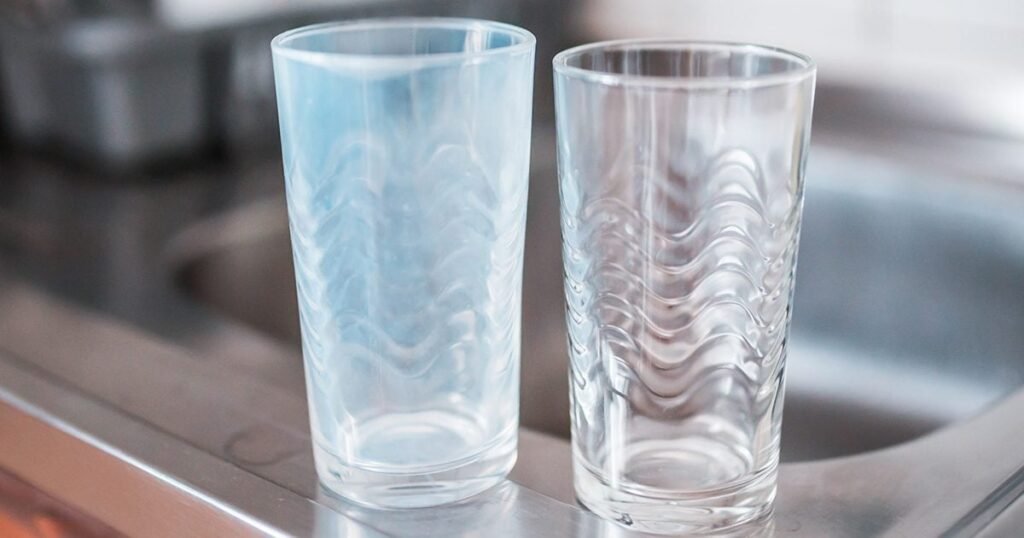
Moving away from bottled water only works if the replacement water tastes good. That is why testing and proper filtration are important. If the water has chlorine taste, sediment, hardness, iron, or other issues, the system should be chosen to match those conditions.
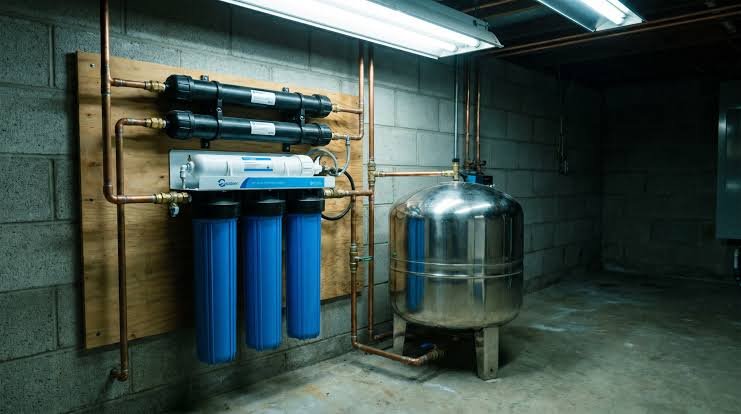
A carbon filter may help with taste and odour. Sediment filtration can catch particles. Reverse osmosis may be useful for drinking water when deeper reduction is needed. Offices may need high-capacity coolers, while homes may prefer under-sink systems.
The best setup is not always the most expensive one. It is the one that fits the water, the space, and the number of people using it.
Living With No Bottled Water Feels Easier Than Expected
Many people assume giving up bottles will be inconvenient. Usually, the opposite happens. With no bottled water to buy, store, lift, chill, or throw away, daily routines become simpler. You refill a reusable bottle and move on.
In a workplace, staff do not have to wait for deliveries or change heavy cooler jugs. At home, nobody has to carry cases from the car. Guests can still get fresh water. Kids can still pack bottles. Coffee still tastes good. The difference is that the waste and repeat hassle are gone.
A Practical Upgrade for Homes and Businesses
Better drinking water should feel easy. It should support healthier habits, reduce plastic waste, save money over time, and keep the space cleaner. A well-chosen filtered water system can do all of that quietly in the background.
Start with the water you have. Test it, understand what needs improving, and choose a system that fits your daily use. Once the right setup is in place, the old bottled-water routine starts to feel unnecessary.
Fresh water from a reliable system is simpler, cleaner, and easier to live with. And sometimes that is exactly what a good upgrade should be.