Most homeowners notice plumbing problems only when something stops working properly. A shower turns weak. A faucet takes longer to fill a pot. The dishwasher leaves dishes cloudy. The washing machine sounds like it is working harder than usual. At first, these things feel like minor annoyances, easy to blame on age or daily wear.
But sometimes the real issue is hidden inside the water itself. Minerals, sediment, and buildup can collect slowly over time, affecting pipes, appliances, fixtures, and the overall comfort of the home. Water may look clear when it comes from the tap, but that does not mean it is harmless to the plumbing system.
Small Changes in Water Flow Matter
A slow faucet or weak shower is easy to ignore, especially when it happens gradually. People adjust without thinking. They turn the handle higher, wait longer for the tub to fill, or assume the showerhead is just old.
Related storyWhen Hard Water Becomes a Daily Problem, the Right Solution Matters
But restricted water flow can be an early sign that deposits are collecting somewhere in the system. It might be inside the faucet aerator, the showerhead, a valve, or deeper inside the plumbing. Hard minerals and sediment can narrow openings little by little until the difference becomes obvious.
The problem is not always dramatic. That is exactly why it is worth catching early.
Why Pipes Collect Buildup Over Time
Water carries more than most people realize. Depending on the source, it may contain minerals like calcium and magnesium, small particles of sediment, iron, or other elements. When water heats, evaporates, or sits in certain areas, some of those materials can settle and stick.
Over months and years, deposits may form inside pipes and fixtures. This is especially common in homes with hard water. The inside of the plumbing slowly becomes less open, which can reduce pressure and make water-using systems work less efficiently.
The homeowner may only see the symptoms: weak flow, clogged fixtures, cloudy dishes, or repeated cleaning problems.
Related storyWhy Investing in Drinking Water Filtration Can Transform Everyday Life at Home
The Frustration of Clogged Plumbing
Nobody wants to deal with clogged pipes, especially when the issue seems to return after temporary fixes. While hair, grease, and debris are common causes of clogs, mineral deposits can also play a role in narrowing passages and creating rough surfaces where more debris collects.
This can affect kitchen sinks, bathroom fixtures, showerheads, and appliance connections. In some cases, buildup does not fully block water but slows it down enough to become irritating. That slow drain, weak spray, or stubborn faucet may be part of a bigger water quality issue.
Ignoring it can turn a small inconvenience into a more expensive repair later.
How Appliances Take the Hit
Water heaters, dishwashers, washing machines, ice makers, and coffee makers all rely on water moving freely through small parts. When minerals or sediment build up, performance can drop. A dishwasher may not rinse well. A water heater may lose efficiency. A washing machine may struggle to clean properly.
Over time, poor water conditions can contribute to appliance damage by creating extra strain on internal components. Scale can coat heating elements, clog valves, and reduce performance. Sediment can interfere with flow. Hard water can leave residue that makes machines work harder than they should.
These problems often build quietly, so homeowners may not connect them to water quality right away.
Related storyWhy Hard Water Leaves a Mark on Everyday Life
The Water Heater Is Especially Vulnerable
A water heater deals with minerals every single day, especially in hard water areas. As water heats, minerals separate more easily and settle inside the tank or onto heating elements. This buildup can reduce heating efficiency and may create popping or rumbling noises.
When a heater has to work through layers of mineral scale, it may use more energy and take longer to deliver hot water. That adds cost and stress to the system.
Regular maintenance helps, but improving water quality can reduce the amount of mineral pressure the heater faces in the first place.
Related storyWhy Hard Water Leaves More Than Just Spots Behind
Fixtures Show the First Clues
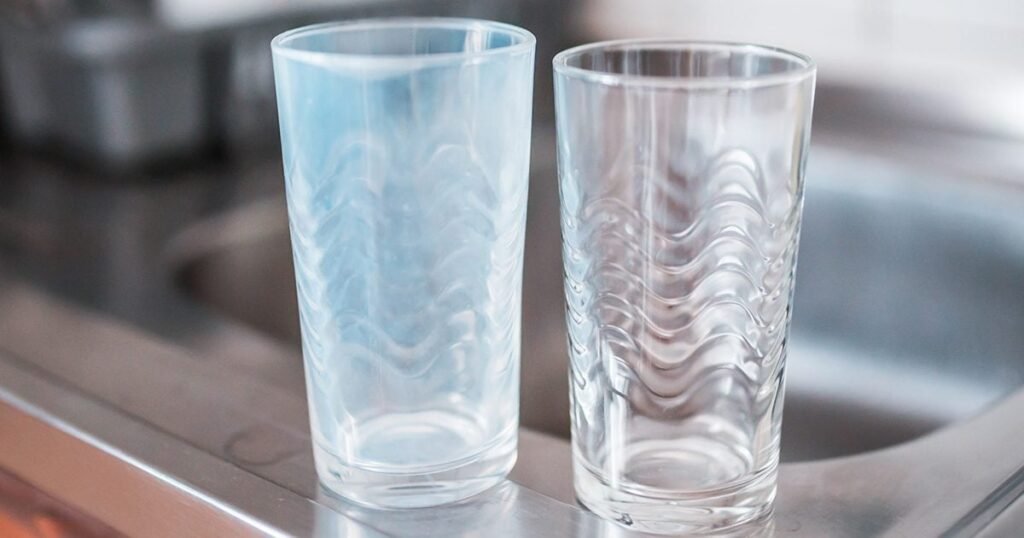
Faucets and showerheads often reveal water problems before larger systems do. White crust around the faucet, uneven shower spray, clogged aerators, and cloudy glass can all suggest mineral-heavy water.
These signs are useful because they are visible. If buildup is appearing on the outside of fixtures, similar deposits may also be forming in places homeowners cannot see.
That does not mean panic is needed. It simply means the water deserves attention.
Testing Before Choosing a Fix
Before replacing fixtures or assuming the plumbing is failing, homeowners should test the water. Testing can show whether the main issue is hardness, sediment, iron, pH imbalance, or another concern. Without that information, it is easy to spend money on the wrong solution.
Related storyChoosing the Right Water Treatment Installation: Why a Thoughtful Setup Makes All the Difference
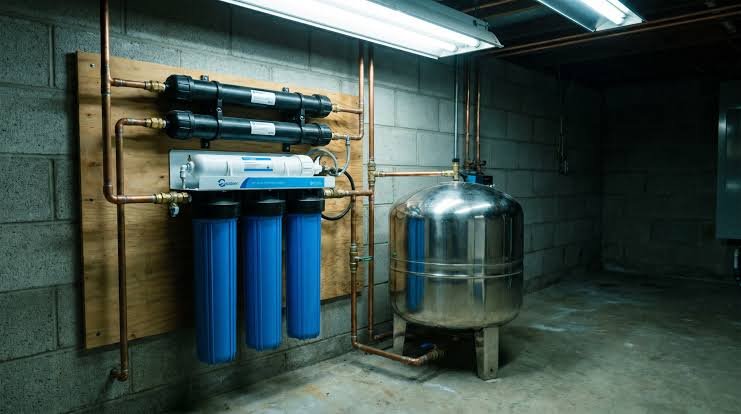
A water softener may help with hardness. Sediment filtration may protect fixtures and appliances from particles. Other treatment options may be needed if iron, odor, or drinking water concerns are present.
The right solution depends on the actual water, not guesswork.
Better Water Helps the Whole Home Work Smoother
When water quality improves, the results often show up in practical ways. Fixtures may stay cleaner. Showerheads may clog less often. Appliances may work with less strain. Dishes may rinse better. Laundry may feel cleaner. Hot water systems may operate more efficiently.
It is not the kind of upgrade guests always notice. But homeowners notice it because daily routines become easier. Less waiting. Less scrubbing. Fewer repeat clogs. Fewer questions about why things are not working like they should.
That kind of quiet improvement is valuable.
Maintenance Still Matters
Even with better water, a home still needs maintenance. Filters must be changed. Water heaters should be serviced. Drains need care. Appliances should be cleaned according to manufacturer guidance. Water treatment reduces many problems, but it is not magic.
The best approach is prevention plus maintenance. Test the water, treat what needs treating, and keep the system cared for over time.
A Small Warning Worth Taking Seriously
Slow water flow, recurring clogs, and struggling appliances are not always random household problems. Sometimes they are clues that minerals or sediment are building up where they do not belong.
Paying attention early can help homeowners protect plumbing, improve appliance performance, and avoid bigger frustrations later. Water runs through so much of the house that its quality matters more than most people think.
A simple water test and the right treatment plan can make the whole home feel easier to manage, one faucet, one shower, and one appliance at a time.