The Everyday Water Problems Homeowners Shouldn’t Ignore
Water Is Easy to Trust Until Something Changes
Most of us have a simple relationship with water. We turn on the faucet expecting it to work, fill a glass without thinking twice, and move on with our day. Water quietly supports almost every part of modern life, from morning coffee to evening showers.
That’s why even small changes can feel surprisingly unsettling.
Maybe the water develops an unusual smell. Perhaps your bathroom fixtures never seem completely clean, no matter how much scrubbing you do. Or maybe your favorite white shirt comes out of the wash looking a little less white each time.
The truth is, water quality issues rarely arrive all at once. They tend to show up as little clues scattered throughout the home. Individually, they’re easy to dismiss. Together, they often tell a much bigger story.
The Hidden Journey Water Takes
Before water reaches your faucet, it has usually traveled quite a distance.
Groundwater moves through layers of soil, rock, and sediment. Municipal water passes through treatment facilities and extensive distribution systems. Along the way, water naturally picks up minerals, gases, and other characteristics that influence how it looks, tastes, and behaves.
This is one reason water quality varies so much from one location to another.
A homeowner in one neighborhood may struggle with mineral deposits, while someone a few miles away deals with completely different concerns. Water has a way of reflecting the environment it comes from.
Understanding that fact helps explain why water problems can be surprisingly unique.
When Hard Water Becomes Part of Daily Life
One of the most common household complaints involves hard water.
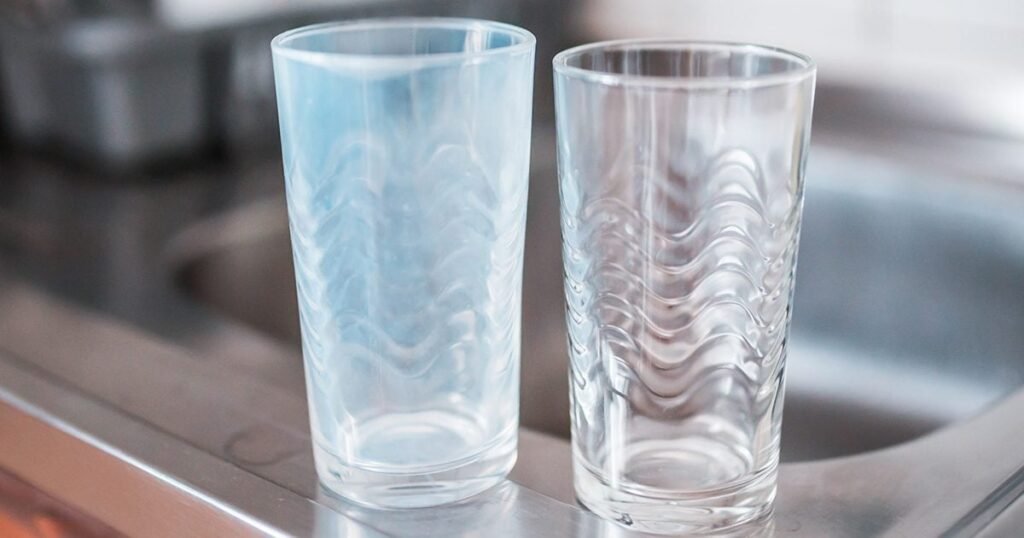
At first, the symptoms seem relatively harmless. Soap doesn’t lather quite as easily. Dishes appear cloudy after washing. Shower doors develop a stubborn film that keeps returning no matter how often they’re cleaned.
Many homeowners simply accept these annoyances as normal.
The reality is that hard water contains elevated levels of naturally occurring minerals, usually calcium and magnesium. While these minerals aren’t necessarily harmful, they can create ongoing maintenance challenges throughout a home.
Over time, mineral deposits may accumulate inside plumbing systems, appliances, and water heaters, reducing efficiency and increasing wear.
What starts as a minor inconvenience can gradually become a more expensive issue.
Why Smells Matter More Than People Think
Humans are remarkably sensitive to odor.
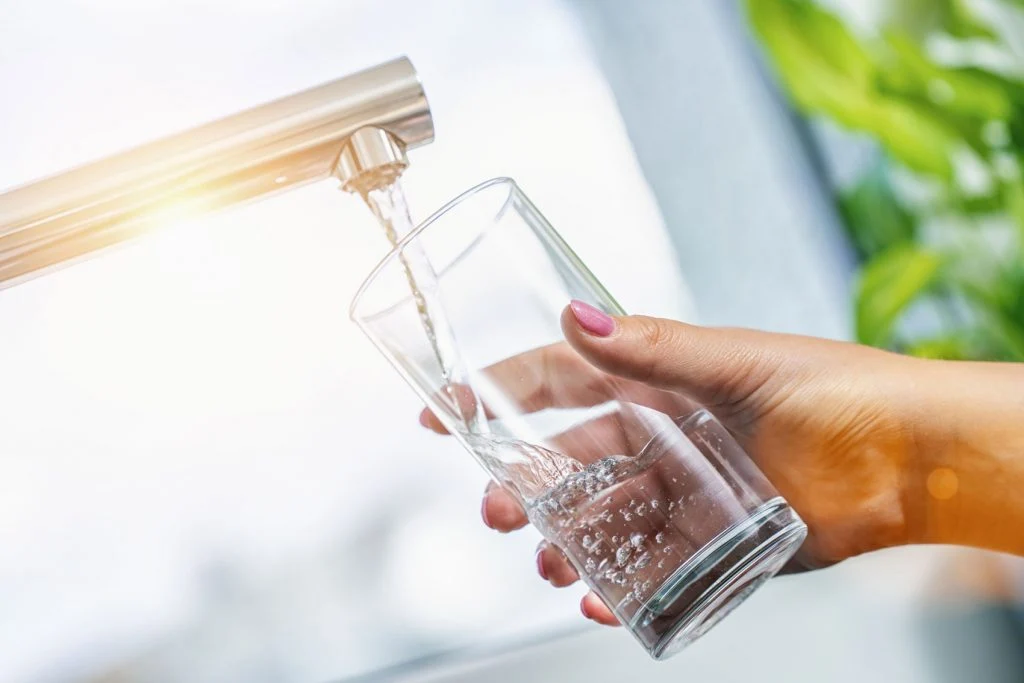
A glass of water can look perfectly clear, but if it smells unusual, most people immediately question its quality. That’s a natural reaction. Smell plays a major role in how we evaluate the things we consume.
For many homeowners, smelly water becomes the first sign that something deserves attention.
The source may be naturally occurring sulfur compounds, bacterial activity, plumbing conditions, or other water-quality factors. In some cases, the smell is strongest in hot water. In others, it’s noticeable throughout the entire house.
Regardless of the cause, unusual odors rarely improve on their own. Identifying the source is usually the first step toward finding an effective solution.
The Stains That Keep Coming Back
Few household frustrations are as persistent as mysterious stains.
You clean the sink. A week later, the discoloration returns. You scrub the toilet bowl. The marks eventually reappear. It becomes a cycle that feels impossible to break.
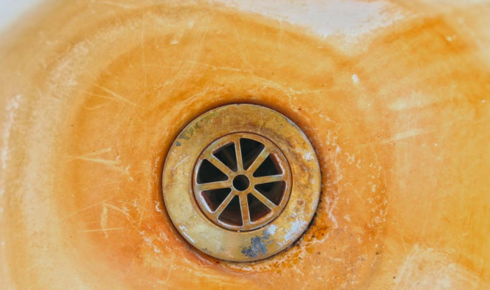
In many cases, iron stains are responsible.
Water containing elevated iron levels can leave reddish-brown marks on fixtures, tubs, sinks, and even laundry. The stains themselves aren’t usually difficult to identify, but they can be surprisingly difficult to eliminate permanently.
The reason is simple: cleaning removes the visible evidence, but the source remains in the water.
Unless the underlying issue is addressed, the staining often continues.
Why Guessing Can Become Expensive
One mistake homeowners frequently make is trying to solve water problems based solely on symptoms.
It’s understandable. Most people aren’t water experts, and online advice is everywhere. Someone recommends a filter. Another suggests a cleaning product. Before long, money is being spent without a clear understanding of what’s actually wrong.
Sometimes these solutions work.
Sometimes they don’t.
The challenge is that similar symptoms can have very different causes. Cloudy water, unusual odors, staining, and appliance performance issues often overlap.
Professional testing provides clarity.
Instead of guessing, homeowners gain specific information about the characteristics of their water. That information makes it much easier to choose an effective treatment strategy.
Water Affects More Than Drinking
When people hear the phrase “water quality,” they often think only about drinking water.
But water influences much more than what ends up in a glass.
It affects laundry results, dishwashing performance, personal comfort, plumbing maintenance, and appliance longevity. Water heaters, washing machines, coffee makers, and dishwashers all interact with water every day.
When water quality declines, those systems often feel the impact long before homeowners recognize the connection.
That’s why improving water quality frequently creates benefits throughout the entire household.
Sometimes the difference is subtle. Other times, it’s immediately noticeable.
The Value of Preventive Maintenance
Water systems are a lot like vehicles. They perform best when problems are addressed early rather than ignored.
Routine testing, regular inspections, and timely maintenance can help identify concerns before they become larger and more expensive. A small adjustment today may prevent a major repair tomorrow.
Unfortunately, many homeowners wait until a problem becomes impossible to ignore.
By that point, the solution may require more effort and expense than necessary.
Prevention rarely feels urgent, but it’s often the smartest approach.
Every Home Has Different Needs
One of the reasons water treatment can feel confusing is that there’s no universal answer.
The ideal solution for one household may be completely unnecessary for another. Local geology, water sources, plumbing systems, and usage patterns all influence the type of treatment that makes sense.
That’s why personalized recommendations based on testing tend to produce the best results.
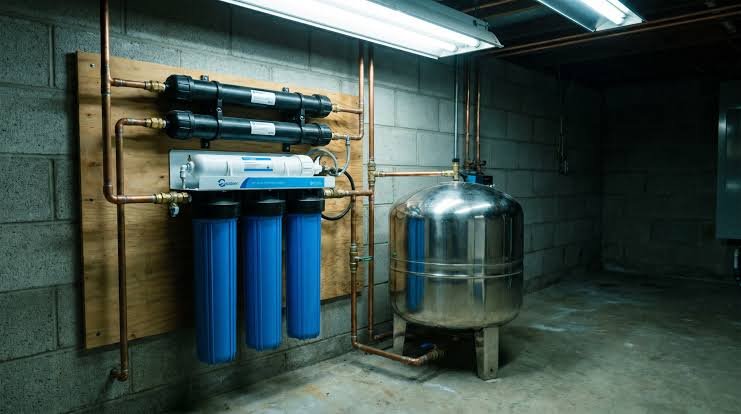
Good water treatment isn’t about buying the most equipment.
It’s about understanding the water and addressing the specific issues that matter.
Final Thoughts
Water touches nearly every part of daily life, yet it’s often one of the last household systems people think about until a problem appears.
Whether the issue involves odors, stains, mineral content, or general performance concerns, paying attention to the warning signs can save time, money, and frustration in the long run.
The encouraging news is that most water problems have practical solutions. The key is identifying the cause before jumping to conclusions.
At the end of the day, water should make life easier, not more complicated. When it’s clean, reliable, and performing as expected, it quietly fades into the background—and honestly, that’s exactly where good water belongs.