Water is one of those business essentials that rarely gets attention until something goes wrong. It runs through restaurants, offices, hotels, manufacturing spaces, schools, clinics, laundries, coffee shops, and countless other places without making much noise. Staff use it. Customers experience it. Equipment depends on it. And yet, for many businesses, water quality sits somewhere near the bottom of the maintenance list.
That can be a costly mistake.
When water is poor, inconsistent, or overloaded with minerals and unwanted substances, it doesn’t just affect taste. It can damage appliances, create stains, increase cleaning time, affect product quality, and quietly raise operating costs. In some industries, water quality can even influence customer trust. A cloudy glass in a restaurant, a bad-tasting cup of coffee, or mineral stains in a hotel bathroom may seem small, but people notice these things. They may not complain, but they remember.
Water Quality Is a Business Issue, Not Just a Plumbing Issue
For homes, water quality is mostly about comfort and health. For businesses, it becomes part of operations. A café needs water that supports good coffee and clean ice. A hotel needs showers, laundry, and fixtures that stay presentable. A medical or dental office may need more controlled water quality for equipment. A manufacturing facility may need consistent water conditions to protect processes and machinery.
Related storyWhen Water Flow Slows Down, Your Home May Be Sending a Warning
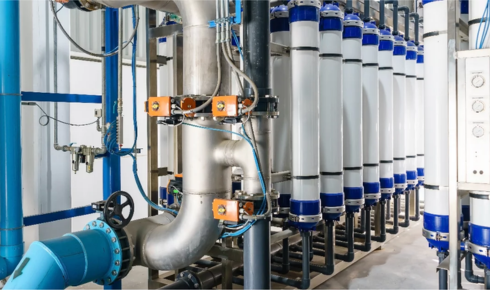
This is where commercial water treatment becomes more than a nice upgrade. It is a practical system designed to help businesses manage the specific water challenges they face every day. That may include hardness, chlorine taste and odor, sediment, iron, scale buildup, or other issues depending on the location and water source.
The important thing is that commercial systems are not one-size-fits-all. A small office does not need the same setup as a restaurant kitchen. A car wash has different demands than a hotel. A business that uses water as part of its final product will naturally need more careful planning than one that only uses water for restrooms and cleaning.
The Problems You Can See — and the Ones You Can’t
Some water problems are obvious. White scale around faucets. Spots on glassware. Orange stains in sinks. Cloudy ice. Bad smells. Laundry that doesn’t feel fresh. These are visible signs that something in the water is interfering with daily use.
Other issues are hidden. Minerals can collect inside water heaters, boilers, dishwashers, coffee machines, ice makers, steam equipment, and pipes. Scale buildup can reduce flow, force equipment to work harder, and increase energy use. Over time, that can mean more repairs, more downtime, and earlier replacement costs.
Related storyWhy the Water in Your Glass Deserves More Attention
For a business, downtime matters. If an ice machine fails during a busy weekend, that’s not just annoying. It affects service. If laundry equipment struggles at a hotel or salon, staff lose time. If a coffee machine needs constant descaling, productivity takes a hit. These small water-related headaches can slowly become part of the budget without anyone connecting the dots.
Cleaner Water Helps Protect the Customer Experience
Customers often judge a business by details. The taste of water served at a table. The appearance of restrooms. The smell of towels. The shine of glassware. The quality of beverages. Even when the main service is excellent, poor water can leave a negative impression.
That’s why contaminant reduction matters for many commercial spaces. It helps improve the quality and consistency of the water used across the business. Depending on the system, this may involve reducing sediment, chlorine, unpleasant tastes, odors, certain dissolved substances, or other unwanted materials that affect water performance.
This is not about making dramatic claims or scaring business owners. It’s about control. Better water gives a business more predictable results. Coffee tastes more consistent. Ice looks cleaner. Fixtures stay nicer for longer. Staff spend less time fighting stains and buildup. Customers experience a space that feels cleaner, even if they never know why.
Related storyHow Better Water Management Supports Safer, More Efficient Industrial Operations
Choosing the Right Treatment Starts With Testing
The smartest first step is water testing. Without it, choosing a water treatment system becomes guesswork. And guesswork can get expensive.
A water test can show whether the main problem is hardness, chlorine, sediment, iron, total dissolved solids, pH imbalance, or something else. Once those details are clear, a business can choose a system that actually matches its needs. Sometimes that means a softener. Sometimes a carbon filtration system. Sometimes sediment filtration. Sometimes a more advanced setup.
It is also worth looking at how much water the business uses and where it matters most. Does every tap need treatment, or only specific equipment? Is the goal better taste, equipment protection, cleaner laundry, or process consistency? A good plan starts with those questions.
Related storyWhy Smart Businesses Are Taking a Closer Look at Their Water Systems
Where Reverse Osmosis Fits In
For businesses that need highly refined water, reverse osmosis can be a strong option. It is commonly used to reduce dissolved solids and improve water quality for applications where taste, clarity, and consistency matter. Restaurants, cafés, laboratories, certain healthcare settings, and some production environments may use it as part of a broader treatment approach.
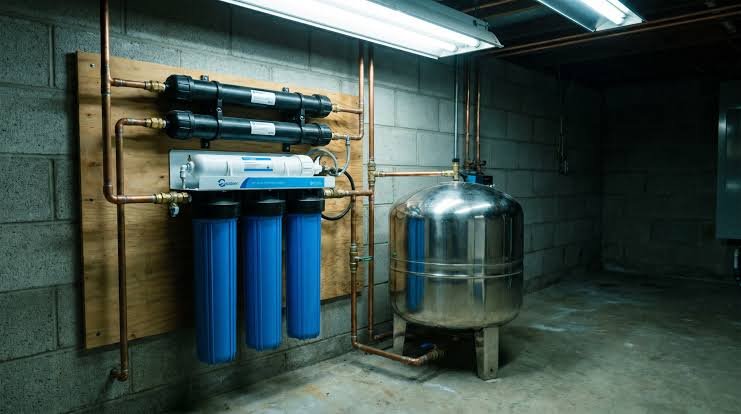
Still, it is not always the answer for every business. Reverse osmosis systems require correct sizing, pre-filtration, maintenance, and sometimes storage tanks depending on demand. If the system is too small, it may not keep up. If it is not maintained, performance can drop. Like any useful equipment, it works best when planned properly from the beginning.
This is why businesses should avoid choosing a system based only on price or a quick online recommendation. Water treatment should fit the building, the water source, the equipment, and the daily workflow.
Maintenance Is Where Long-Term Value Comes From
Installing a system is only half the story. Filters need changing. Softener salt may need checking. Membranes, cartridges, and valves need periodic attention. Commercial systems often work harder than residential ones, so routine service matters.
Related storyChoosing the Right Water Treatment Installation: Why a Thoughtful Setup Makes All the Difference
A poorly maintained system can become inefficient or fail at the worst possible time. On the other hand, a well-maintained system can quietly support daily operations for years. It may help reduce equipment strain, improve customer-facing details, and give business owners fewer surprise problems to deal with.
Water Quality Is Part of Professional Standards
Good water does not always get compliments. Customers may not say, “Wow, this ice is clear,” or “These glasses look nicely rinsed.” But they do notice when things feel off. Staff notice too, especially when they are the ones cleaning stains, descaling equipment, or handling complaints.
For businesses, better water is about more than filtration. It is about reliability, presentation, efficiency, and protecting the things that keep the business running. The right system can make daily work smoother in ways that are easy to overlook but hard to live without once problems begin.
In the end, water is not just a utility bill. It is part of the customer experience, the maintenance plan, and the overall quality of the workplace. Treat it like an asset, and it tends to return the favor quietly, every single day.