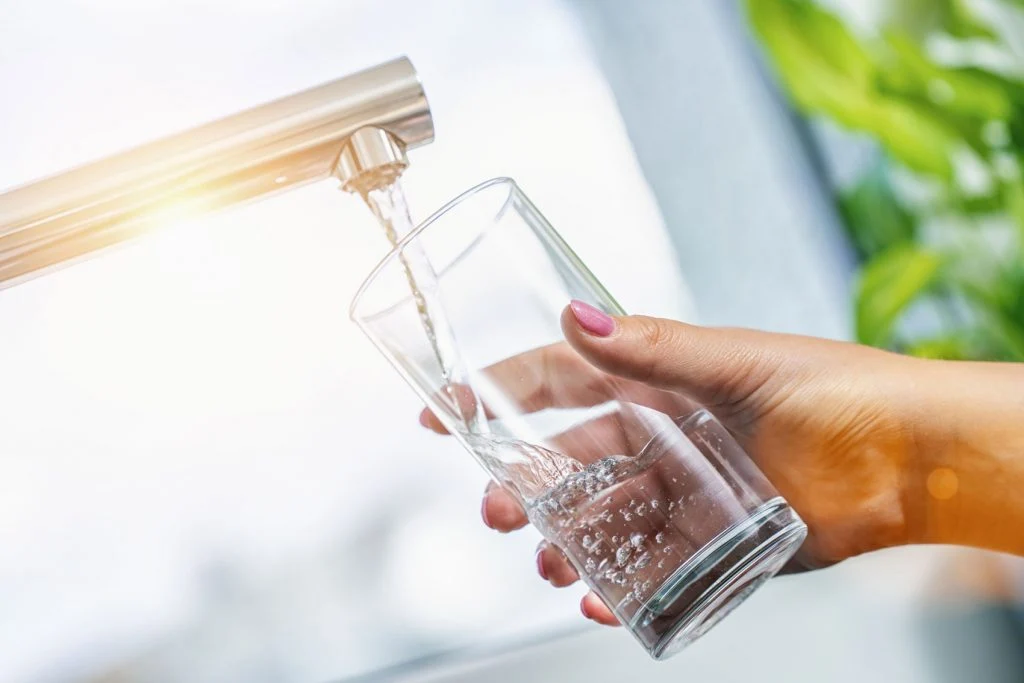
There’s a small kind of peace in pouring a glass of water and not thinking twice about it. No odd smell. No strange taste. No cloudy swirl catching the light. Just clean, fresh water that feels normal in the best possible way. Most of us don’t appreciate that feeling until something changes.
Maybe the coffee starts tasting dull. Maybe ice cubes carry a faint chemical smell. Maybe the kids complain that the water tastes “weird,” which, to be fair, is not exactly a scientific report but still worth listening to. Water is part of everything at home — cooking, drinking, brushing teeth, making tea, filling pet bowls, rinsing fruit. When it feels off, daily life feels a little off too.
That’s why many homeowners eventually start looking beyond basic tap water and asking what kind of system could make their water more reliable, pleasant, and safe for everyday use.
Related storyA Closer Look at Whole-Home Reverse Osmosis and Smarter Water Treatment
Why Home Water Deserves More Attention
Water can look perfectly clear and still contain things that affect taste, smell, hardness, or overall quality. Chlorine, sediment, dissolved minerals, metals, organic compounds, and other substances may not always be obvious at first glance. Some are mostly nuisance issues. Others deserve closer attention, especially if they affect drinking and cooking water.
This is where drinking water systems become useful. They are designed to improve the water used most directly by the family, usually at the kitchen sink, refrigerator, or another main drinking point. Instead of treating every drop in the house, these systems focus on the water people actually consume.
That targeted approach makes sense for many homes. Not every water issue requires a large whole-house setup. Sometimes the biggest concern is simply making the water in your glass taste better and feel more trustworthy.
The Difference Between Whole-Home and Point-of-Use Solutions
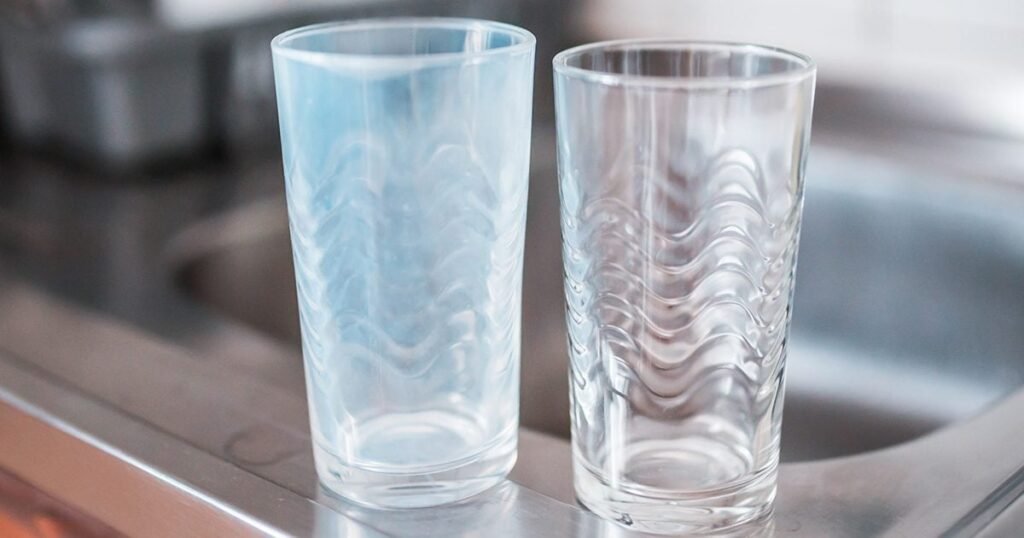
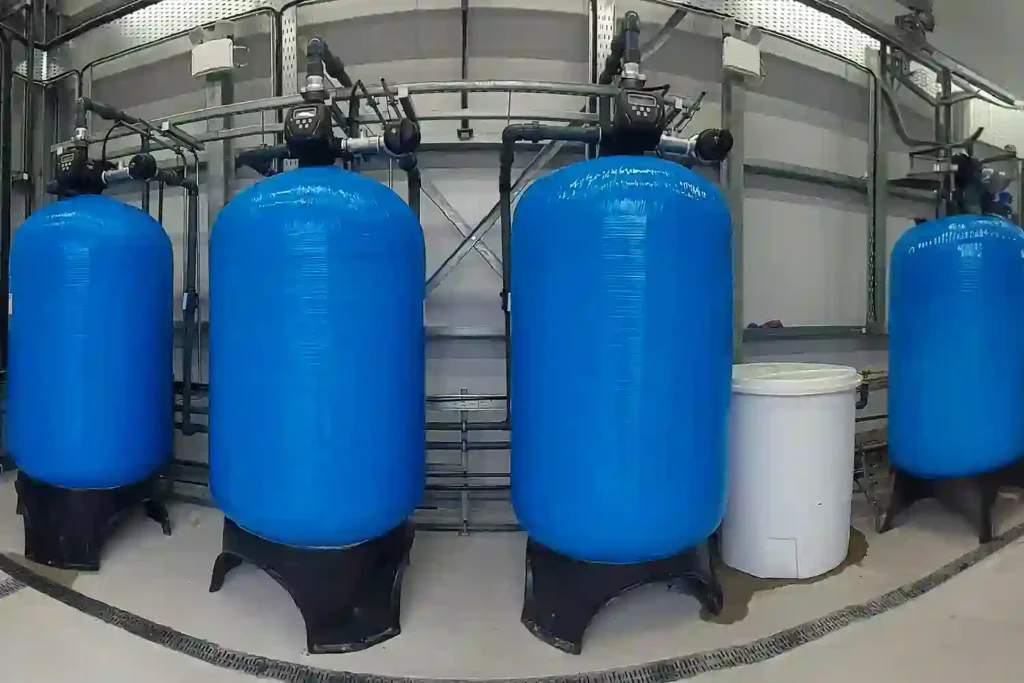
A whole-home system treats water as it enters the house. This can be helpful when problems affect showers, laundry, toilets, appliances, and plumbing. Hard water, for example, often needs a whole-home solution because it leaves scale everywhere — on fixtures, inside water heaters, in dishwashers, and across shower glass.
Related storyChoosing the Right Water Treatment Installation: Why a Thoughtful Setup Makes All the Difference
Point-of-use systems are different. They treat water at one specific location, usually under the kitchen sink. These are often chosen for drinking, cooking, coffee, tea, baby formula, and ice. They may not change the water in the shower or washing machine, but they can make a big difference where it matters most.
The right choice depends on the problem. If your laundry feels stiff and the showerhead clogs every few months, you may need broader treatment. If the main issue is taste at the tap, a focused drinking water solution may be enough.
Why Testing Comes Before Choosing a System
It’s tempting to buy a filter based on a label, a neighbor’s recommendation, or a quick online review. And sometimes that works. But water is local. Two homes on the same street can have different water conditions because of plumbing age, pipe materials, water heaters, private wells, or even how water travels through the property.
Related storyWhy the Water in Your Glass Deserves More Attention
Testing helps remove the guesswork. A good water test may look for hardness, pH, chlorine, lead, iron, manganese, nitrates, bacteria, total dissolved solids, and other concerns depending on the source. For private well owners, testing is especially important because the homeowner is usually responsible for monitoring the supply.
Once you know what is actually in the water, choosing a system becomes much easier. You stop shopping based on fear and start shopping based on facts. That alone can save money.
Where Reverse Osmosis Fits In
For many households, reverse osmosis is one of the most recognised options for improving drinking water. These systems use a semi-permeable membrane to reduce many dissolved substances that ordinary filters may not fully address. They are often installed under the sink and connected to a separate faucet for drinking and cooking water.
People often like the taste because it can feel clean and crisp, especially in areas where tap water has high dissolved solids or a noticeable mineral taste. It can also be helpful when testing shows certain contaminants that the system is designed to reduce.
Related storyWhy Investing in Drinking Water Filtration Can Transform Everyday Life at Home
Still, it is not automatically the answer for every home. Reverse osmosis systems need filter changes, membrane maintenance, and proper installation. Some also produce wastewater during the filtration process. That doesn’t make them bad — it just means they should be chosen thoughtfully.
Carbon, Sediment, and Other Helpful Filters
Not all filtration works the same way. Sediment filters catch particles like sand, rust, and grit. Carbon filters can improve taste and reduce certain odors or chemicals. Specialty cartridges may target specific concerns such as lead, cysts, or volatile organic compounds, depending on certification and design.
This is why water filtration should be matched to the actual issue. A filter that removes chlorine taste may not solve hard water. A sediment filter won’t reduce dissolved minerals. A softener can help with scale, but it is not the same as a drinking water purifier.
The best setup is often a combination. For example, a home might use a whole-house softener for hardness and an under-sink system for drinking water. Another home might only need carbon filtration at the kitchen tap. There is no single perfect setup for everyone.
Related storyWhy More Homeowners Are Taking a Closer Look at the Water They Drink
Taste Matters More Than People Admit
Water quality conversations often focus on safety, and rightly so. But taste matters too. If water tastes bad, people drink less of it. They buy bottled water, make fewer cups of tea at home, or avoid using tap water for cooking. Over time, that gets expensive and wasteful.
Good-tasting water changes small habits. Coffee tastes better. Soup tastes cleaner. Ice doesn’t ruin a drink. Kids may actually refill their bottles without complaint. These everyday benefits are not dramatic, but they are real.
And honestly, a home just feels better when the water is pleasant.
Maintenance Keeps the System Honest
Even a high-quality system can lose performance if it is ignored. Filters clog. Carbon becomes exhausted. Reverse osmosis membranes wear down. Storage tanks may need sanitising. Small leaks can happen. Water pressure may drop when cartridges are overdue for replacement.
A simple maintenance schedule makes a big difference. Keep track of installation dates, filter changes, and any changes in taste or flow. It does not need to be complicated. A reminder on your phone works fine.
Clean water is not a one-time purchase. It is a system that needs a little care now and then.
Better Water Starts With a Practical Decision
Choosing a drinking water solution does not need to be overwhelming. Start with what you notice. Test the water. Understand whether the issue affects one tap or the whole house. Then choose equipment that matches the problem, not just the loudest marketing claim.
At the end of the day, good water should feel simple. You pour a glass, take a sip, and move on with your life. No second thoughts. No bottled-water backup plan. No wondering what that taste might be.
That kind of confidence is worth building toward — one clear glass at a time.