A roof rarely gets much attention when everything is working as it should. Rain falls, the gutters drain, and life carries on. It’s only when a ceiling stain appears, shingles turn up in the garden, or water begins dripping during a storm that most homeowners start wondering about the condition of their roof.
The trouble is that roofing problems don’t always begin with a dramatic failure. Sometimes a small gap around flashing, a cracked shingle, or a blocked gutter allows moisture to enter slowly. By the time the damage becomes visible indoors, the problem may have spread beyond the original entry point.
Knowing what to look for and when to call a professional can make a meaningful difference. You don’t need to become a roofing expert, but understanding the basics can help you protect your home, plan repairs sensibly, and avoid unnecessary expenses.
Related storyWhen Your Water Doesn’t Seem Right: Understanding Common Household Water Problems
Small Warning Signs Deserve Attention
Some roofing problems are easy to spot from the ground. You might notice missing shingles after strong winds, bent gutters, damaged roof edges, or pieces of roofing material scattered around the property. Other signs are less obvious. A musty smell in an upstairs room, peeling paint near the ceiling, or a brown mark that grows after rainfall can point to moisture entering the building.
It’s tempting to dismiss a small stain as an old problem, especially if it dries out between storms. But water can travel along roof decking, beams, and insulation before it becomes visible inside. The location of a stain doesn’t necessarily identify where the water entered.
Homeowners should keep an eye on changes rather than trying to diagnose every problem themselves. If a stain returns, a ceiling feels damp, or you hear dripping in the attic during rain, arrange an assessment. Avoid entering areas with sagging ceilings or walking on a roof that may be damaged. Safety should always come before curiosity.
Related storyThe Often-Overlooked Exterior Details That Make a Home Stronger and More Beautiful
Why Professional Assessment Matters
A proper inspection looks beyond the most noticeable defect. A few missing shingles may be the only visible problem, but nearby flashing could also have loosened, or the underlayment may have been exposed to water. An experienced roofer can examine the affected area and determine whether the issue is isolated or part of a larger pattern.
For homeowners dealing with residential repairs, the right solution depends on the roof’s age, materials, design, and general condition. A localized repair may be enough when the surrounding roof remains sound. If deterioration is widespread or the roof has developed repeated leaks, more extensive work may be worth considering.
Ask the contractor to explain what was found and why a particular repair is recommended. Photographs and written observations can make the explanation easier to follow. You should understand which problems need immediate attention, which can be monitored, and what the likely consequences might be if certain work is postponed.
A reliable professional won’t make you feel foolish for asking questions. Roofing work can involve unfamiliar terms and materials, and a clear explanation is part of good service.
Related storyKeeping Your Water Treatment System Working Well, Year After Year
Finding and Fixing Roof Leaks
Water is persistent. If it finds a small opening, it may keep entering every time the weather turns wet. The challenge is finding that opening, because the visible leak inside a house may be several feet away from the actual source.
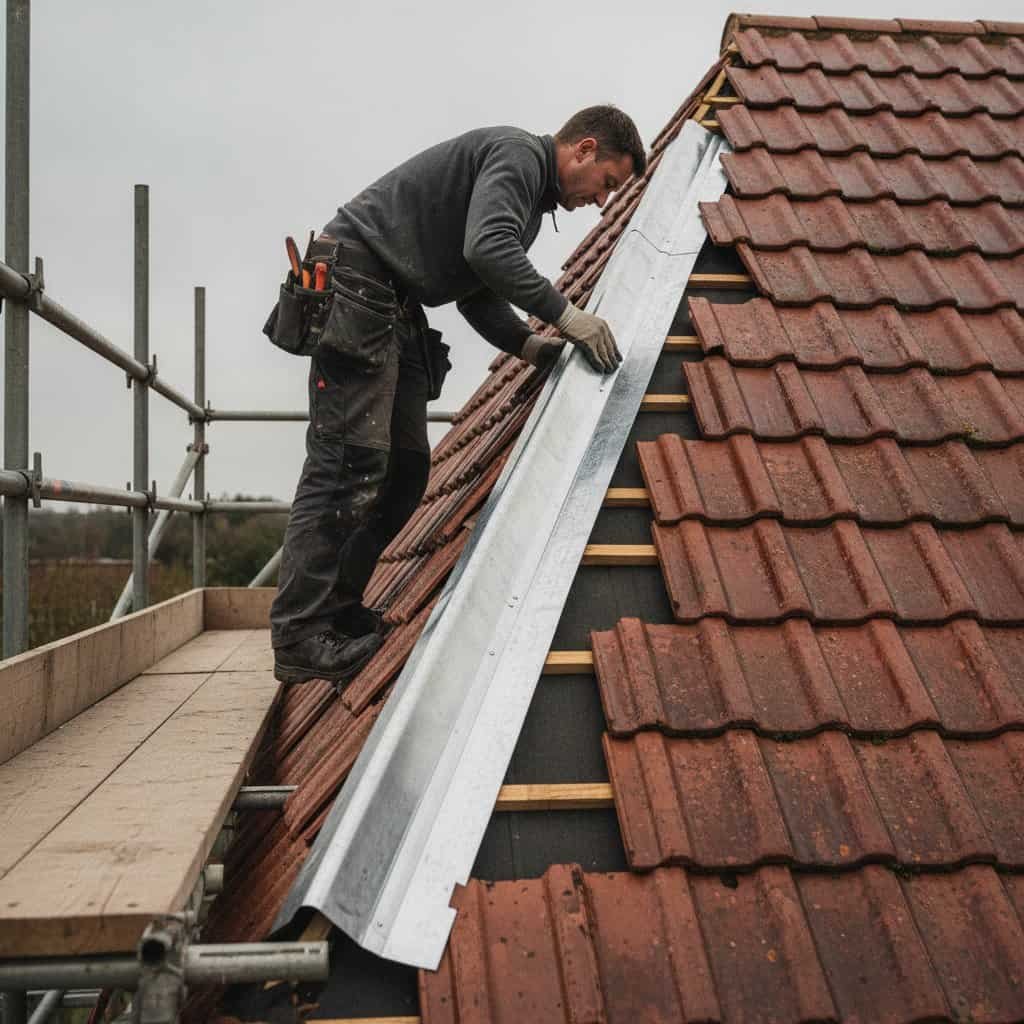
Common trouble spots include flashing around chimneys, skylights, vents, and roof valleys. Shingles may crack or lift, while sealants can deteriorate with age and exposure to sunlight. Gutters that overflow or remain clogged can also contribute to water entering vulnerable parts of the roofline.
When homeowners discover leaks, they should first consider whether there is an immediate safety risk. Water near electrical fixtures, a ceiling that is bulging, or signs of structural movement require particular care. Keep people away from the affected area and seek appropriate professional assistance. Never climb onto a wet or damaged roof to apply a quick patch.
Once the area is safe, photograph the visible signs and move belongings away from dripping water where practical. A roofing contractor can trace the moisture, inspect surrounding materials, and recommend a lasting solution. Simply painting over a stain or sealing the most obvious spot may hide the evidence without correcting the underlying issue.
Related storyChoosing the Right Water Treatment Installation: Why a Thoughtful Setup Makes All the Difference
Understanding the Cost of Roofing Work
Repair costs vary depending on the size of the affected area, the materials involved, roof accessibility, and whether hidden damage is discovered. Replacing a few shingles is usually a different undertaking from repairing damaged decking or addressing moisture that has reached the interior.
Before agreeing to work, ask for a written estimate that outlines labor, materials, cleanup, and any additional charges that could arise. If the contractor identifies several problems, request a clear breakdown so you can understand which items are essential and which are optional.
It can be useful to compare estimates from more than one qualified contractor, particularly when the proposed work is extensive. However, the lowest price isn’t always the best value. A quote that excludes necessary flashing, disposal, or cleanup may end up costing more than expected.
Related storyWhy Investing in Drinking Water Filtration Can Transform Everyday Life at Home
Check the contractor’s credentials, insurance, references, and warranty terms where applicable. Be cautious of anyone who pressures you to sign immediately or demands full payment before explaining the work. You should have enough information to make a considered decision.
Maintenance Can Prevent Repeat Problems
A roof doesn’t need constant attention, but it does benefit from regular care. Gutters should be kept clear, overhanging branches trimmed, and visible signs of deterioration addressed before they spread. After a significant storm, inspect the property from the ground and arrange professional help if you notice anything unusual.
Regular repair and maintenance can also help homeowners keep track of the roof’s condition over time. If the same area has been repaired more than once, record the dates and work completed. That history may help a contractor identify a recurring issue rather than repeating a temporary fix.
Maintenance needs vary with local weather, surrounding trees, roofing materials, and the age of the building. A home exposed to strong winds or frequent storms may need more frequent attention than one in a milder setting. A professional can suggest a reasonable inspection schedule based on those conditions.
It’s worth remembering that maintenance isn’t a guarantee against damage. Severe weather can affect even a well-maintained roof. The benefit is that regular attention may reveal existing weaknesses and make it easier to respond before they become more disruptive.
Dealing With Storm Damage and Insurance
If a roof problem follows a storm, document the damage before cleanup or repairs begin, as long as it is safe to do so. Photographs of missing shingles, fallen branches, water stains, and damaged belongings may help explain what happened.
Contact your insurer if you believe the damage may be covered. Coverage depends on your specific policy, the cause of the damage, exclusions, and deductible. Ask whether an adjuster needs to inspect the property before permanent repairs begin, and keep copies of estimates, receipts, and communications.
If temporary protection is needed to prevent further damage, discuss safe options with a qualified professional. Avoid signing contracts under pressure or relying on promises that an insurance claim will definitely be approved.
Make Decisions Before the Problem Grows
A roof is one of those parts of a home that’s easy to overlook until something goes wrong. Yet the early signs are often there: a loose shingle, a recurring stain, or water draining where it shouldn’t.
Responding promptly doesn’t mean approving the most expensive repair or panicking over every small imperfection. It means paying attention, getting a professional assessment when needed, and choosing work based on clear evidence.
With sensible upkeep and timely repairs, homeowners can reduce avoidable damage, manage expenses more confidently, and keep their homes protected through changing seasons. Sometimes the smartest roofing decision is simply dealing with a small problem before it has the chance to become a much bigger one.