Most people don’t think much about their home’s water treatment equipment once it’s installed. The water tastes better, the shower feels more comfortable, and those stubborn marks on the taps finally start disappearing. Life carries on, and the system quietly does its job in the background.
That is, until something changes.
Maybe the water pressure drops, the familiar smell returns, or the dishwasher starts leaving spots on glasses again. These little warning signs can be frustrating, especially when the equipment wasn’t cheap in the first place. Often, the problem isn’t that the system has reached the end of its life. It simply needs attention.
Regular care helps household water treatment equipment perform as intended. Understanding what to check, when to replace components, and which warning signs deserve attention can save money and prevent unnecessary trouble.
Related storyChoosing the Right Water Treatment Installation: Why a Thoughtful Setup Makes All the Difference
Why Regular Maintenance Matters
Water treatment systems handle different jobs depending on their design. Some remove sediment, others improve taste and odor, and certain systems reduce hardness minerals or specific contaminants. Over time, the components responsible for these tasks collect material, wear down, or lose effectiveness.
That’s why system maintenance should be part of normal household care rather than something homeowners think about only after a problem appears. A clogged filter can restrict flow, an overdue cartridge may no longer perform as expected, and neglected equipment can develop leaks or mechanical faults.
Consider a family that relies on an under-sink filter for drinking water. If the cartridge becomes clogged, the water may begin flowing slowly. The temptation is to assume the plumbing is faulty, but the solution might be as simple as replacing the cartridge according to the manufacturer’s instructions.
A water softener presents a different example. If it isn’t regenerating properly or has run out of salt when salt is required, hard water may begin passing through the system untreated. Soap may stop lathering as easily, and scale can gradually return around taps and showerheads.
Related storyMaking Water Treatment More Affordable With a Membership Plan That Fits Your Home
Maintenance doesn’t guarantee that every problem will be avoided, of course. Equipment can fail unexpectedly. Still, routine checks make it easier to catch developing issues before they become expensive repairs.
Know When Your Filters Need Replacing
Filters don’t last forever, even when the water coming through them looks perfectly clean. Their service life depends on the type of filter, the quality of the incoming water, household consumption, and the manufacturer’s recommendations.
Timely filter changes help maintain the performance of many filtration systems. Sediment cartridges collect particles such as sand and rust, while activated carbon filters are designed to reduce certain substances that affect taste and odor. When these components reach their capacity or become clogged, performance can decline.
Some systems include indicator lights or digital reminders, which are useful but shouldn’t be treated as infallible. Others require homeowners to keep track of installation dates themselves. A simple note on a phone or a reminder in a calendar can make the task much easier.
Related storyWhen Your Water Doesn’t Seem Right: Understanding Common Household Water Problems
Don’t wait for the water to taste strange before checking the cartridge. Not every contaminant changes water’s taste, smell, or appearance, so those signs aren’t reliable measures of filter effectiveness.
It’s also important to use replacement cartridges that match the system’s specifications. A filter that physically fits may not provide the same treatment performance as the recommended model. If the system is intended to reduce a particular contaminant, check the relevant performance claims and certifications before buying replacement parts.
After changing a cartridge, follow the manufacturer’s flushing instructions. Some filters need to be flushed before use to remove loose carbon particles or prepare the cartridge for normal operation.
Related storyWhy Hard Water Leaves More Than Just Spots Behind
Taking Care of a Water Softener
Hard water is common in many regions and contains elevated levels of minerals, particularly calcium and magnesium. These minerals can leave deposits on plumbing fixtures, build up inside water heaters, and make soap less effective. The result is familiar to many homeowners: cloudy glasses, rough-feeling laundry, and a crusty ring around the showerhead.
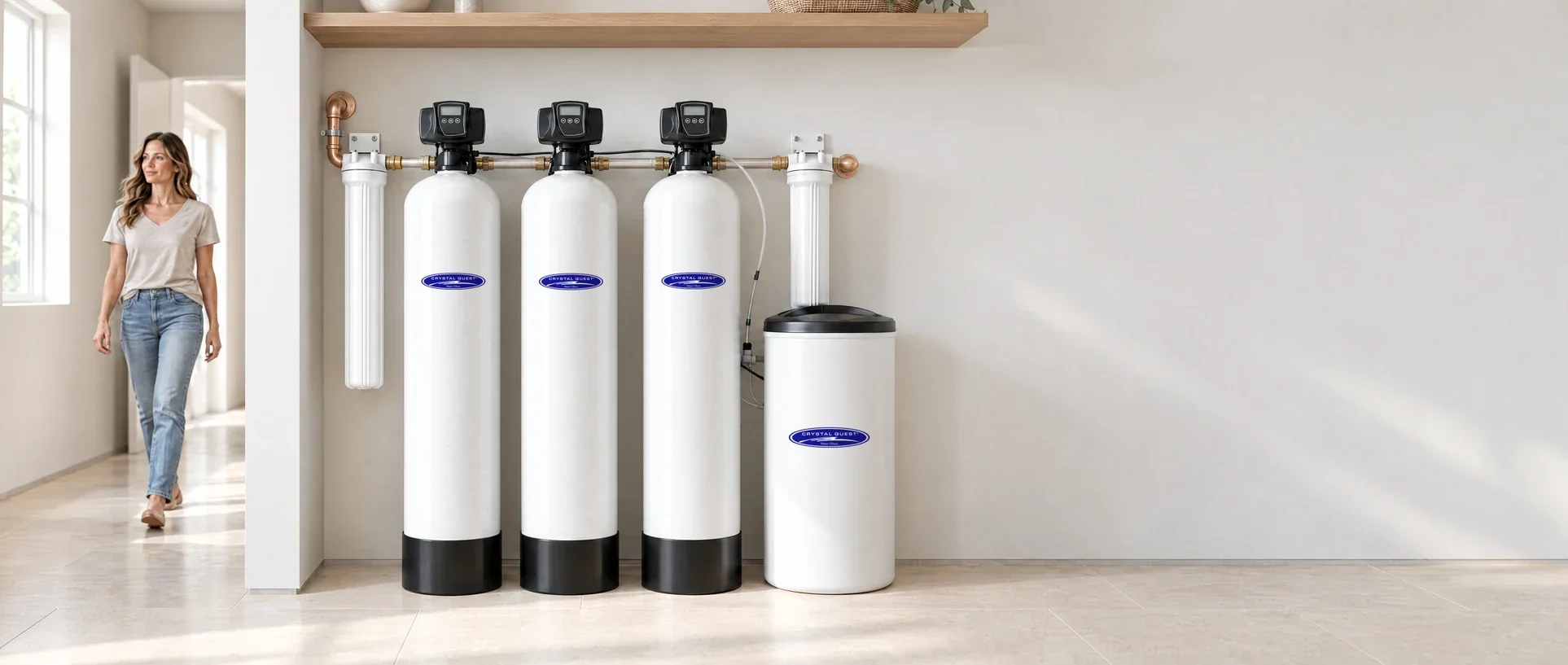
For households with these concerns, water softeners can help by exchanging hardness minerals for other ions, commonly sodium or potassium, depending on the system. They don’t work like ordinary sediment filters, and they aren’t designed to remove every type of contaminant.
If your softener uses salt, check the brine tank regularly and replenish it according to the manufacturer’s guidance. Avoid assuming that filling the tank completely is always best; the recommended level and cleaning schedule vary by design. Salt bridges or compacted salt can also interfere with operation, so occasional inspection is worthwhile.
Pay attention to changes in water feel, scale formation, and soap performance. These clues may suggest that the softener needs attention, but testing hardness is a more dependable way to assess results. If the water remains hard despite proper salt levels, the issue could involve incorrect settings, a blocked injector, resin problems, or another fault.
Related storyWhy the Water in Your Glass Deserves More Attention
Some households don’t need softened water at every tap. A professional can help determine whether the system should treat the whole house or whether a different arrangement makes more sense. People following a sodium-restricted diet may also want to discuss drinking-water options with their healthcare professional.
Watch for Small Signs of Trouble
A treatment system often gives clues before it stops working altogether. The trick is noticing them.
A sudden reduction in water pressure may indicate a clogged cartridge, but it can also result from a leaking pipe, a failing pump, or another plumbing issue. Water that develops an unusual odor might point to a spent filter, contamination, or a change in the original supply. Persistent dampness around a tank or fitting deserves attention, even if the leak seems minor.
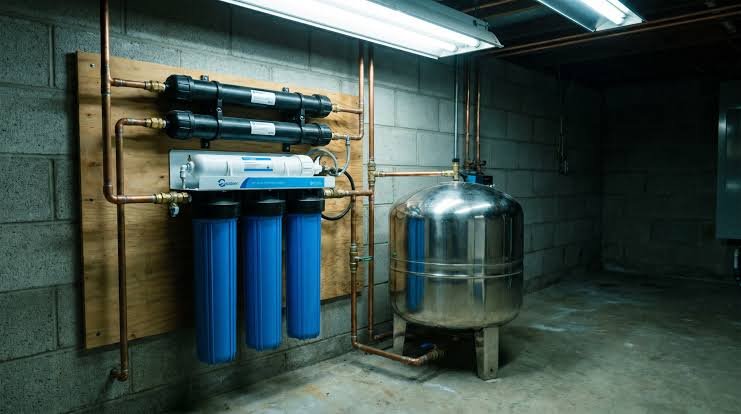
Listen to your equipment as well. Pumps that switch on and off unusually often, softeners that make unfamiliar noises, or systems that appear to run continuously may need inspection. Don’t dismantle electrical or pressurized equipment unless you’re qualified to do so.
If the water’s appearance or taste changes suddenly, don’t automatically blame the treatment system. Contact your water supplier if you use a municipal supply, or arrange appropriate testing if you rely on a private well. If contamination is suspected, use a safe alternative drinking-water source until the concern has been assessed.
Create a Simple Maintenance Routine
You don’t need an elaborate spreadsheet to keep track of household water equipment. A basic schedule is usually enough.
Start by recording the installation date, model number, and recommended service intervals for each component. Check visible fittings and connections periodically, look for leaks, and follow the manufacturer’s guidance for cleaning or sanitizing the system. Keep replacement parts readily available when possible, especially if your household depends on the equipment every day.
Annual professional servicing may be worthwhile for complex systems, particularly those involving multiple treatment stages, pumps, pressure controls, or specialized contaminant removal. The appropriate service frequency depends on the equipment and local water conditions.
Keep copies of water test results, too. Comparing results over time can help reveal changes that might otherwise go unnoticed. If a system was installed to address a specific contaminant, testing may be necessary to confirm that it continues to meet its intended purpose.
Spend Wisely on Repairs and Replacement
When equipment starts acting up, replacing the entire system isn’t always the best first step. A worn seal, clogged filter, or incorrect setting may be all that’s wrong. On the other hand, repeated repairs on an old, inefficient unit can eventually cost more than replacing it.
Ask a qualified technician to explain the problem and identify which components need attention. Request clear information about parts, labor, and expected future maintenance. Be cautious of anyone who promises that one product can solve every water-quality concern without testing or explaining its limitations.
The goal isn’t to spend more on maintenance than necessary. It’s to keep the equipment safe, effective, and appropriate for your home’s needs.
Better Water Starts with Consistent Care
Water treatment equipment works best when homeowners understand what it does and give it the attention it requires. Replacing filters on schedule, checking softener settings, watching for leaks, and responding to changes in water quality are simple habits that can make a real difference.
You don’t have to become a plumbing expert to manage these responsibilities. Start with the manufacturer’s instructions, keep a few useful reminders, and ask for professional help when something doesn’t seem right.
A well-maintained system may not attract much attention, and that’s often a good sign. It should quietly support everyday life, delivering reliable performance without constant troubleshooting. With a little care and sensible planning, you can help protect your investment and enjoy the benefits of properly treated water for years to come.