Hard water is one of those household problems you may not notice right away. The water still looks clear. It comes out of the tap, fills the kettle, washes your hands and gets the job done. But over time, little clues start appearing everywhere — white marks around faucets, dull-looking dishes, stiff laundry and that stubborn film on the shower door.
The trouble usually comes from naturally occurring minerals, especially calcium and magnesium. These minerals aren’t necessarily something to panic about, but when their concentration is high, they can make everyday cleaning and bathing noticeably harder. Your plumbing, appliances and even your favorite bar of soap can feel the difference.
So, what exactly is hard water doing around your home, and why does a water softener make such a difference?
What Makes Water “Hard”?
Water becomes hard when it picks up minerals as it moves through soil and rock. Groundwater, in particular, can collect substantial amounts of calcium and magnesium before reaching a private well or municipal water system.
Related storyWhy Hard Water Leaves a Mark on Everyday Life
Hardness isn’t always a bad thing. In fact, calcium and magnesium are naturally occurring minerals. The problem is more about the way hard water behaves in the home.
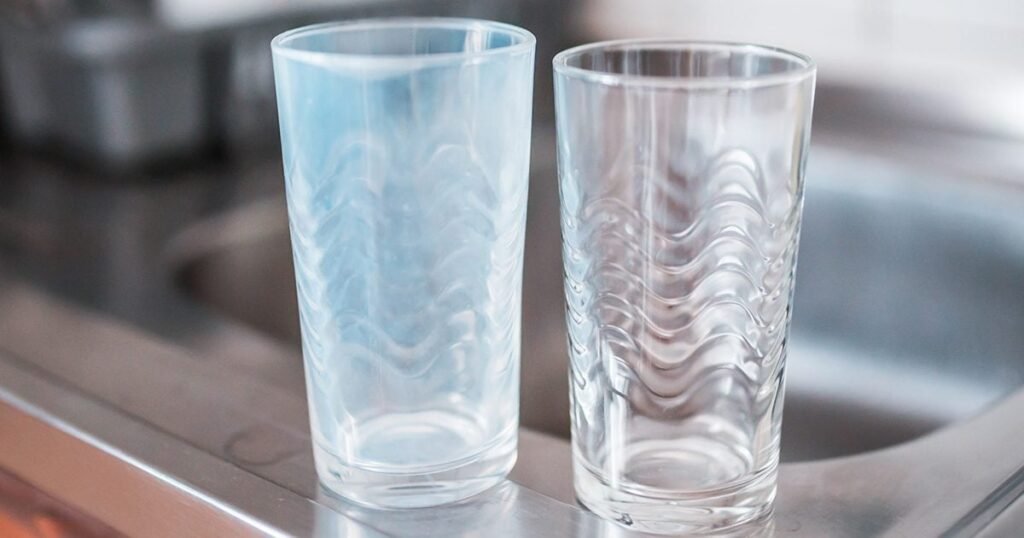
When heated or allowed to evaporate, dissolved minerals can separate from the water and remain behind. That’s why you might see a chalky ring around a faucet or a cloudy patch inside a glass. Given enough time, these deposits can become surprisingly difficult to remove.
And if you’ve ever cleaned a showerhead only to find the holes blocked again a few weeks later, you’ve already seen the problem firsthand.
Related storyWhen Water Flow Slows Down, Your Home May Be Sending a Warning
The Hidden Cost of Scale Buildup
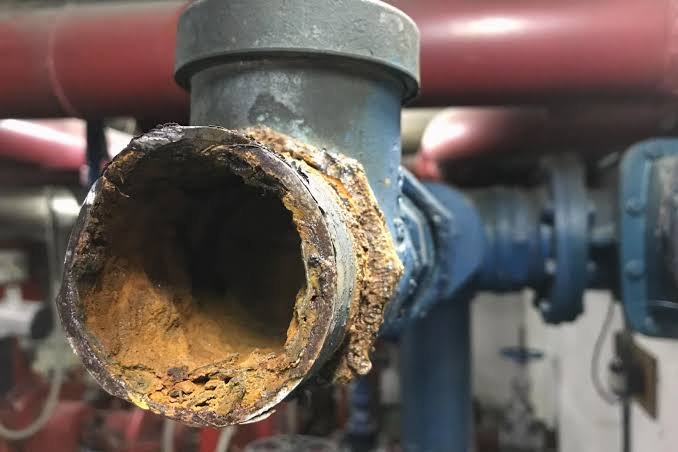
One of the most frustrating effects of hard water is scale buildup. It tends to collect inside pipes, water heaters, faucets, showerheads and appliances that regularly use hot water.
At first, the deposits may seem harmless. A little white residue here, a crusty faucet aerator there. But mineral deposits can gradually restrict water flow and make plumbing fixtures less efficient.
Water heaters are especially vulnerable. When minerals settle at the bottom of a tank, they can form a layer that separates the heating element from the water. The system may then need more energy to heat the same amount of water.
This doesn’t mean every home with hard water will suddenly have plumbing problems. It simply means that persistent mineral deposits can add unnecessary wear and maintenance over the years.
Related storyWhen Hard Water Becomes a Daily Problem, the Right Solution Matters
For homeowners, that’s often the bigger concern: not one dramatic failure, but a collection of small problems that slowly become expensive.
Why Soap Doesn’t Seem to Work Properly
Hard water can also change something surprisingly basic — how well soap works.
When soap mixes with calcium and magnesium, it can form a sticky residue rather than rinsing away cleanly. You may notice this as a film on your skin, bathtub or sink.
Related storyChoosing the Right Water Treatment Installation: Why a Thoughtful Setup Makes All the Difference
That’s where soap efficiency becomes important. In softer water, soap generally lathers more readily and rinses away with less effort. With hard water, people often compensate by using more soap, shampoo or detergent.
It can become a cycle. More product gets used, but the results don’t necessarily improve.
You might wash your hair twice because it doesn’t feel quite clean. You might add extra detergent to the washing machine because clothes seem dull. You may scrub the shower more often because soap residue keeps returning.
None of these things feels significant on its own. Added together, though, they can mean more cleaning time and higher household product consumption.
Related storyThe Everyday Comfort of Soft Water at Home
Hard Water and Everyday Cleaning
There’s a reason hard-water stains are so common in kitchens and bathrooms. Every time water evaporates from a surface, whatever minerals were dissolved in it can be left behind.
Glass shower doors are a classic example. A freshly cleaned door can look great in the morning and have cloudy spots again after several showers.
Kitchen faucets, stainless-steel sinks and tiles can have the same issue. You may find yourself reaching for vinegar, commercial cleaners or a scrubbing pad more often than you’d like.
And here’s the annoying part: cleaning removes the deposits, but it doesn’t remove the cause. If the incoming water remains hard, the residue keeps coming back.
That’s why prevention can be more practical than endlessly fighting the same stains.
What Hard Water Does to Laundry
Laundry is another area where hard water can quietly cause trouble.
Detergents don’t always perform as effectively in mineral-rich water. Clothes may come out feeling less soft, looking slightly dull or carrying detergent residue. Towels, especially, can lose that fluffy feeling people expect after washing.
Over time, mineral deposits can become trapped in fabric fibers. White clothing may appear grayish, while darker clothes can lose some of their original appearance.
Of course, washing temperature, detergent type, fabric quality and machine settings all matter too. Hard water isn’t the only possible cause of laundry problems. Still, if you’ve noticed persistent stiffness or residue despite using good detergent, water hardness is worth considering.
Does a Water Softener Really Help?
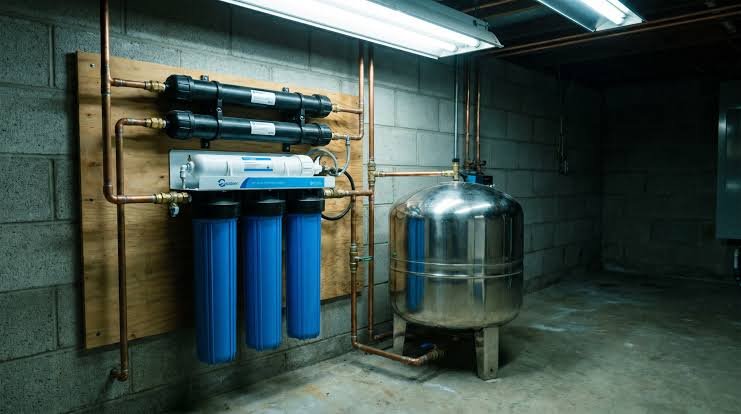
A water softener is designed to reduce hardness minerals before the water travels throughout the home. Traditional ion-exchange softeners use resin beads to exchange calcium and magnesium ions for sodium or, in some systems, potassium ions.
The result is water that behaves differently in everyday household use.
You may notice better soap lather, fewer mineral spots, easier cleaning and less residue around fixtures. Appliances that use water can also benefit from reduced mineral deposits.
However, a softener isn’t a universal water-treatment solution. It doesn’t automatically remove every contaminant or make unsafe water safe to drink. If your water has concerns such as bacteria, iron, sulfur, sediment or other contaminants, additional treatment may be necessary.
That’s why testing the water first is a smart step rather than buying a system based on guesswork.
How to Know If Hard Water Is Your Problem
Some signs are pretty obvious:
- White or chalky deposits around faucets
- Spots on dishes and glassware
- Soap film in showers and sinks
- Dry or stiff-feeling laundry
- Reduced lather from soap
- Mineral deposits around showerheads
- Frequent cleaning of water fixtures
- Strange buildup inside kettles or water heaters
None of these signs alone proves that your water is hard. But when several appear together, it’s reasonable to investigate.
A professional water test can measure hardness and identify other characteristics of your water. That information makes it easier to choose treatment based on actual conditions rather than assumptions.
A Better Approach to Household Water
Hard water isn’t usually an emergency. It’s more of a slow-burn household nuisance — the kind that gradually becomes normal until you realize how much time you’ve spent cleaning deposits, replacing fixtures or using extra products.
Understanding the role of calcium and magnesium helps put those everyday annoyances into perspective. If mineral content is high, treating the water at its source can be far more convenient than constantly treating the symptoms.
The right solution depends on the home’s water quality, plumbing setup, household size and specific needs. Sometimes a water softener is the answer. Sometimes filtration or another treatment method makes more sense.
Either way, the best starting point is simple: test the water, understand what’s actually in it, and then choose a solution that fits. Clean-looking water isn’t always problem-free water — and sometimes the smallest clues around your home are telling you quite a lot.