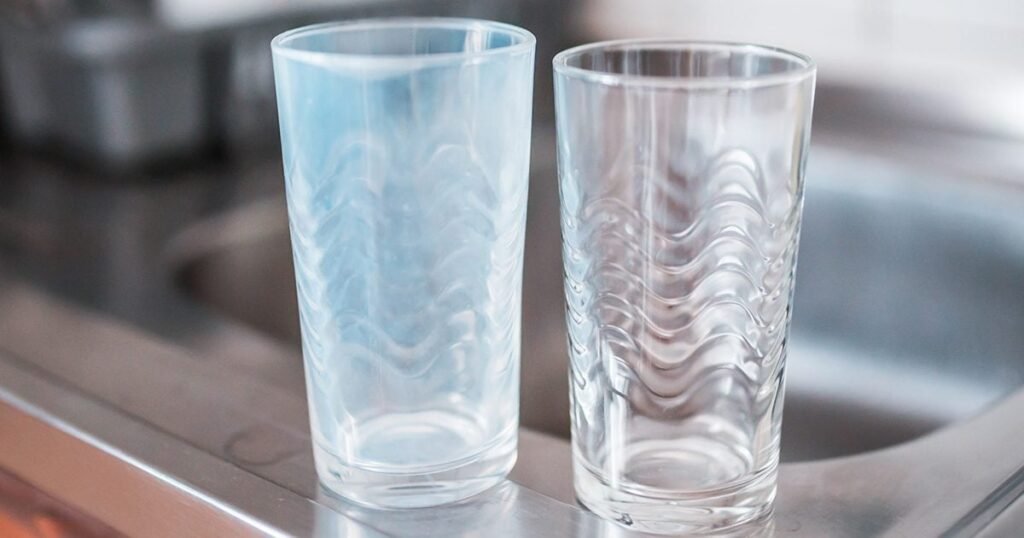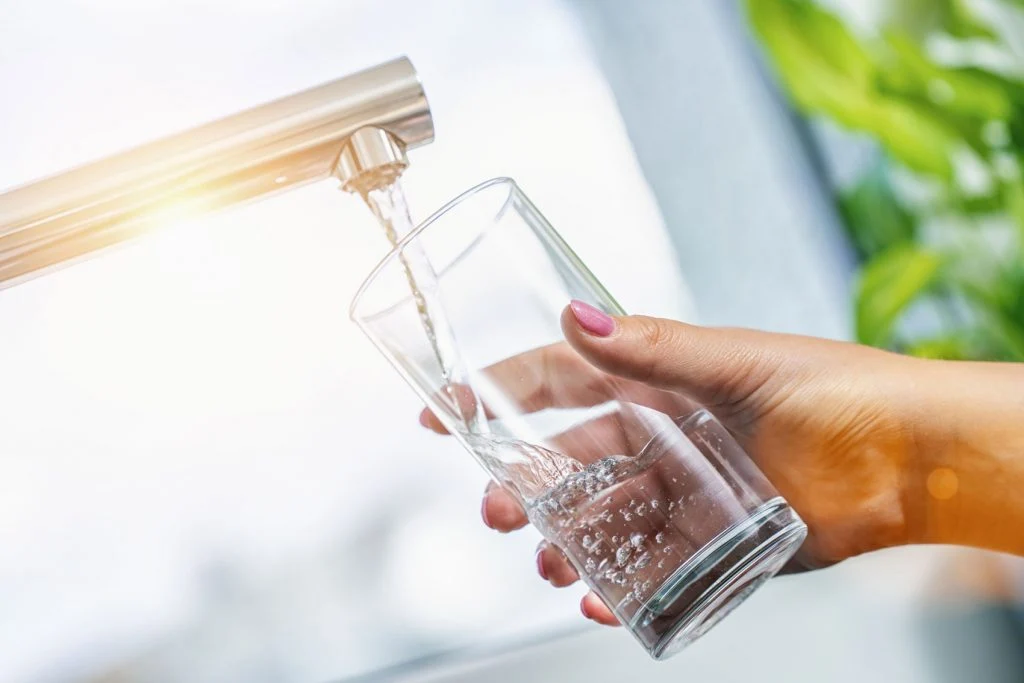
We don’t usually think much about water when everything is working normally. You turn on the tap, fill a glass, make coffee, cook dinner, and move on. It’s only when the water tastes strange, leaves spots on glassware, or causes problems with equipment that we start asking questions.
For homes and businesses, water quality can have a surprisingly broad impact. It can influence taste, cooking, cleaning, equipment performance, and the simple pleasure of having a good glass of water at the end of a long day.
The trick is understanding what “better water” actually means for your situation. It isn’t necessarily about removing everything. It’s about treating the water appropriately for the way you use it.
Related storyChoosing the Right Water Treatment Installation: Why a Thoughtful Setup Makes All the Difference
What Makes Drinking Water Feel Better?
Good drinking water should be clean, pleasant, and consistent. Taste matters more than people sometimes admit.
Water with excessive mineral content, chlorine, or other unwanted characteristics may have a noticeable flavor or odor. Even when the water meets applicable drinking-water requirements, people may still prefer the taste of properly filtered water.
For many households and businesses, the goal is superior drinking water that tastes fresh and fits naturally into everyday routines.
There’s also a practical benefit. When tap water tastes good, people may be more willing to drink it instead of constantly buying bottled water.
Related storyWhy Investing in Drinking Water Filtration Can Transform Everyday Life at Home
Start With a Water Test
Before investing in treatment equipment, find out what is actually in the water.
A water test can provide information about hardness, dissolved minerals, sediment, chlorine, iron, sulfur, and other characteristics. Testing is particularly useful for private wells, where water conditions can vary over time.
This step helps prevent a common mistake: choosing equipment based on a general water-quality complaint rather than a specific issue.
Related storyWhen Your Water Doesn’t Seem Right: Understanding Common Household Water Problems
A filter designed to improve taste isn’t necessarily designed to remove dissolved minerals. A softener isn’t a universal filtration system. Reverse osmosis isn’t automatically the answer to every water problem.
The right technology depends on the starting water.
How Reverse Osmosis Works
Reverse osmosis, often called RO, uses pressure to push water through a semipermeable membrane. Many dissolved substances are rejected by the membrane, while treated water passes through.
It’s a useful technology when lower levels of dissolved solids or particular contaminants are desired.
Related storyA Closer Look at Whole-Home Reverse Osmosis and Smarter Water Treatment
Businesses and homeowners may use RO for drinking water, food preparation, beverage production, and specialized applications. The system’s actual performance depends on the incoming water, membrane, pressure, pretreatment, and operating conditions.
In other words, RO is powerful, but it still needs to be properly designed.
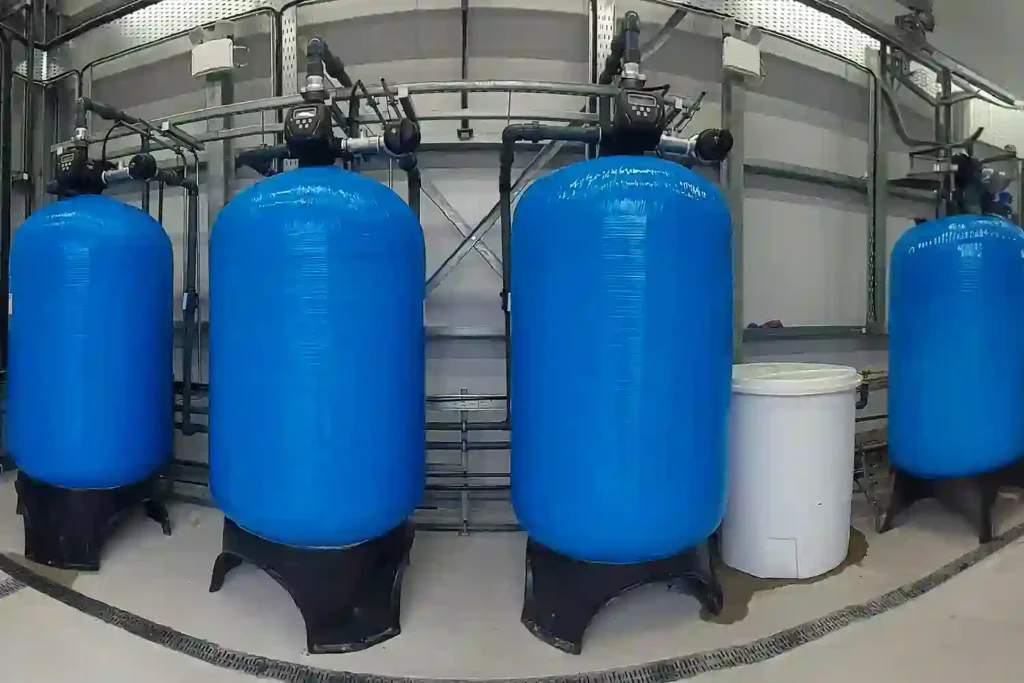
A Look at Commercial RO Systems
For commercial users, water requirements can be much more demanding than they are in a typical home.
Restaurants, cafés, hotels, offices, healthcare facilities, and manufacturing businesses may use substantial amounts of treated water every day. Consistency becomes especially important when water quality affects products or expensive equipment.
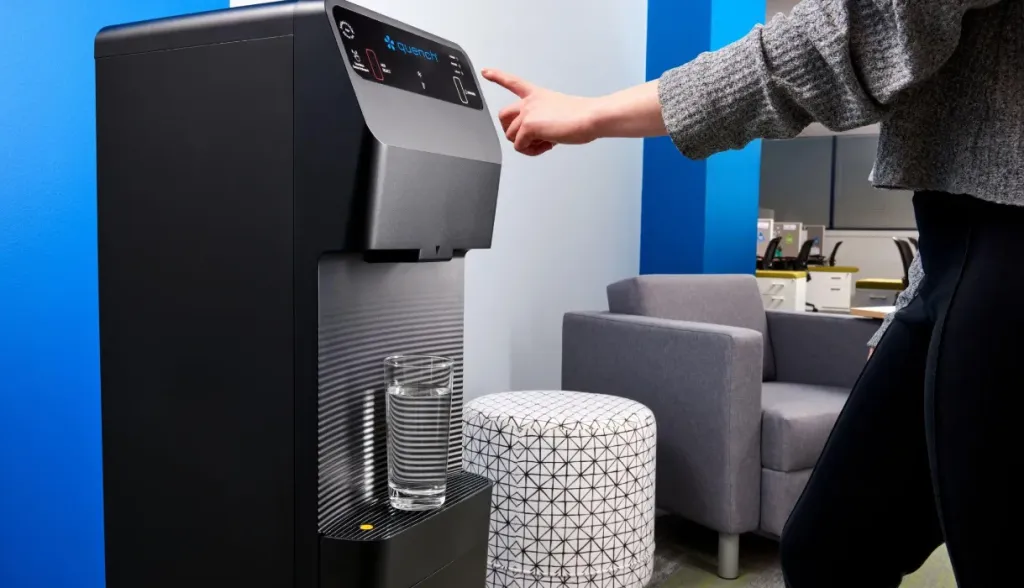
Related storyWhy a Good Water Cooler Still Matters at Home and Work
KineticoPRO’s reverse osmosis (RO) systems are designed for commercial water-treatment applications where controlled water quality and dependable operation are important considerations.
However, businesses shouldn’t select a system simply because it has a recognizable name or impressive specifications. Flow rate, peak demand, source-water quality, storage, pretreatment, and maintenance requirements all need to be considered.
Why Consistency Matters in Business
Imagine running a café where the water quality changes noticeably from week to week.
Coffee flavor could shift. Ice could taste different. Beverage recipes may become harder to reproduce. Customers might not know why something tastes different, but they can notice it.
Water can be an overlooked ingredient in food and beverage operations.
That’s why consistently high-quality water can be so valuable. It provides a more predictable foundation for processes that depend on water, especially where taste and repeatability matter.
The same principle applies in other industries. Manufacturing and specialized commercial operations may have process requirements where variations in water chemistry can create unnecessary complications.
Protecting Water-Using Equipment
Commercial equipment isn’t cheap.
Coffee machines, ice makers, dishwashers, steam equipment, boilers, and other water-dependent systems can all be affected by water chemistry.
Hard water is particularly well known for contributing to scale buildup. Over time, mineral deposits can affect components and increase maintenance requirements.
Water treatment isn’t a substitute for cleaning and servicing equipment, but it can be part of a broader maintenance strategy.
It’s much easier to prevent a manageable water-quality issue than to discover it after an expensive piece of equipment starts performing badly.
Pretreatment Is Sometimes Essential
RO membranes work best when the incoming water is properly prepared.
Depending on the source, pretreatment may involve sediment filtration, carbon filtration, softening, or other conditioning. The purpose is to reduce substances that could interfere with membrane performance or shorten its useful life.
For example, excessive hardness can contribute to scaling, while certain disinfectants can affect some membrane materials.
This is why commercial RO should be viewed as part of a treatment system rather than a standalone box.
The membrane matters, but everything happening before and after it matters too.
Think About Your Actual Water Demand
A treatment system needs to keep up with the business using it.
A small coffee shop may have very different demand from a large hotel. A manufacturing operation may have continuous requirements rather than short periods of heavy use.
Sizing should account for average consumption as well as peak demand.
If the system is too small, treated-water availability may become a problem during busy periods. If it’s unnecessarily oversized, installation and operating costs can rise without providing a meaningful benefit.
Good system design is about matching capacity to reality.
Maintenance Keeps Performance on Track
No water-treatment system should be treated as completely maintenance-free.
RO membranes eventually need cleaning or replacement. Filters have limited service lives. Pumps, valves, storage tanks, and monitoring equipment may also require attention.
Regular maintenance helps identify problems before they become larger ones.
Businesses should understand the expected service schedule before installation. Knowing the replacement costs and maintenance requirements makes it much easier to budget for the system over its useful life.
A little routine attention can save a lot of frustration later.
Don’t Choose Treatment Based Only on Marketing
Water-treatment terminology can get complicated quickly.
A supplier might talk about purity, recovery rates, membrane performance, dissolved solids, or gallons per day. Those terms can be useful, but they don’t automatically tell you whether a particular system is right for your operation.
Ask practical questions.
What does the system remove? How much water can it produce? What quality can you expect? What pretreatment is required? How often does it need service? What happens if water demand suddenly increases?
Clear answers are much more valuable than impressive-sounding promises.
The Bottom Line
Better water quality can make a noticeable difference, particularly when water plays an important role in drinking, food preparation, equipment operation, or commercial processes.
The smartest approach isn’t to chase the most complicated filtration technology. It’s to understand your water, identify your actual requirements, and choose a system that fits them.
For some applications, simple filtration may be enough. For others, reverse osmosis may provide the level of treatment required.
Once properly designed, installed, and maintained, a good water-treatment system should mostly fade into the background.
And really, that’s the goal. The water should simply work — tasting good, performing consistently, and supporting the people and equipment that rely on it every day.