Hard water is one of those household problems that doesn’t always announce itself right away. You might notice a cloudy glass after washing the dishes, a white ring around the faucet, or a showerhead that slowly loses its shine. At first, these things seem minor. Then, somehow, you’re scrubbing the same spots every few days and wondering why they keep coming back.
The reason is usually simple: minerals in the water are being left behind. Calcium and magnesium, which naturally occur in many water supplies, can create stubborn deposits on surfaces and inside plumbing. Understanding what causes these problems is the first step toward dealing with them properly.
What Makes Water “Hard”?
Hard water contains higher levels of dissolved calcium and magnesium. As water travels through underground rock and soil, it can pick up these minerals before reaching a home’s plumbing system.
Related storyWhy Hard Water Leaves More Than Just Spots Behind
Hardness isn’t necessarily something you can see in a glass of water. In fact, the water may look completely clear. The clues tend to appear later, after the water evaporates or reacts with soap and cleaning products.
If your home regularly develops Hard Water Stains around faucets, shower doors, sinks, or other fixtures, your water hardness may be worth testing.
A simple water test can tell you much more than guessing from what you see around the house.
Why Those White Marks Keep Returning
One frustrating thing about mineral deposits is that cleaning them doesn’t always solve the underlying problem. You wipe the faucet clean today, only to find another chalky mark tomorrow.
Related storyWhen Water Flow Slows Down, Your Home May Be Sending a Warning
That’s because every new splash of hard water can leave behind a small amount of mineral residue when it dries. Over time, those deposits become thicker and harder to remove.
Glass shower doors are particularly good at showing the problem. Water droplets dry on the surface, leaving behind minerals that gradually form a cloudy film. The same thing can happen around sinks, tubs, and fixtures.
Regular cleaning helps, but if deposits return constantly, addressing the water itself may be a more practical long-term approach.
Related storyWhen Hard Water Becomes a Daily Problem, the Right Solution Matters
Hard Water Can Affect Your Appliances
It’s not only visible surfaces that are affected. Water-using appliances can also experience mineral accumulation.
Water heaters are a good example. When hard water is repeatedly heated, minerals can settle and contribute to scale inside the tank and components. Dishwashers, washing machines, coffee makers, and other appliances can also encounter mineral deposits depending on water conditions.
Over time, Hard Water Build Up can affect efficiency and increase the amount of cleaning or maintenance required.
That doesn’t mean hard water will automatically damage every appliance. Appliance design, water temperature, usage, and hardness levels all matter. Still, if your home has particularly hard water, it’s something worth keeping in mind.
Related storyWhy Paying Attention to Your Home’s Water Today Can Save Bigger Problems Tomorrow
The Problem With Dishes
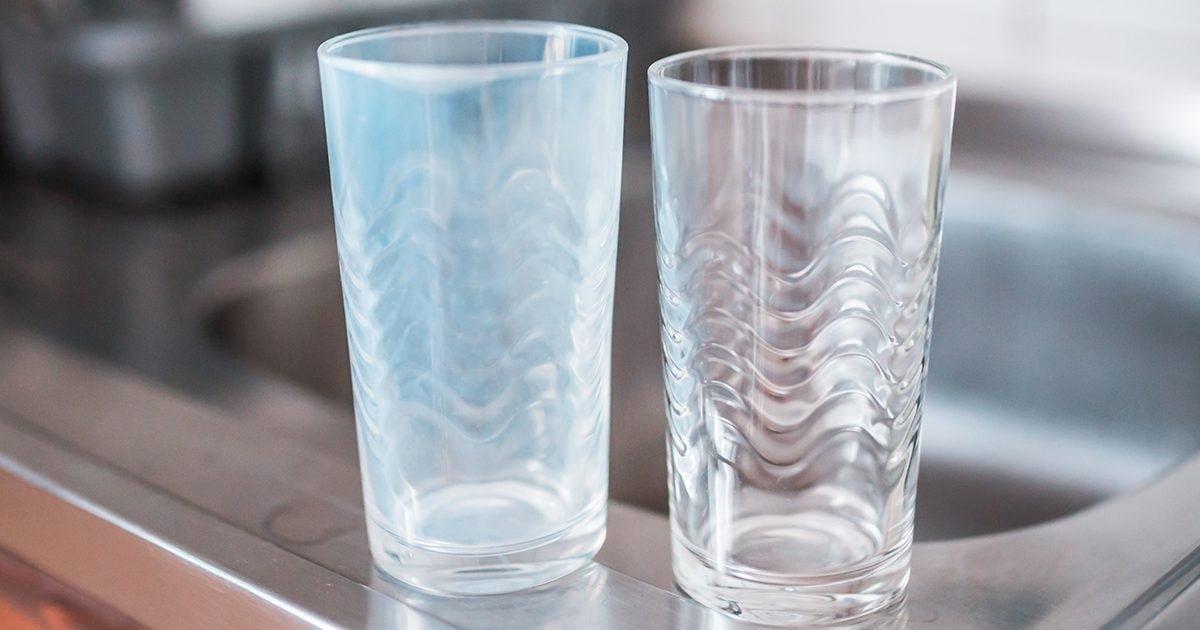
Few things are more annoying than washing a perfectly clean glass and discovering that it still looks dirty.
Hard water can leave mineral residue behind as dishes dry, especially when the water contains significant amounts of calcium and magnesium. You may notice cloudy glassware, white marks, or a dull film on plates and utensils.
In many homes, Spots and Stains on Dishes become one of the first noticeable signs that water hardness is an issue.
Dishwasher detergent can also interact with hard water, making cleaning feel less effective. Adjusting detergent or using rinse aids may help in some situations, but these solutions don’t actually reduce the minerals in the incoming water.
Related storyChoosing the Right Water Treatment Installation: Why a Thoughtful Setup Makes All the Difference
What Happens to Soap and Shampoo?
Hard water can affect more than your kitchen and bathroom surfaces. It can change the way soap, shampoo, and other cleaning products behave.
Calcium and magnesium can react with soap and create a residue commonly known as soap scum. This may leave a film on bathtubs, shower walls, and sinks.
Some people also notice that their hair feels less manageable or that their skin doesn’t feel quite as comfortable after showering. Those experiences can have many causes, including weather, personal-care products, and individual skin characteristics, so hard water isn’t always the culprit.
Still, if these concerns appear alongside obvious mineral deposits, testing the water can provide useful answers.
Cleaning Hard Water Deposits
When mineral buildup is already present, cleaning products designed for limescale or mineral deposits may help. Vinegar or other mild acidic cleaners are sometimes used for certain household surfaces, although compatibility should always be checked first.
Don’t use harsh chemicals simply because the deposit is stubborn. Some surfaces, finishes, natural stones, and fixtures can be damaged by aggressive cleaners.
A better habit is to wipe wet surfaces regularly so water has less opportunity to evaporate and leave minerals behind. It sounds simple, but preventing buildup is usually easier than removing a thick layer later.
Can Water Treatment Help?
If hard water is a persistent problem throughout the home, water treatment may be worth considering.
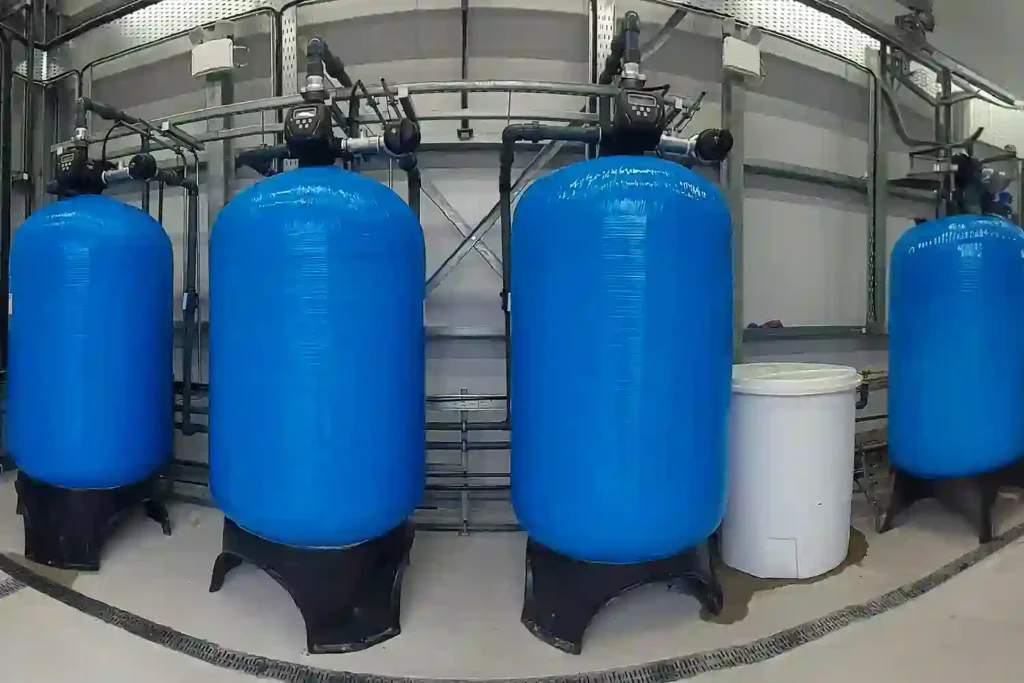
Water softeners are specifically designed to reduce hardness minerals through an ion-exchange process. Depending on the water and household requirements, other treatment methods may also be appropriate.
The important part is choosing equipment based on actual water conditions. A water test can show the hardness level and help determine whether treatment is necessary and what capacity may be appropriate.
There’s no benefit in buying a complicated system simply because it has more features. The right system is the one that addresses your particular water problem.
Think About the Long-Term Difference
Hard water isn’t usually something homeowners think about every day. But the effects can slowly become part of the household routine—scrubbing faucets, cleaning shower doors, dealing with cloudy glassware, and maintaining appliances.
If those chores are becoming a constant annoyance, it’s worth looking beyond the individual stains and asking why they’re happening in the first place.
Test your water. Understand its hardness level. Compare treatment options carefully, and consider both installation and long-term maintenance.
Sometimes the best home improvement isn’t the one that makes a dramatic visual change. It’s the one that quietly removes a problem you’ve been dealing with for years.
And when your glasses come out of the dishwasher looking clear, the faucet stays cleaner, and the shower door needs less scrubbing, you’ll probably wonder why you waited so long to look into it.