Hard water is one of those household problems you may not notice right away. At first, it’s just a little white residue around the faucet. Then the showerhead starts looking dull, soap doesn’t seem to rinse properly, and your freshly washed clothes somehow feel less soft than they should. Over time, the signs become harder to ignore.
The main culprits are minerals such as calcium and magnesium. They’re naturally present in many water sources, but when their concentration is high, they can create problems throughout a home. From stubborn scale on plumbing fixtures to reduced appliance efficiency, hard water can quietly add extra work and expense to everyday life.
That’s why choosing the right water treatment approach isn’t simply about making water feel better. It’s about protecting your plumbing, appliances, and the little routines that make a house feel comfortable.
Related storyChoosing the Right Water Treatment Installation: Why a Thoughtful Setup Makes All the Difference
Understanding What Hard Water Actually Does
Hard water isn’t necessarily unsafe to drink. In fact, calcium and magnesium are naturally occurring minerals. The bigger concern is how those minerals behave as water moves through your home.
When heated, hard water can leave mineral deposits behind. These deposits, commonly called scale, may build up inside water heaters, pipes, faucets, showerheads, and other equipment. A thin layer might not seem like much, but repeated buildup can gradually affect water flow and efficiency.
You might notice that a kettle needs cleaning more often, the shower has weaker pressure, or the hot water system takes longer to do its job. None of these problems feels dramatic on its own. Together, though, they can become frustrating.
Related storyWhen Water Flow Slows Down, Your Home May Be Sending a Warning
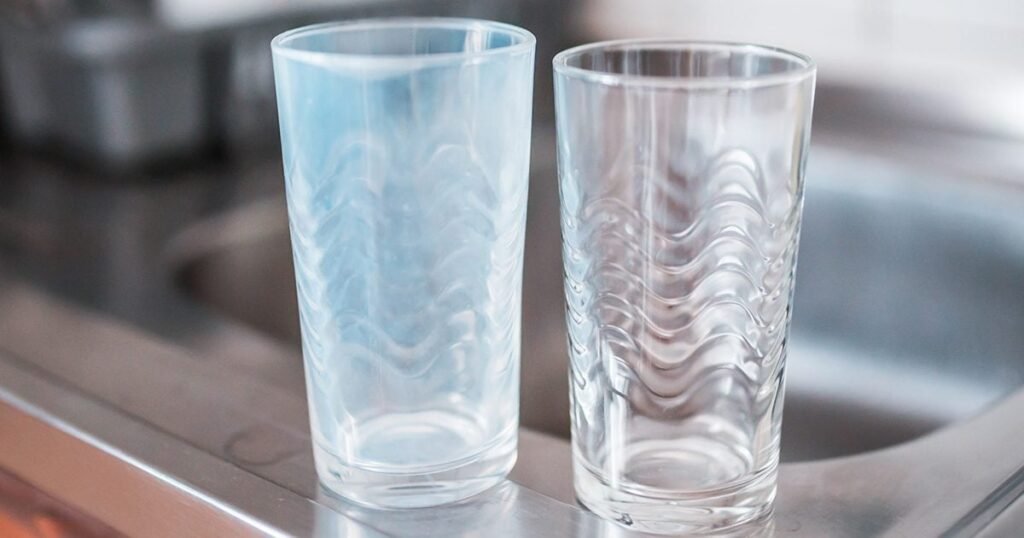
There’s also the cleaning side of things. Hard water can make soap and shampoo less effective, leaving behind a film on skin, hair, sinks, and bathroom surfaces. It’s one of those issues people often accept as normal until they experience softer water.
How Water Softeners Help Around the Home
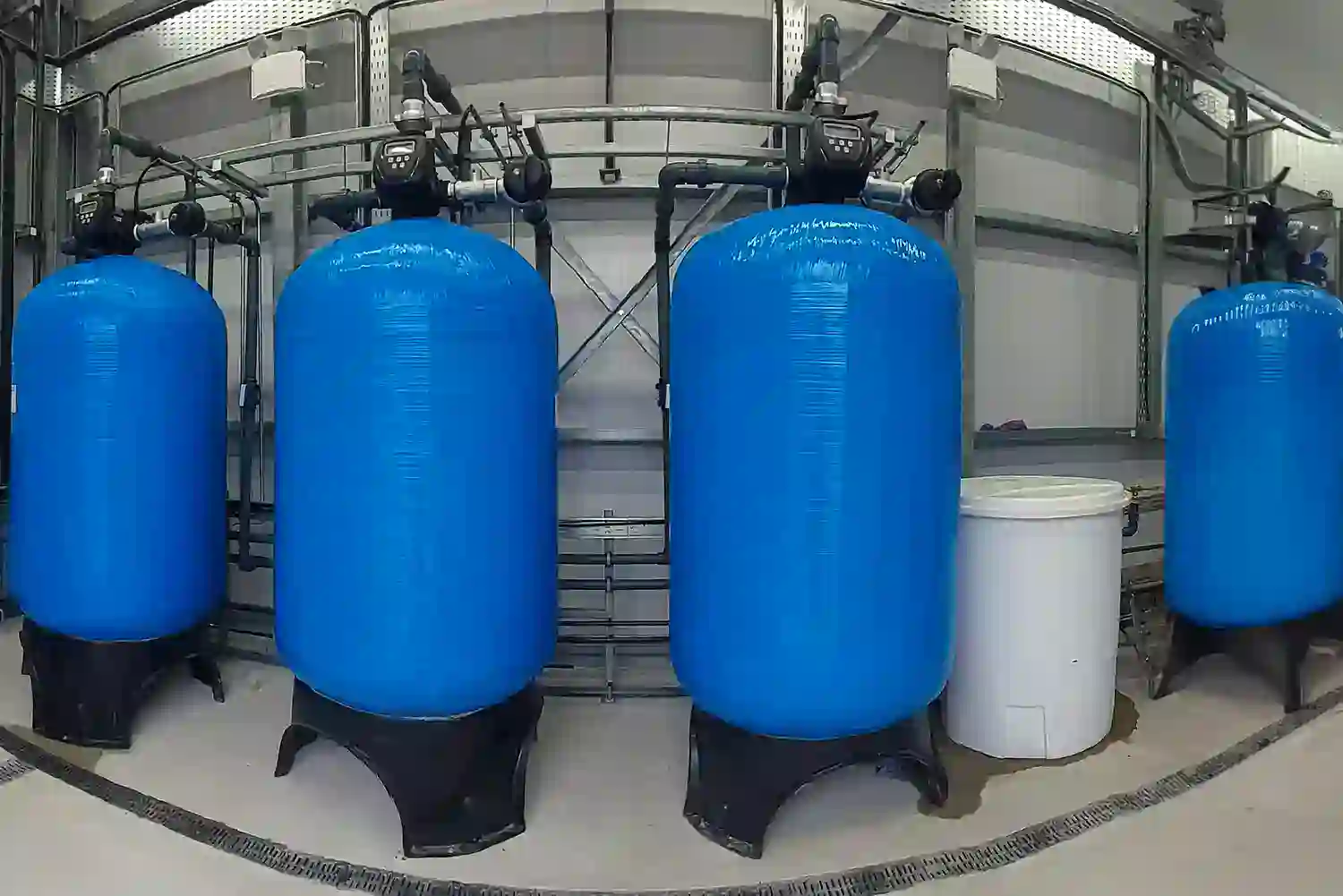
A properly selected system can make a noticeable difference in everyday water quality. water softeners are designed to reduce hardness minerals, typically through an ion-exchange process in which calcium and magnesium are exchanged for sodium or potassium ions.
The result isn’t magic, although it can certainly feel that way after dealing with hard water for years.
With less hardness entering the household plumbing, mineral scale can be reduced. Fixtures are generally easier to clean, and many homeowners notice that soap lathers more readily. Clothes may also feel different after washing, particularly when hard water has been an ongoing issue.
Related storyWhy Consistent Water Quality Matters More Than Most People Think
However, not every home needs the same type or size of softener. Household water usage, hardness levels, plumbing configuration, and the source of the water all matter. A system that works beautifully for a small household may be poorly matched to a larger family.
That’s why testing the water before choosing equipment is such a sensible step.
Why Water Testing Should Come Before Equipment
It’s tempting to shop for a water treatment system based on a neighbor’s recommendation or an online review. But water chemistry varies from one location to another, sometimes considerably.
A professional water analysis can identify hardness levels and may also reveal other concerns, depending on the water source. For example, well water can contain iron, sulfur compounds, sediment, or other naturally occurring substances that a basic softener isn’t designed to address.
Related storyWhy Hard Water Leaves More Than Just Spots Behind
This distinction matters.
A homeowner might install a softener expecting it to solve every water-quality complaint, only to discover that the original problem was actually related to iron, sediment, chlorine, or another contaminant. It’s a bit like buying glasses without checking your prescription first.
Good treatment starts with understanding what’s actually in the water.
Choosing the Right Professional Matters
Installation quality can be just as important as the equipment itself. Plumbing connections, drainage requirements, regeneration settings, water pressure, and system capacity all need to be considered.
Working with an exceptional company can make the process considerably easier because experienced professionals typically look at the whole situation rather than simply selling a piece of equipment. They can evaluate the household’s water usage, explain treatment options, and help determine whether softening alone is enough.
A trustworthy provider should also be willing to explain what a system can and cannot do. Be cautious of anyone who promises that one device will solve every possible water problem.
Related storyWhy Hard Water Leaves a Mark on Everyday Life
Good advice is specific. It’s based on testing, practical experience, and the needs of the property—not a one-size-fits-all sales pitch.
Installation Is Only Part of the Story
Even a quality treatment system needs attention after installation. Depending on the type of equipment, homeowners may need to replenish salt or potassium chloride, check settings, replace filters, and schedule periodic servicing.
Neglecting maintenance can reduce performance and potentially shorten equipment life.
It’s also worth paying attention to changes in water quality. If the water suddenly tastes different, pressure drops, or scale starts appearing again, don’t simply assume the system has reached the end of its useful life. A clogged component, incorrect setting, exhausted media, or another plumbing issue could be responsible.
Routine checks can catch small issues before they become expensive repairs.
When a Water Softener Isn’t the Whole Answer
One important point often gets lost in conversations about hard water: softening and filtration are not the same thing.
A water softener primarily addresses hardness minerals. A filtration system, meanwhile, can target specific particles or contaminants depending on its design. Some homes may benefit from combining different treatment technologies.
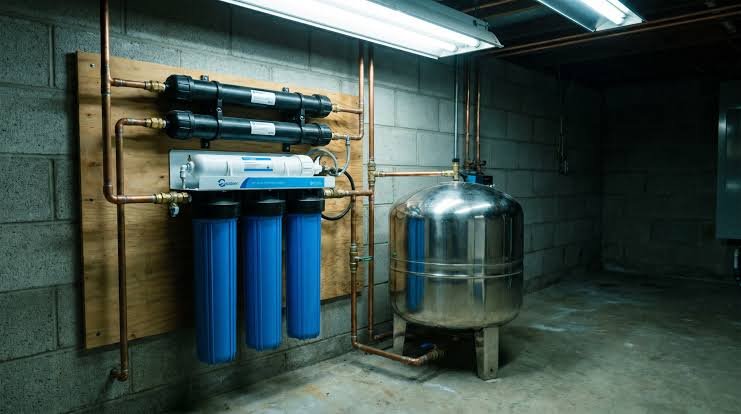
For example, a household might use a whole-home softener for hardness while using a separate drinking-water filtration or reverse osmosis system at the kitchen sink. Another property may need sediment filtration before other treatment equipment can work effectively.
The right setup depends on the water—not on whichever product happens to be most popular.
Professional Expertise Can Save Time and Money
There’s a certain appeal to doing everything yourself. Plenty of homeowners are perfectly comfortable replacing faucets, tightening fittings, or handling small plumbing jobs. But water treatment equipment can be more complicated than it first appears.
A highly skilled technician can identify installation challenges, size equipment correctly, and make sure the system integrates properly with the existing plumbing. That can prevent the frustrating situation of spending money on equipment only to discover that it isn’t performing as expected.
Professional help also gives homeowners someone to call when the system needs adjustment or service later. That peace of mind has value, especially when the equipment serves the entire household.
A Better Approach to Household Water
Hard water may not be the most dramatic household problem, but its effects can accumulate quietly. Scale, inefficient appliances, cleaning frustrations, and unnecessary plumbing wear can all add up over the years.
The good news is that homeowners don’t have to simply live with it.
Start by testing the water. Understand the hardness level and identify any additional water-quality concerns. Then choose treatment equipment based on those findings and the needs of the household. If professional installation is required, work with people who are willing to explain their recommendations instead of pushing the biggest or most expensive system.
Good water treatment isn’t about chasing perfection. It’s about making a practical improvement that fits your home, your water, and your everyday life. And sometimes, that means taking care of a problem you’ve gotten so used to that you barely notice it anymore.