Water is one of those everyday necessities that shouldn’t require much thought. You get thirsty, you reach for a glass, and that’s it. Yet in busy homes, offices, workshops, clinics, and shared spaces, having clean drinking water available isn’t always as simple as it sounds.
That’s where water coolers can still earn their place. They offer a convenient way to make drinking water easier, especially in places where people are constantly coming and going. But choosing one shouldn’t be based only on how cold the water gets or whether the machine looks good in the corner.
Capacity, water source, hygiene, maintenance, energy use, and the needs of the people using it all matter.
Why Convenient Drinking Water Changes Habits
It’s surprisingly easy to drink less water when getting it feels inconvenient.
Related storyWhen Your Water Doesn’t Seem Right: Understanding Common Household Water Problems
If the kitchen is far from a home office, employees have to walk across a building for a drink, or visitors don’t know where to find a faucet, people may simply skip it.
A dedicated drinking-water station removes some of that friction. It’s visible, accessible, and ready when someone needs it.
For families, that can mean children reaching for water instead of a sugary drink. At work, it gives employees an easy reason to take a short break and refill a bottle.
Related storyWhy Better Water Quality Matters More Than You Might Think
Little things, admittedly. But habits are often built around convenience.
Choosing a Cooler for a Home
Homes have different needs from offices or commercial spaces. A family of two probably doesn’t need the same capacity as a household with six people.
When comparing residential water coolers, think about how much water your family actually drinks and where the unit will be placed.
A compact countertop model might work well in a small kitchen. A freestanding unit may be more convenient for a larger family or a home where people frequently fill bottles.
Also consider the noise level. A cooler sitting beside a bedroom or quiet workspace shouldn’t sound like a small refrigerator constantly starting and stopping.
Related storyWhy Smart Businesses Are Taking a Closer Look at Their Water Systems
Storage and accessibility matter too. If the machine is difficult to refill or clean, people are less likely to use it consistently.
Bottled, Filtered, or Connected to the Water Supply?
Water coolers generally fall into a few broad categories.
Bottle-fed models use large refillable containers. They’re useful where a direct plumbing connection isn’t practical, but someone has to replace or refill the bottle.
Related storyChoosing the Right Water Treatment Installation: Why a Thoughtful Setup Makes All the Difference
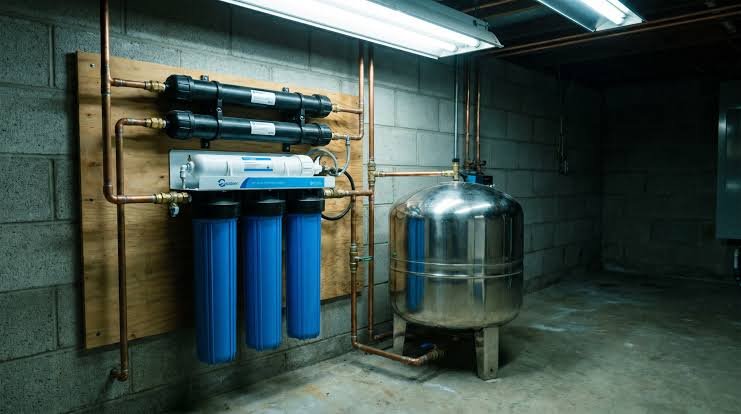
Point-of-use coolers connect directly to the building’s water supply and typically use filtration before dispensing. They can be convenient because there’s no need to store heavy water bottles.
Each approach has trade-offs.
Bottle-fed systems offer flexibility. Plumbed-in units can reduce manual handling and may make sense for high-use environments.
Think about logistics as much as technology. Who will replace bottles? Is there storage space? How easy is it to access the plumbing? What happens if the filter needs changing?
Related storyWhy Hard Water Leaves a Mark on Everyday Life
The practical details often matter more than the marketing brochure.
What Businesses Should Look For
An office with ten employees has different water demands from a warehouse with 100 workers or a busy reception area serving customers all day.
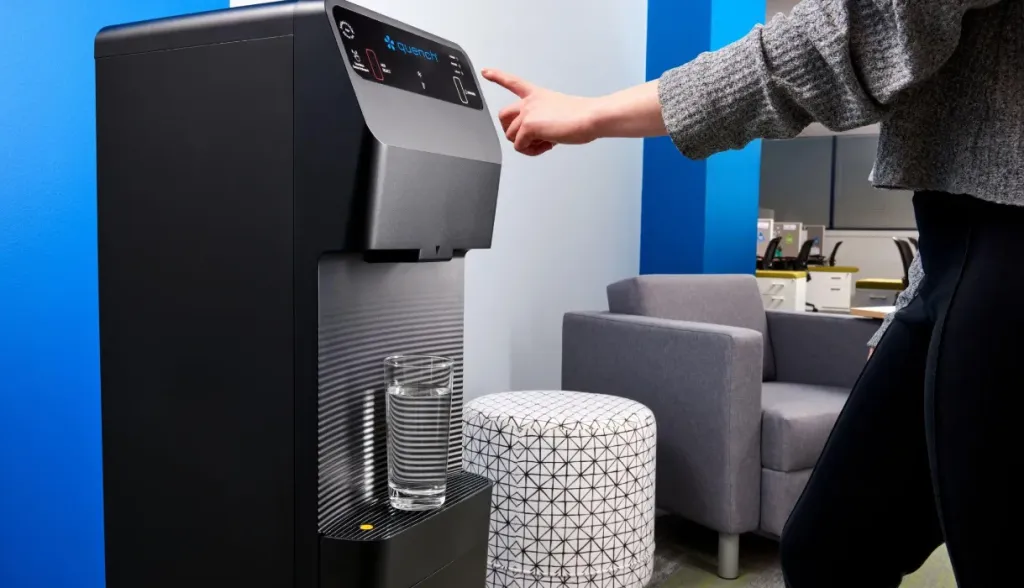
That’s why water coolers for businesses should be selected according to usage rather than appearance alone.
Consider peak demand. If everyone tends to take breaks around the same time, the cooler needs enough capacity to keep up.
Location is important too. A machine hidden in a back room isn’t particularly useful if employees have to cross the building to reach it.
Businesses should also consider maintenance responsibilities. Someone needs to monitor filters, clean dispensing areas, and arrange servicing when necessary.
A little planning upfront can prevent the familiar situation where a useful piece of equipment becomes neglected simply because nobody knows who is responsible for it.
Hygiene Should Never Be an Afterthought
A water cooler can dispense clean water, but the machine itself still needs to be maintained properly.
Touch points such as buttons, handles, and dispensing areas can accumulate dirt when many people use them throughout the day.
Regular cleaning is essential. Follow the manufacturer’s instructions for sanitizing the unit and replacing filters.
Bottle-fed systems require particular attention to bottle handling and storage. Plumbed-in units also need routine filter changes to maintain proper performance.
If the cooler is in a public or shared environment, cleaning frequency may need to be higher than it would be in a private household.
Clean drinking water is the goal. A dirty dispensing area obviously works against that.
Temperature Isn’t the Only Feature That Matters
Cold water is nice, especially on a hot day, but don’t let temperature become the entire buying decision.
Look at filtration technology, dispensing speed, energy efficiency, tank capacity, child-safety features if relevant, and ease of cleaning.
Some models provide both hot and cold water, which can be useful in offices where people regularly make tea or instant coffee.
However, more features can also mean more components to maintain.
Choose features that people will actually use. There’s little value in paying extra for a complicated control panel if everyone just wants a glass of cold water.
Placement Makes a Difference
Where you put the cooler can influence how often it’s used.
In a home, the kitchen or dining area is usually convenient. In an office, a break room or central common area may work better.
Avoid placing the machine somewhere cramped where maintenance becomes difficult. Leave enough space to replace bottles, access filters, and clean around the unit.
For businesses, visibility can also encourage healthier hydration habits. If people can see the water station, they’re more likely to use it.
Sometimes good placement is half the battle.
Don’t Forget the Ongoing Costs
The purchase price is only the beginning.
Depending on the type of cooler, ongoing expenses may include bottled water deliveries, filters, electricity, sanitation, repairs, and replacement parts.
Before buying, ask for a realistic estimate of annual operating costs.
A plumbed-in model may have a higher installation cost but lower ongoing handling requirements. A bottle-fed model may be easier to install but require regular deliveries and storage.
Neither option is automatically cheaper. It depends on usage.
A Simple Choice That Can Make Daily Life Easier
A water cooler isn’t the most exciting piece of equipment you’ll ever buy. That’s probably fine.
Its value comes from doing something simple reliably: making drinking water convenient and accessible.
For homes, the right unit can encourage better hydration without taking up half the kitchen. For workplaces, it can provide employees and visitors with a dependable drinking-water station.
The smartest choice starts with a few straightforward questions: How many people will use it? How much water do they need? Where will it sit? Who will maintain it? What will it cost to operate?
Answer those honestly, and the options become much clearer.
Good hydration doesn’t need to be complicated. Sometimes, all it takes is putting clean, accessible water exactly where people need it—and making it easy enough that nobody has an excuse to walk past it.