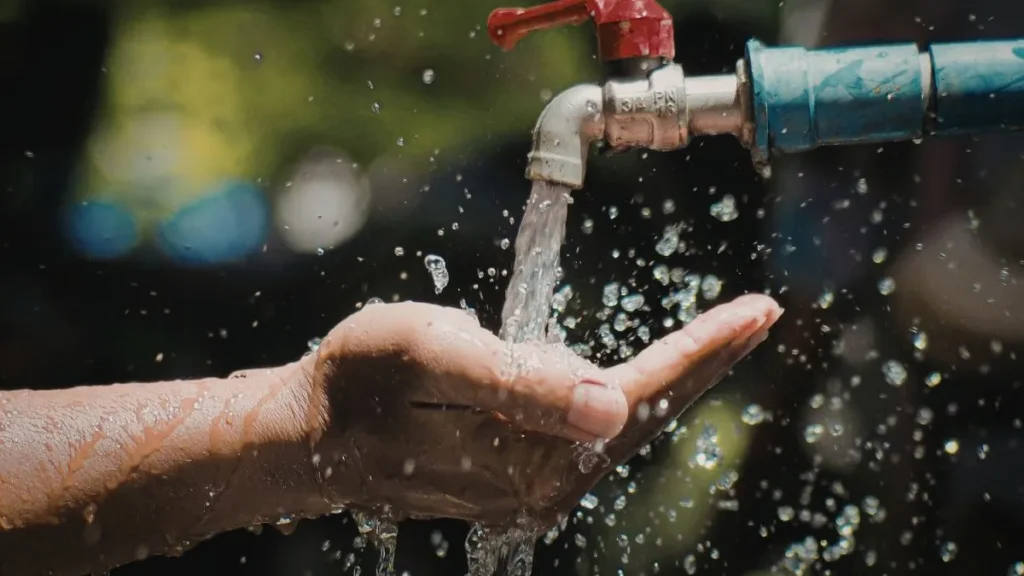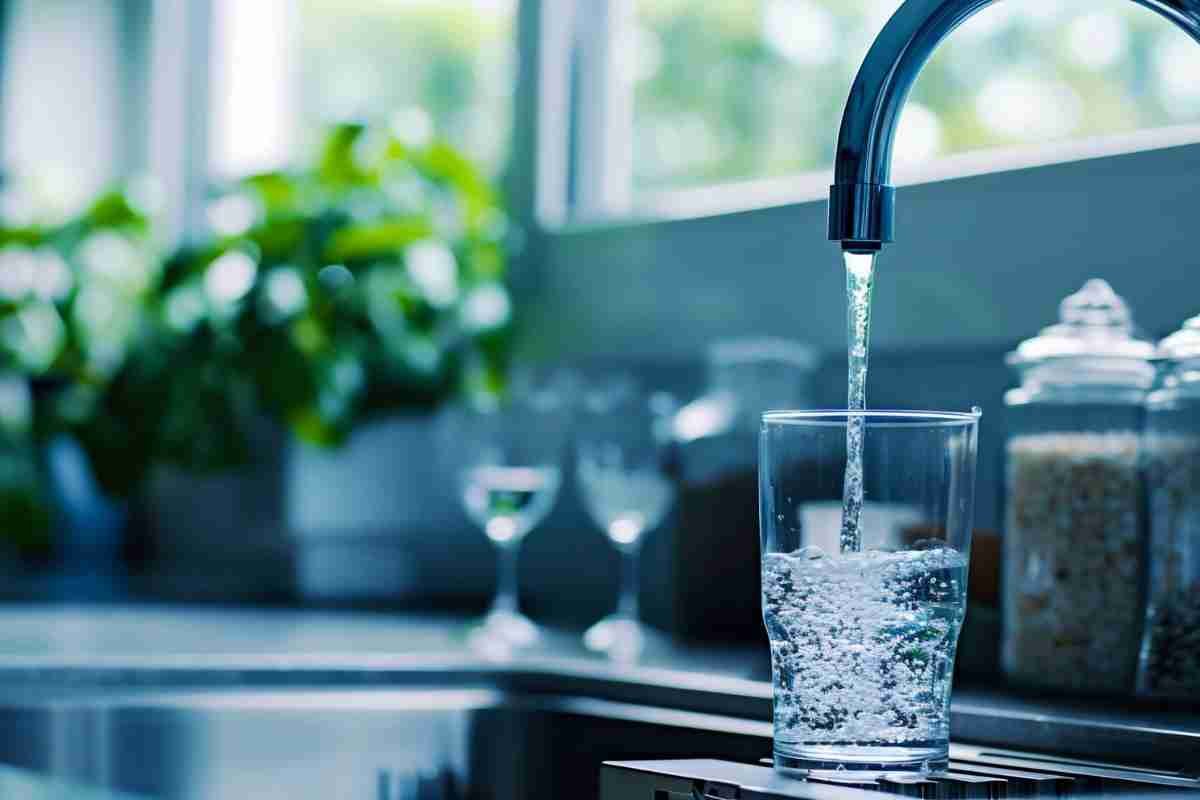
There’s a funny thing about water—it’s always there, quietly doing its job. You turn on the faucet without thinking twice, brew your morning coffee, rinse fresh vegetables, take a shower before work, and maybe even water the garden before sunset. It’s such a routine part of life that most of us only notice it when something seems off.
Maybe the tap starts tasting metallic. Perhaps white spots appear on your dishes no matter how carefully you clean them. Sometimes it’s an odd smell that comes and goes, leaving you wondering if it’s just your imagination.
The reality is that water deserves a little more attention than we usually give it. Understanding what’s flowing through your plumbing isn’t about creating unnecessary worry—it’s about making informed choices that benefit your family, your home, and even your wallet over time.
Related storyWhy Investing in Drinking Water Filtration Can Transform Everyday Life at Home
Every Home Has a Different Water Story
People often assume that everyone in the same city receives identical water. In reality, that’s not always true. Water can travel through different pipelines, older plumbing systems, or neighborhood infrastructure before it reaches your kitchen sink.
If your home relies on a private well, conditions can vary even more. Seasonal weather, nearby construction, natural minerals, and underground changes all play a role in the final quality of the water entering your home.
That’s why no two houses should automatically expect identical results. Even homes on the same street can experience different water characteristics.
Related storyWhy the Water in Your Glass Deserves More Attention
Why water quality Matters More Than You Think
When people hear the phrase water quality , they usually think about drinking water. That’s certainly important, but the effects reach much further than the glass sitting on your dining table.
Water touches almost every part of daily life. It washes your clothes, cleans your dishes, fills your coffee maker, runs through your water heater, and flows through every plumbing fixture in your house.
Hard water, for example, can leave mineral deposits inside appliances, reducing efficiency over time. High levels of certain minerals may affect soap performance, making laundry feel rough or leaving residue on bathroom fixtures. Even small changes in taste or odor can influence how much water people choose to drink each day.
Understanding your home’s water allows you to address these issues before they become frustrating—or expensive.
Related storyThe Everyday Water Problems Homeowners Shouldn’t Ignore
Small Clues Often Tell a Bigger Story
Your home has a way of communicating when something isn’t quite right.
Perhaps your showerhead develops mineral buildup every few months. Maybe your dishwasher leaves cloudy glasses, or your water heater seems less efficient than it used to be. Some homeowners notice orange stains around sinks or tubs, while others experience dry skin after bathing.
These signs don’t necessarily indicate dangerous water, but they often point toward conditions worth investigating. Ignoring them doesn’t usually make them disappear.
Related storyChoosing the Right Water Treatment Installation: Why a Thoughtful Setup Makes All the Difference
Instead, they serve as gentle reminders that your home’s water deserves a closer look.
Clean Water Supports Everyday health and safety
Water isn’t only something we drink. We cook with it, brush our teeth using it, bathe our children in it, and wash fruits and vegetables before every meal.
That’s why maintaining good water quality contributes to overall health and safety . Knowing what’s present in your water helps homeowners make confident decisions, whether that means installing filtration, softening hard water, or simply confirming that everything is already in excellent condition.
For families with young children, elderly relatives, or individuals with sensitive immune systems, having accurate information provides valuable peace of mind.
Related storyWhen Your Water Doesn’t Seem Right: Understanding Common Household Water Problems
Rather than relying on assumptions, testing allows decisions to be based on facts.
Testing Removes the Guesswork
One of the biggest mistakes homeowners make is trying to diagnose water issues based solely on appearance.
Clear water isn’t always perfect, and cloudy water doesn’t automatically mean something dangerous is present. Taste, smell, and color provide clues, but they don’t tell the complete story.
Professional water testing evaluates important factors such as hardness, pH balance, chlorine levels, iron, manganese, bacteria, nitrates, and other contaminants depending on your location and water source.
The results often surprise people. Sometimes water that tastes unusual is completely safe but contains harmless minerals. Other times, perfectly clear water may benefit from additional treatment.
Either way, reliable information always beats educated guessing.
Simple Improvements Can Make Everyday Life Easier
The goal isn’t to convince every homeowner to install expensive equipment.
In many cases, water requires little or no additional treatment. For others, relatively simple improvements make a noticeable difference.
A properly selected water softener can reduce mineral buildup throughout the house. Drinking water filtration systems may improve taste and odor. Whole-house filtration can address specific contaminants when testing indicates they’re present.
The important part is choosing solutions that match actual needs rather than buying products based on marketing claims.
When recommendations follow professional testing, homeowners often avoid unnecessary expenses while getting better long-term results.
Smart Water Decisions Also protect your home
Most people think of water in terms of personal health, but good water management can also protect your home from avoidable wear and tear.
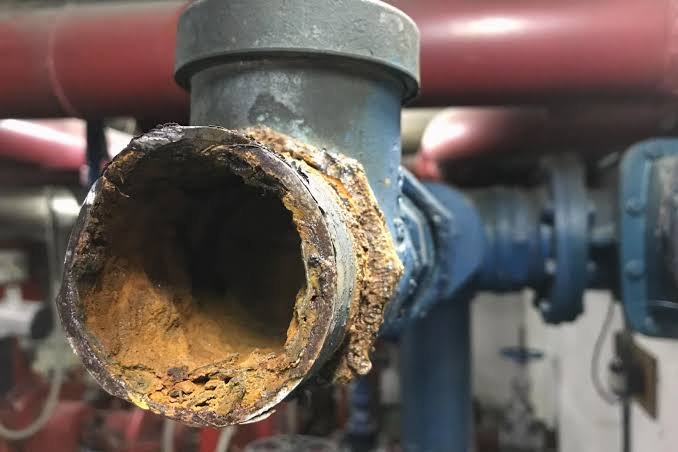
Mineral scale inside pipes may gradually reduce water flow. Hard water forces appliances like washing machines, dishwashers, and water heaters to work harder than necessary. Plumbing fixtures often require more frequent cleaning when minerals accumulate over time.
Addressing water issues early can help appliances operate more efficiently, reduce maintenance costs, and extend the lifespan of expensive household systems.
It’s one of those situations where a little preventive attention often prevents much larger repair bills later.
Peace of Mind Is Worth More Than Assumptions
Life is busy. Between work, family responsibilities, errands, and everything else, water probably isn’t high on anyone’s list of daily concerns.
Still, taking a little time to understand what’s flowing through your home’s plumbing can make an unexpected difference. Whether the results confirm that your water is excellent or identify opportunities for improvement, you’ll know you’re making decisions based on reliable information rather than guesswork.
At the end of the day, clean water supports countless moments we barely notice—from that first cup of coffee in the morning to the last load of laundry before bedtime.
And perhaps that’s exactly why it’s worth paying attention to. The best household investments aren’t always the ones you see every day. Sometimes they’re the ones quietly working behind the scenes, making life healthier, easier, and just a little more comfortable for everyone under your roof.