A reliable water system is one of those things you don’t really think about until it stops working. One day the pressure is perfect, the pump starts when it should, and everything runs quietly. The next, you’re standing at a faucet wondering why the water has slowed to a trickle.
The truth is, pumps rarely work alone. A well-designed water system depends on a combination of controls, tanks, motors, switches, and accessories that work together behind the scenes. Choosing the right components can improve performance, reduce unnecessary wear, and make everyday water delivery much more dependable.
Whether you’re maintaining a residential well system, upgrading an agricultural setup, or managing a larger water supply, understanding these components is worth the effort.
Related storyChoosing the Right Water Treatment Installation: Why a Thoughtful Setup Makes All the Difference
Why Pump Controls Matter More Than You Might Think
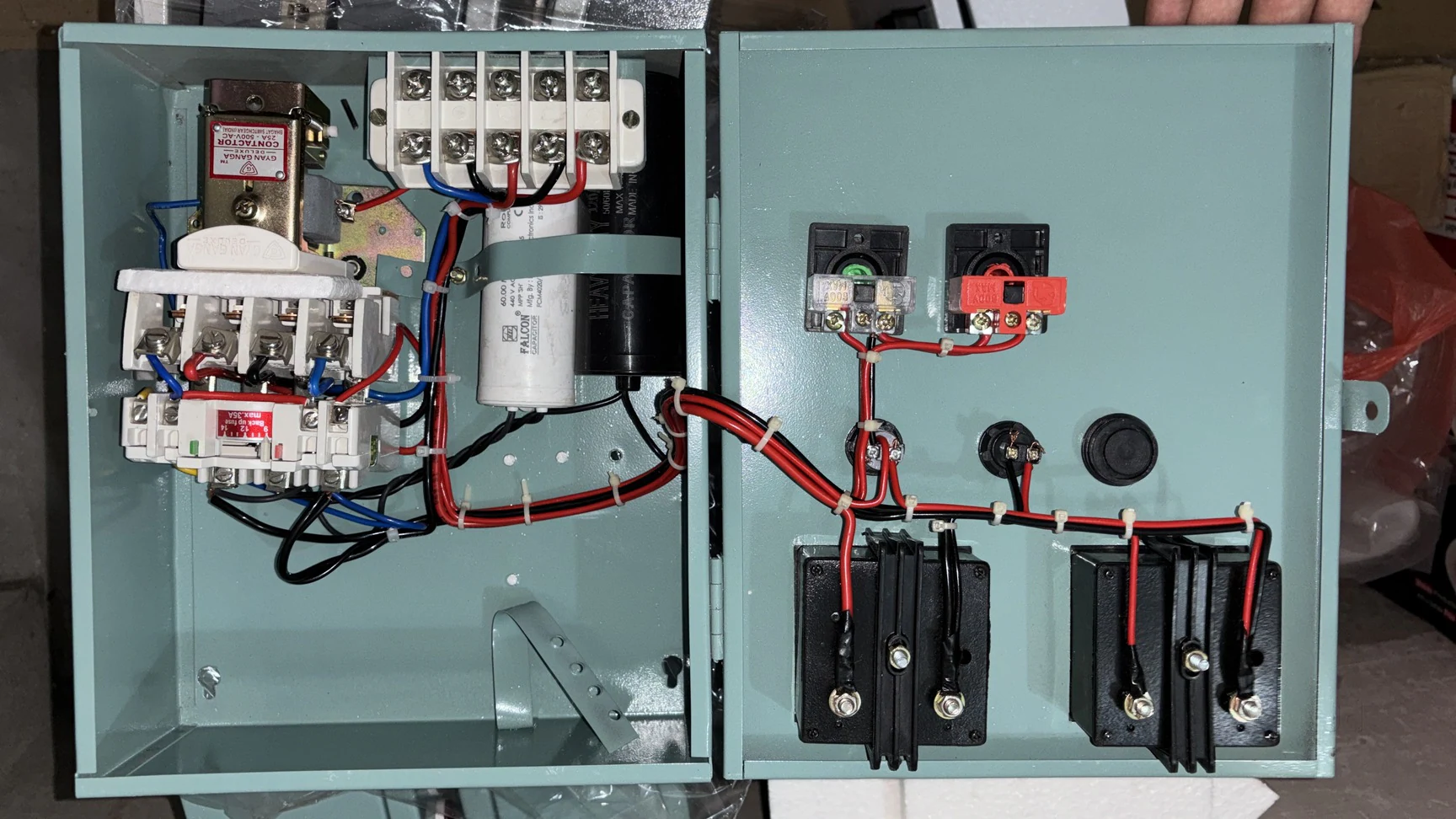
Pump controls essentially act as the brain of a water system. They determine when a pump should start, stop, or adjust its operation based on demand and pressure conditions.
Modern level controls can help monitor water levels in wells, storage tanks, and reservoirs. When the water reaches a particular point, the control can signal the pump to turn on or off. This sounds simple, but it can prevent some surprisingly expensive problems.
Running a pump without enough water, for example, may cause overheating or premature component failure. On the other hand, allowing a storage tank to overflow is simply wasteful. Proper level monitoring helps keep the system balanced.
For property owners, this also means less guesswork. Instead of constantly checking tank levels or listening for a pump that seems to run too often, an automatic control system can handle much of the routine work.
Related storyThe Everyday Water Problems Homeowners Shouldn’t Ignore
Pressure Tanks Help Keep Water Delivery Steady
Have you ever turned on a faucet and noticed the pump kicking on almost immediately? If that happens repeatedly, the system may be experiencing short cycling. Besides being annoying, frequent starts and stops can put considerable stress on a pump motor.
That’s where pressure tanks come in.
A pressure tank stores a reserve of pressurized water, allowing the system to meet smaller demands without starting the pump every single time. The pump can run for a longer, more efficient cycle and then remain off while the stored water is being used.
Choosing the right pressure tanks & accessories is important because tank size, pressure settings, and system requirements all need to work together. A tank that’s too small may not provide enough reserve capacity, while an improperly adjusted system can lead to pressure fluctuations.
It’s a small detail that can make a big difference over years of operation.
Understanding Submersible Pump Motors
Submersible pumps are commonly used in wells because the pump itself sits below the water surface. This arrangement allows the pump to push water upward efficiently, making it a practical choice for deep wells and many residential water systems.
Related storyWhat Homeowners Should Know Before Starting a Professional System Installation Project
But the motor is the real workhorse.
Because it operates underwater, a submersible motor needs to be correctly sized for the well depth, water demand, flow rate, and electrical supply. Installing a motor that’s too powerful isn’t necessarily better. In fact, oversizing can increase energy consumption and create unnecessary stress on the system.
Likewise, an undersized motor may struggle to meet demand and run continuously. That can shorten its service life.
Quality submersible pump controls & motors are therefore an important part of building a dependable system. Matching the motor and controls to the actual application is usually much smarter than simply choosing the biggest available option.
Signs Your Pump System Needs Attention
Water systems tend to give off warning signs before a complete failure. The problem is that those signs are easy to overlook.
Related storyUnderstanding What’s in Your Water: Why More Homeowners Are Paying Attention
Keep an eye out for things such as:
- Frequent pump cycling
- Sudden drops in water pressure
- A pump that runs continuously
- Unusual humming, clicking, or grinding noises
- Water that stops unexpectedly
- Electrical breakers that trip repeatedly
- Slow recovery of water pressure after heavy use
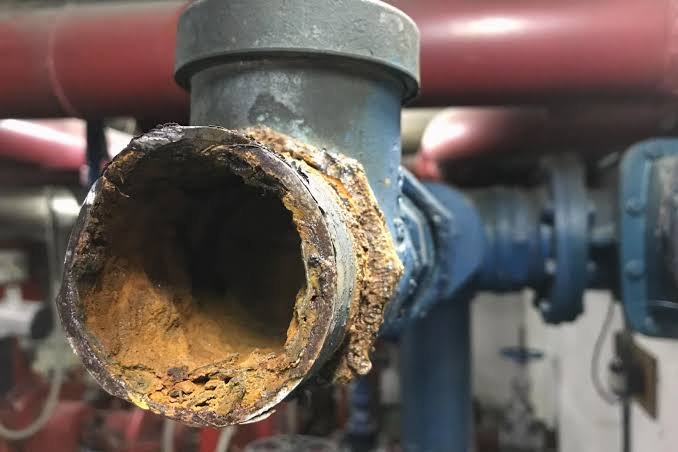
None of these symptoms should automatically be blamed on the pump itself. A faulty pressure switch, damaged wiring, inadequate tank pressure, clogged piping, or a low water level can create similar problems.
That’s why troubleshooting should start with the whole system rather than immediately replacing the most expensive component.
Choosing Components Based on Real Water Demand
One common mistake is selecting equipment based only on the size of the property or the pump’s horsepower. Water demand is more complicated than that.
Related storyWhen Old Plumbing Starts Telling You It’s Time for a Change
Think about how the system is actually used. A small home with two occupants has very different requirements from a large household with several bathrooms, irrigation, livestock, or workshop equipment.
Flow rate matters. So does well depth. Static water level, pressure requirements, pipe size, and peak demand all influence the correct equipment selection.
For example, a pump that works perfectly for occasional household use may struggle when irrigation zones are added later. Planning ahead can prevent that headache.
A professional water-system assessment can help determine the appropriate combination of pump capacity, controls, tank size, and accessories before money is spent on equipment that doesn’t quite fit.
Maintenance Is Cheaper Than an Emergency
Nobody enjoys maintenance. It’s easy to postpone when everything appears to be working fine. But pump systems are often hidden underground or inside equipment rooms, so small problems can continue unnoticed for months.
Routine inspections can identify pressure issues, electrical problems, damaged connections, or tank-related concerns before they become major failures.
It’s also worth checking system pressure periodically and keeping an eye on how often the pump cycles. A noticeable change in normal behavior is often more useful than waiting for a complete breakdown.
For well systems especially, professional inspections can provide peace of mind. The goal isn’t to replace components unnecessarily. It’s to catch genuine problems while they’re still manageable.
Getting More Life From Your Water System
Good equipment helps, but installation and setup matter just as much. Even a high-quality pump can perform poorly if the controls are incorrectly configured or the motor isn’t properly matched to the application.
When replacing components, avoid treating each part as an isolated purchase. The pump, motor, pressure tank, switches, valves, and controls form one system. Changing one component can affect the performance of the others.
That’s the part many homeowners discover the hard way.
A thoughtful installation considers present water needs as well as future changes. Maybe you’ll add a bathroom, expand irrigation, or increase household demand. Building a little flexibility into the system now can save a fair amount of trouble later.
The Bottom Line
A dependable water system doesn’t happen by accident. It comes from choosing compatible equipment, understanding actual water demand, and paying attention to the small warning signs that appear along the way.
Pump controls help manage operation. Pressure tanks reduce unnecessary cycling. Properly matched submersible motors deliver water efficiently from wells and other sources. Together, these components create a system that can quietly do its job for years.
And really, that’s what you want from a water system. You shouldn’t have to think about it every morning. When the right components are selected, installed correctly, and maintained sensibly, reliable water delivery simply becomes part of the background — exactly where it belongs.