We don’t usually think twice about water. It’s there when we wake up, beside the coffee maker, in the shower, and waiting in the refrigerator. A glass of drinking water can seem like the simplest thing in the world.
Yet water quality isn’t always as obvious as it looks.
Clear water may still contain dissolved minerals, microorganisms, metals, or other substances that aren’t visible to the eye. Some affect taste and smell, while others may require careful testing and treatment. This doesn’t mean homeowners should worry about every glass they drink. It simply means that knowing where your water comes from and understanding its quality is a smart part of taking care of a home.
What Makes Water Quality Important?
The phrase water quality covers a lot more than whether water looks clean.
Quality can involve its physical appearance, chemical composition, mineral content, and microbiological condition. Depending on the source, water may contain hardness minerals, iron, manganese, sediment, chlorine, nitrates, or other substances.
Municipal water systems generally treat and monitor their supplies, while private well owners are responsible for arranging appropriate testing themselves. Neither situation means the water is automatically good or bad. The actual conditions matter.
Related storyWhy Hard Water Leaves More Than Just Spots Behind
This is why water testing is so useful. It replaces assumptions with information.
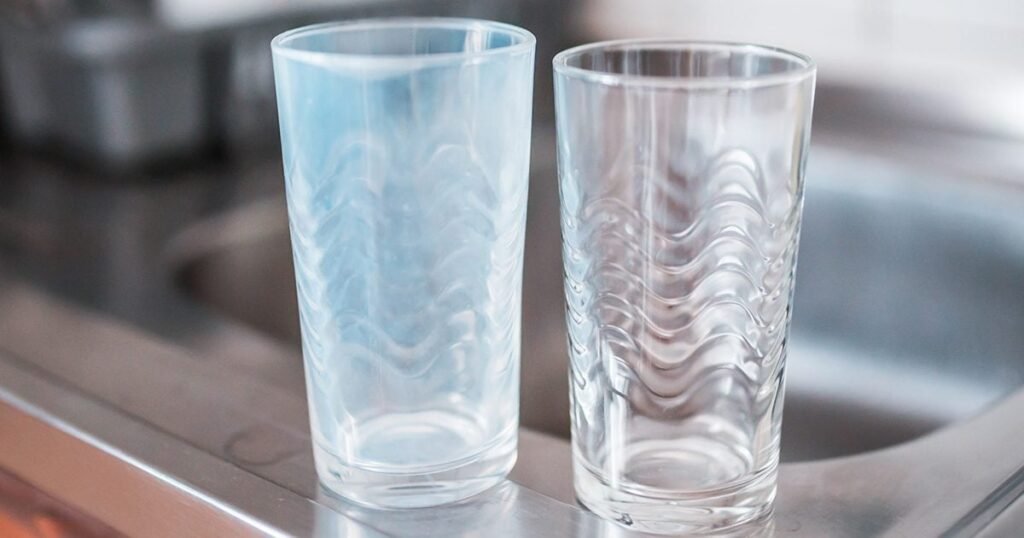
A homeowner might complain about white spots on dishes, for instance, and discover that hardness is the main issue. Someone else may have orange staining caused by iron. Another household may have perfectly clear water but want to investigate an unusual taste or odor.
Different problems call for different answers.
Water Can Look Fine and Still Need Testing
Our senses are helpful, but they have limits.
You can notice cloudiness, sediment, strange smells, or unusual flavors. What you can’t reliably detect is every dissolved contaminant. Some substances have no obvious color, odor, or taste at the concentrations that matter.
Related storyA Closer Look at Whole-Home Reverse Osmosis and Smarter Water Treatment
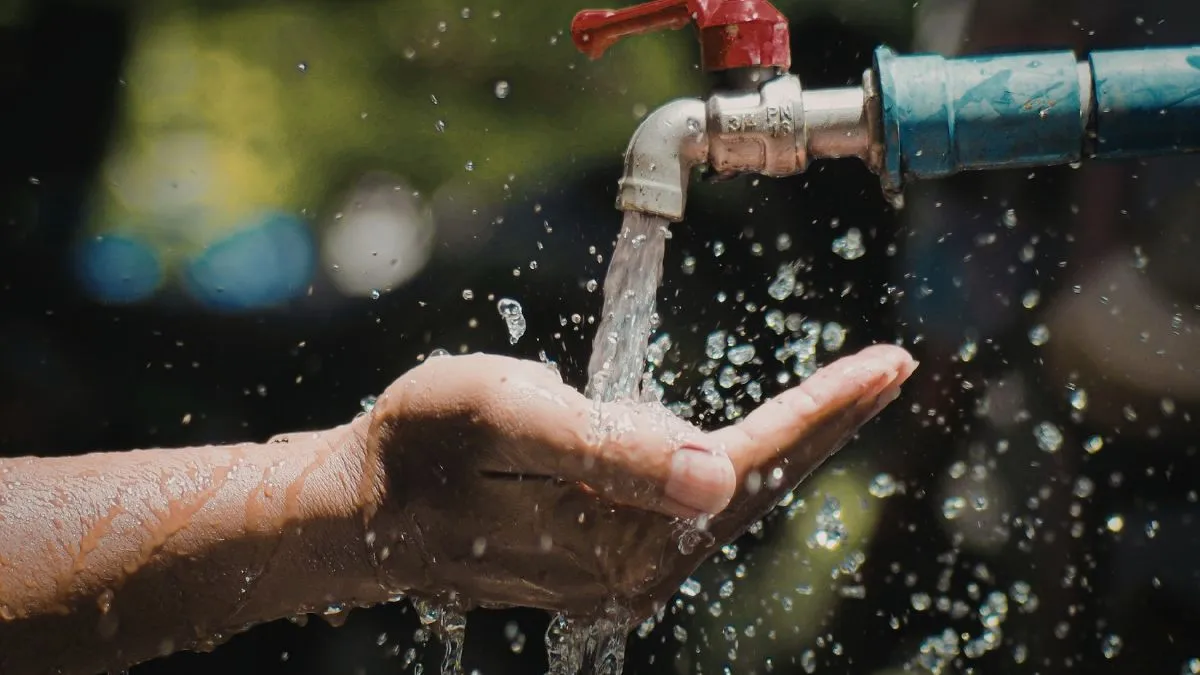
This is particularly relevant to private wells. Groundwater moves through soil and rock, picking up minerals and other naturally occurring substances along the way. Local agriculture, septic systems, flooding, and changes in land use can also influence groundwater.
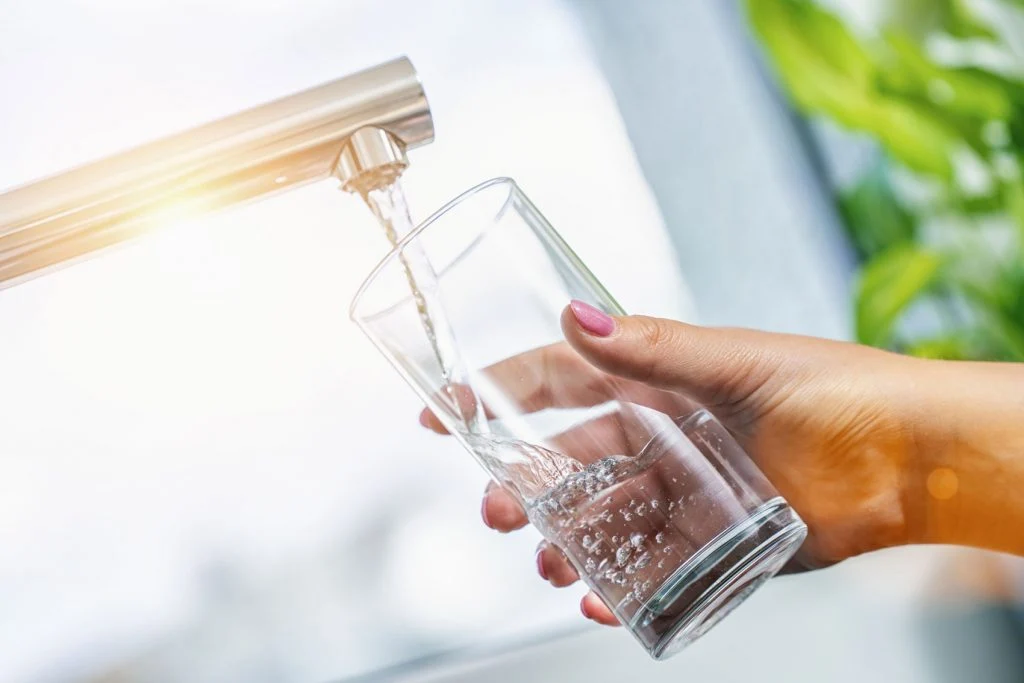
A clear glass therefore isn’t a complete water-quality report.
Regular or situation-specific testing can provide a much clearer picture.
Common Household Water Concerns
Homeowners encounter a surprisingly wide range of water-quality issues.
Hard water is one of the most common. Calcium and magnesium can create scale on faucets, shower doors, and appliances. Iron may cause orange or reddish stains, while manganese can create darker deposits.
Related storyWhy Paying Attention to Your Home’s Water Today Can Save Bigger Problems Tomorrow
Sediment is another concern, particularly with some private wells. Tiny particles can collect in faucet aerators, filters, and plumbing fixtures.
Then there are microbial concerns. Certain bacteria, viruses, and parasites can enter water through environmental contamination, damaged wells, flooding, or wastewater problems.
The important thing is not to assume that every issue is a health emergency. Some problems are mainly aesthetic or related to plumbing. Others require more careful attention.
Related storyWhy Investing in Drinking Water Filtration Can Transform Everyday Life at Home
Testing helps separate those situations.
Understanding Potential Health Impacts
When people hear about contaminated water, they often jump immediately to the worst-case scenario. The reality is more nuanced.
The health impacts of a water-quality issue depend on the substance involved, its concentration, the duration of exposure, and individual circumstances.
Some contaminants are mainly associated with taste, odor, or staining at typical household concentrations. Others can pose health concerns when present above applicable limits.
For that reason, homeowners shouldn’t rely on internet searches or product advertisements to determine whether water is safe. If a test identifies a potentially harmful contaminant, the appropriate next step is to consult reliable health and water-quality guidance.
Related storyWhen Your Water Doesn’t Seem Right: Understanding Common Household Water Problems
Good information matters more than fear.
Why Private Well Owners Should Stay Informed
A private well can provide excellent water, but it also requires active management.
Unlike a municipal system, a private well doesn’t come with a centralized treatment and monitoring program serving the homeowner. The property owner generally needs to arrange testing and keep an eye on the well itself.
Testing can be especially important after flooding, heavy rainfall, major repairs, or changes near the well.
It’s also useful to keep previous test results. Establishing a baseline gives you something to compare with future results. If a reading changes significantly, you’ll have a clearer indication that the water chemistry may have shifted.
It’s a simple habit that can provide considerable peace of mind.
Choosing Water Treatment Based on the Problem
Once testing identifies an issue, treatment becomes much easier to approach.
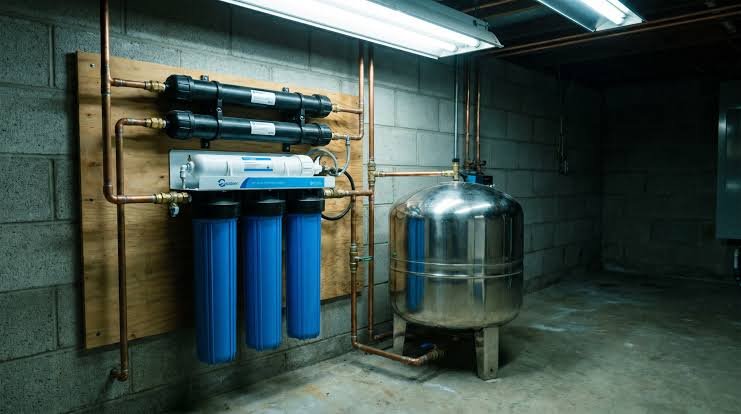
Sediment filters can reduce suspended particles. Activated carbon is commonly used for certain taste, odor, and chlorine concerns. Water softeners are designed primarily to reduce hardness. Reverse osmosis can reduce many dissolved substances at a point of use, while ultraviolet systems can help control microorganisms under suitable conditions.
Some homes need more than one technology.
That’s perfectly normal.
For example, a household might use whole-home filtration for sediment or chlorine and a separate drinking-water system for additional treatment in the kitchen.
The goal isn’t to install as many filters as possible. It’s to use the right equipment for the actual water conditions.
Don’t Forget About Plumbing
Water quality and plumbing are closely connected.
Older pipes and fixtures can sometimes influence what comes out of the tap. Hard water can contribute to scale inside plumbing and appliances. Sediment can collect in aerators and valves.
If water quality suddenly changes, consider both the source and the plumbing.
A problem affecting one faucet may not represent the entire household water supply. Testing at different points, when appropriate, can help identify where the issue is occurring.
Good Water Treatment Requires Maintenance
Even a properly selected treatment system won’t maintain itself forever.
Filters need replacing. Water softeners require servicing. Reverse osmosis membranes eventually need attention. UV systems depend on proper maintenance and component replacement.
Ignoring these tasks can reduce performance.
A simple maintenance calendar is usually enough. Record filter changes, service dates, and water-test results. If something changes, you’ll have a useful history to review.
It may not be exciting, but routine maintenance is one of the easiest ways to protect your investment.
A Practical Way Forward
Water quality doesn’t need to become an obsession. It just deserves a little attention.
Start by understanding your water source. Pay attention to changes in taste, odor, appearance, or staining. Test when appropriate, especially if you’re using a private well or notice something unusual.
If a problem is identified, choose treatment based on the test results rather than a generic promise.
Most importantly, remember that good water management is about informed decisions, not fear. Water is part of nearly every household routine, from cooking and cleaning to bathing and drinking.
Taking the time to understand what’s in it can help you protect your home, maintain your plumbing, and make sensible choices about the water your family uses every day.
Sometimes, the simplest step—testing the water you already have—is the one that tells you the most.