There are certain things in a home that only get attention when they stop working. A water heater sits pretty high on that list.
Most days, nobody thinks about it. You wake up, take a shower, wash dishes after dinner, maybe run a late-night load of laundry, and the system quietly does its job in the background. It’s one of those invisible comforts people assume will always be there.
Then one morning the shower turns cold halfway through, and suddenly the entire house feels different.
Related storyWhen Water Flow Slows Down, Your Home May Be Sending a Warning
It’s funny how quickly reliable hot water becomes important the moment it disappears.
Small Problems Usually Show Up First
Water heaters rarely fail dramatically right away. Most of the time, they leave clues.
The water takes longer to heat. Strange popping sounds come from the tank. Temperatures become inconsistent. Some days the shower feels fine, and other days it barely stays warm long enough to rinse shampoo out properly.
I remember visiting a friend whose heater had been “acting weird” for almost a year. He ignored it because the system technically still worked. Eventually, the unit failed during a freezing week in January, and suddenly a minor inconvenience turned into an emergency replacement.
Related storyWhen Old Plumbing Starts Telling You It’s Time for a Change
That’s usually how these things happen. Homeowners adjust slowly to declining performance until the system finally forces attention.
Why Water Heaters Matter More Than We Notice
Hot water affects daily life in quiet ways most people never stop to think about.
Morning routines depend on it. So does laundry, dishwashing, cooking, cleaning, and even simple things like washing your hands comfortably during winter. When the system works properly, it blends into the background of normal life.
Related storyChoosing the Right Water Treatment Installation: Why a Thoughtful Setup Makes All the Difference
When it doesn’t, every routine suddenly feels harder.
And honestly, a struggling water heating system can impact more than comfort alone. Older or poorly maintained units often use more energy while delivering worse performance at the same time. Utility bills rise gradually. Water pressure sometimes changes. Appliances connected to the system may experience extra wear from mineral buildup or inconsistent heating.
The frustrating part is that homeowners often blame the wrong thing first.
They replace showerheads. Change detergents. Adjust thermostats. Meanwhile, the actual issue has been sitting quietly in the utility room the entire time.
The Difference Maintenance Makes
One of the biggest misconceptions homeowners have is that water heaters require zero attention until they break.
Technically, yes, some units survive for years with almost no maintenance. But “surviving” and “working efficiently” aren’t the same thing.
Related storyWhy More Homeowners Are Taking a Closer Look at the Water They Drink
Sediment naturally collects inside tanks over time, especially in areas with hard water. That buildup forces the system to work harder to heat the same amount of water. Efficiency drops. Strange noises begin. Internal components wear out faster than they should.
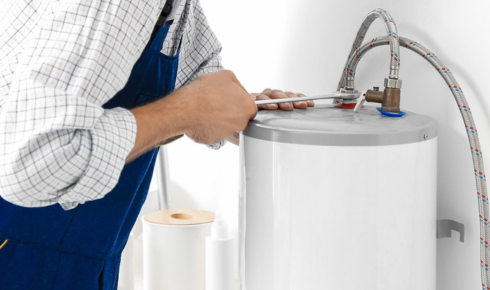
That’s where regular water heater service becomes important.
Simple inspections, flushing sediment, checking valves, and monitoring pressure can extend the lifespan of the system significantly. And compared to emergency replacement costs, maintenance is usually far less stressful on the budget.
Not glamorous advice, maybe. But practical.
Tank vs. Tankless Conversations Are Everywhere Now
A lot of homeowners exploring replacement options eventually end up debating tank versus tankless systems.
Related storyWhy Paying Attention to Your Home’s Water Today Can Save Bigger Problems Tomorrow
And honestly, both have strengths.
Traditional tank heaters remain popular because they’re reliable and generally less expensive upfront. Tankless systems appeal to homeowners looking for energy efficiency and continuous hot water without storing large amounts in a tank.
But the right choice depends heavily on household habits.
A large family running multiple showers and appliances simultaneously may need something completely different from a smaller household with lower demand. That’s why sizing and professional guidance matter more than flashy marketing promises.
The “best” system is usually the one that fits real daily life instead of forcing homeowners to adjust around it.
Water Quality Affects Heater Performance Too
One thing many people overlook is how much local water conditions influence heater lifespan.
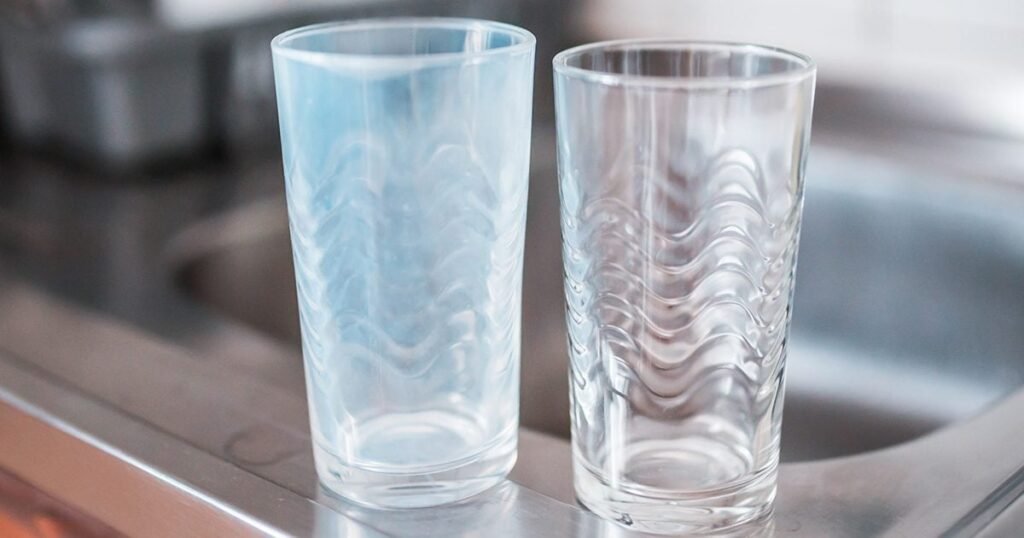
Hard water creates mineral buildup inside tanks and heating elements over time. Sediment reduces efficiency. Corrosion can accelerate if the water chemistry isn’t balanced properly.
I once rented an apartment where the heater constantly made loud rumbling noises. The landlord brushed it off as normal until a plumber explained years of mineral accumulation had essentially turned the tank into a kettle filled with loose rock deposits.
After hearing that, I never ignored strange heater noises again.
Reliable Hot Water Changes the Feel of a Home
There’s something deeply comforting about stepping into a hot shower after a long day and not worrying whether the temperature will suddenly disappear.
Reliable systems create a sense of ease homeowners rarely think about until that reliability disappears.
The dishes get cleaned properly. Laundry finishes without issue. Guests can shower comfortably. Morning routines move smoothly instead of feeling rushed and frustrating.
Small details, really.
But homes are built around small details repeated every single day.
Paying Attention Early Usually Prevents Bigger Problems
Most serious heater failures begin as manageable warning signs people postpone dealing with. A strange noise here. Slower heating there. Slightly inconsistent temperatures that don’t seem urgent enough to schedule service for right away.
Then eventually the system stops cooperating entirely.
The good news is that many issues become much easier and cheaper to address when caught early. Routine maintenance, occasional inspections, and paying attention to subtle performance changes often keep systems running reliably for years longer than expected.
And honestly, few homeowners regret investing in comfort once they experience the alternative.
Because when hot water disappears, you suddenly realize how much of daily life quietly depended on it all along.