The Air You Breathe Deserves More Attention
Most homeowners think about keeping their homes clean by vacuuming carpets, wiping down kitchen counters, or organizing living spaces. Those things certainly matter, but there’s another part of the home that’s just as important and often completely overlooked—the air.
Unlike dusty shelves or muddy floors, indoor air can’t be seen. That makes it easy to forget it’s there. Yet every breath you take depends on its quality. Whether you’re sleeping, working from home, cooking dinner, or spending time with family, the air surrounding you quietly influences comfort throughout the day.
As awareness of indoor environmental health continues to grow, more families are realizing that improving air quality isn’t simply about reducing dust. It’s about creating a living space that feels fresher, cleaner, and more comfortable every single day.
Related storyChoosing the Right Water Treatment Installation: Why a Thoughtful Setup Makes All the Difference
Indoor Air Isn’t Always As Clean As It Looks
A room can appear spotless while still containing countless tiny particles floating through the air.
Dust is only one piece of the puzzle.
Pet dander, pollen, mold spores, smoke residue, cooking fumes, cleaning product vapors, and microscopic pollutants can all remain suspended indoors without being visible. Because modern homes are designed to be energy efficient, they often stay tightly sealed, allowing these particles to circulate repeatedly through heating and cooling systems.
That’s why people sometimes notice persistent odors, stuffy rooms, or recurring dust even after cleaning thoroughly.
Related storyThe Often-Overlooked Exterior Details That Make a Home Stronger and More Beautiful
The issue often isn’t housekeeping—it’s the air itself.
Every Home Faces Different Challenges
No two households experience identical indoor conditions.
A home with several pets has different air quality concerns than one occupied by a single resident. Families living in humid climates may battle excess moisture, while homes near busy roads often experience increased outdoor pollutants entering through doors and ventilation systems.
Even everyday activities contribute to indoor air quality.
Cooking releases grease particles into the air.
Burning candles creates fine smoke particles.
Vacuuming can temporarily stir up settled dust.
New furniture, flooring, and paint sometimes release compounds that linger for weeks.
Because every home is unique, improving air quality starts with understanding the specific conditions affecting your living space rather than assuming every solution works equally well.
Related storyThe Everyday Water Problems Homeowners Shouldn’t Ignore
Modern Solutions Have Come a Long Way
Air cleaning equipment has improved dramatically over the past decade.
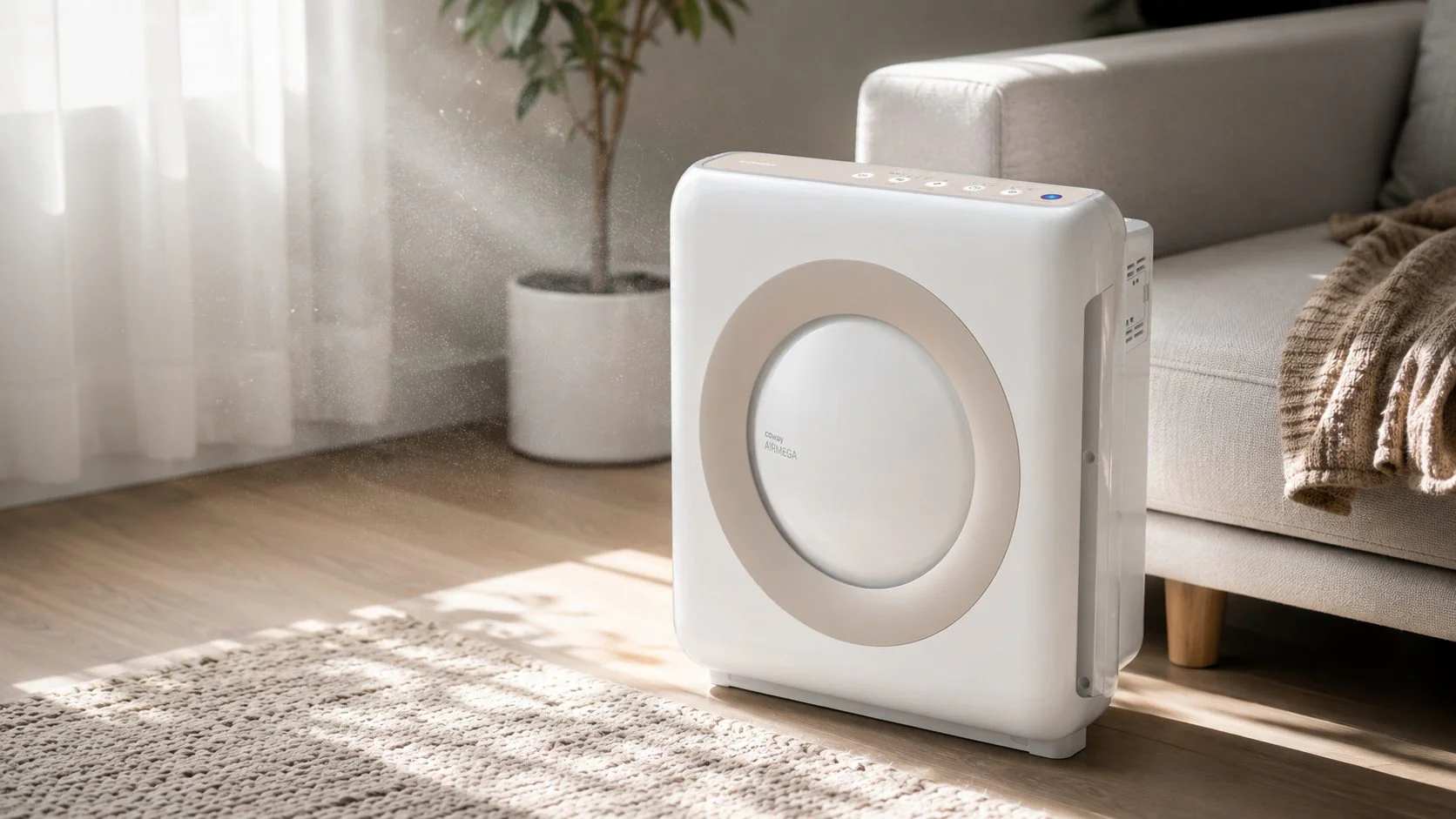
Today’s air purification technology is designed to continuously improve indoor air while requiring very little attention from homeowners. Advanced filtration systems can capture fine particles, reduce odors, and help improve overall air circulation throughout the home.
Some systems operate independently in individual rooms, while others integrate directly into an existing HVAC system, quietly cleaning the air as it moves through every room.
The best part is that modern technology works in the background. Once installed, many systems require little more than occasional filter replacement and routine maintenance.
Related storyHow Better Water Management Supports Safer, More Efficient Industrial Operations
Tiny Particles Can Create Big Problems
Many of the things affecting indoor air are far too small to notice with the naked eye.
These harmful airborne particles may include pollen, dust mites, pet allergens, smoke residue, mold spores, and other microscopic contaminants that circulate throughout the home each time the heating or cooling system runs.
Although these particles are invisible, they often contribute to rooms feeling dusty or stale much faster than expected.
Removing them isn’t about making the house look cleaner.
It’s about making the environment itself feel more comfortable for everyone who lives there.
Related storyWhy Paying Attention to Your Home’s Water Today Can Save Bigger Problems Tomorrow
Even guests sometimes notice the difference without realizing exactly why the home feels fresher.
Cleaner Air Changes Everyday Living
The improvements from better indoor air quality usually don’t arrive with dramatic fanfare.
Instead, they quietly become part of everyday life.
Rooms smell fresher.
Dust seems to settle more slowly.
Sleeping often feels more comfortable.
Lingering cooking odors disappear faster.
The home simply feels lighter somehow.
These small improvements may sound ordinary, but together they create a noticeably more enjoyable place to live.
Like upgrading your mattress or replacing old windows, cleaner air becomes something you appreciate every single day without constantly thinking about it.
Air Quality Isn’t Just About Allergy Season
People often associate indoor air improvements only with allergies.
While cleaner air can certainly support seasonal comfort, the benefits extend much further.
Fresh indoor air contributes to a more pleasant atmosphere year-round, regardless of the season. Families with young children, pets, older adults, or frequent visitors often appreciate having consistently fresh indoor air without relying solely on open windows or portable fans.
Improving air quality isn’t about eliminating every particle from the environment.
It’s about reducing unnecessary pollutants while creating a space where everyone feels more comfortable spending time indoors.
Building A Better Home Starts With Better Air
Creating a healthier home environment involves much more than attractive furniture or modern appliances.
Comfort depends on factors people rarely see.
Temperature.
Humidity.
Ventilation.
Air movement.
Cleanliness.
When these elements work together, the entire house feels more inviting.
Cleaner indoor air supports that balance by reducing unwanted particles while helping heating and cooling systems distribute fresher air more effectively throughout the home.
It’s one of those improvements that quietly enhances daily life without changing your routine.
Maintenance Is Still Essential
Even the most advanced purification systems require occasional care.
Filters eventually collect dust and contaminants until replacement becomes necessary. HVAC equipment should continue receiving regular inspections to ensure proper airflow and consistent performance.
Fortunately, maintaining modern air purification equipment is generally simple.
Most manufacturers provide clear maintenance schedules, while many newer systems include digital reminders that notify homeowners when service is due.
Keeping equipment properly maintained helps preserve efficiency while ensuring indoor air remains consistently clean throughout the year.
Final Thoughts
The air inside your home influences nearly every part of daily life, yet it’s often one of the last things homeowners think about improving. Because it’s invisible, it’s easy to overlook. But once you experience fresher, cleaner indoor air, the difference becomes surprisingly difficult to ignore.
From reducing airborne particles and lingering odors to creating a more inviting atmosphere for family and guests, better air quality supports comfort in countless subtle ways. It’s not about chasing perfection or eliminating every speck of dust. It’s about making thoughtful improvements that help your home feel healthier, cleaner, and more enjoyable every day.
In the end, some of the best home upgrades aren’t the ones people immediately see. They’re the ones quietly working behind the scenes, making every breath just a little fresher and every room a little more comfortable than before.