There’s something quietly satisfying about a home where hot water simply works. No waiting around. No awkward pause before stepping into the shower. No family argument about who used the last of the warm water. It’s one of those comforts that feels ordinary until it disappears, and then suddenly it becomes the only thing anyone can talk about.
Tankless water heaters have become popular for that very reason. They promise convenience, space-saving design, and a more modern way to heat water. Instead of keeping a large tank full of hot water all day, they heat water on demand. Simple idea, really. But simple does not always mean maintenance-free.
Like any important home system, tankless units need proper planning, correct setup, and occasional care. When everything is done right, they can serve a household beautifully. When corners are cut, though, homeowners may end up with lukewarm water, error codes, noisy operation, or repair bills they never expected.
Related storyChoosing the Right Water Treatment Installation: Why a Thoughtful Setup Makes All the Difference
A Smarter Way to Heat Water
Traditional water heaters store hot water in a tank. Once that stored water runs out, the system needs time to heat more. Tankless units work differently. They heat water as it flows through the system, which means there is no big tank constantly holding heated water in the background.
That difference can make daily life easier. A properly sized tankless unit can support longer showers, back-to-back use, and busy household routines without the same recovery delay as a tank system. It also saves space, which matters in smaller homes, laundry rooms, garages, and utility closets where every bit of room counts.
Still, tankless systems are not all the same. Gas and electric models have different requirements. Household size matters. Climate matters too, because incoming water temperature can affect performance. That’s why choosing the right system is not something homeowners should guess their way through.
Related storyWhat Homeowners Should Know Before Starting a Professional System Installation Project
Why Proper Installation Is So Important
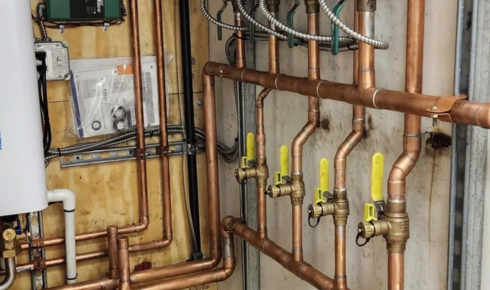
A successful tankless installation begins long before the unit is mounted on the wall. The installer needs to understand the home’s water demand, fuel source, electrical capacity, venting needs, pipe layout, and local code requirements. That may sound like a lot, but every detail affects performance.
For example, a gas tankless water heater may need upgraded gas lines or proper venting to operate safely and efficiently. An electric model may require enough amperage to handle the load. If the system is undersized, it may struggle when more than one fixture is used at the same time. If it is installed poorly, even a quality unit can act like a cheap one.
This is where professional experience really matters. A good installer does not just sell a unit and leave. They ask questions about how the home is used. How many bathrooms are there? Does the family run the dishwasher at night? Are there teenagers taking long showers? Is there a large tub? These details are not small talk. They help decide what system will actually work.
Common Problems Homeowners May Notice
Tankless water heaters are reliable when properly maintained, but they can still develop issues. Some signs are obvious, like no hot water at all. Others are more subtle. The water may turn warm, then cold, then warm again. The unit may shut off during use. There may be strange noises, flashing codes, or reduced water flow.
Related storyWhen Water Flow Slows Down, Your Home May Be Sending a Warning
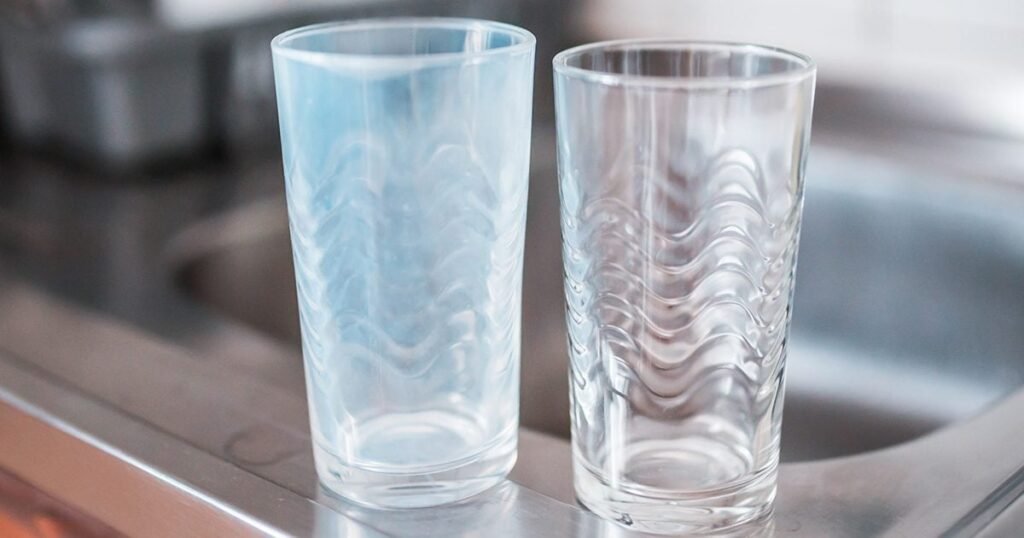
Sometimes the cause is simple. A dirty filter, mineral buildup, ignition issue, blocked vent, or sensor problem can affect performance. In hard water areas, scale buildup is one of the biggest concerns. Minerals can collect inside the heat exchanger and reduce efficiency over time.
That’s why tankless repair should be handled by someone who understands these systems specifically. Tankless units are not identical to standard tank heaters, and guessing at the problem can waste time. A trained technician can check flow rates, combustion, electrical components, error codes, water quality, and maintenance history before recommending the right fix.
Maintenance Is Not Optional
One mistake homeowners make is assuming tankless means “set it and forget it.” It is true that these systems can be efficient and long-lasting, but they still need care. Regular flushing helps remove mineral buildup. Filters should be cleaned. Venting should be inspected. Connections should be checked for leaks or corrosion.
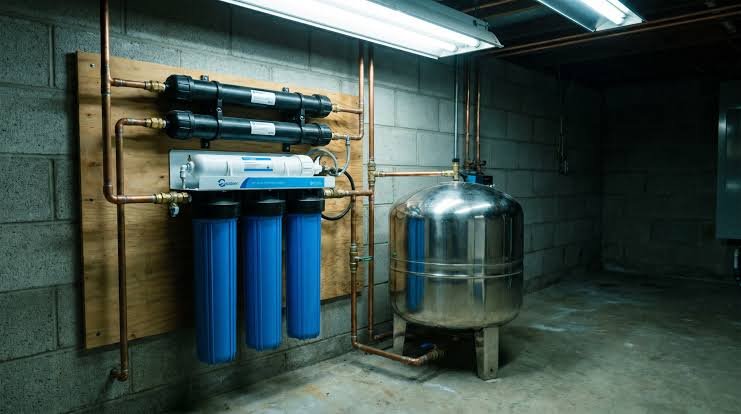
In areas with hard water, maintenance becomes even more important. A water softener or treatment system may help protect the heater and improve performance. Without routine service, the unit may work harder than necessary, which can shorten its life and reduce comfort.
Related storyWhen Hard Water Becomes a Daily Problem, the Right Solution Matters
Maintenance is not glamorous, of course. Nobody gets excited about flushing a water heater. But it is a lot better than dealing with a cold shower before work or replacing a unit earlier than expected.
Efficiency Depends on the Whole Setup
People often choose tankless water heaters because they want high-efficiency systems that reduce waste and support lower energy use. That can absolutely be part of the benefit. Since tankless heaters operate only when hot water is needed, they avoid much of the standby heat loss associated with storage tanks.
But efficiency is not only about the product label. It depends on sizing, installation quality, water quality, usage habits, and maintenance. A poorly installed tankless heater may not deliver the savings or comfort a homeowner expected. A well-installed and properly serviced one, on the other hand, can be a smart long-term upgrade.
It is also worth remembering that not every home uses hot water the same way. A small household may have different needs than a large family. A vacation property may need a different setup than a busy full-time residence. The best system is the one matched to the real home, not just the one with the nicest brochure.
Related storyWhen Your Water Doesn’t Seem Right: Understanding Common Household Water Problems
When Replacement Makes Sense
If an older tankless unit needs frequent repairs, replacement may be more sensible than another service call. Age, repair cost, parts availability, energy use, and performance all matter. A technician can help determine whether the current unit still has useful life left or whether upgrading would be more practical.
Newer models may offer better controls, improved efficiency, and stronger performance. Still, replacement should be done thoughtfully. The goal is not simply to buy the newest unit. The goal is to choose one that fits the home’s actual demand and can be installed safely.
A Better Hot Water Experience Starts with the Right Care
Tankless water heaters can make a home feel easier to live in. They save space, deliver hot water on demand, and support modern household routines. But they are not magic boxes on the wall. They work best when chosen carefully, installed correctly, and maintained with a bit of common sense.
For homeowners, the lesson is pretty simple: don’t wait until the shower turns cold to pay attention. A little planning and regular service can protect comfort, efficiency, and peace of mind.
In the end, good hot water is not something people should have to think about every day. It should just be there, steady and dependable, quietly making the home run better.