Water is one of those business essentials that usually stays out of sight and out of mind. Owners spend their days thinking about customers, employees, inventory, sales, and operating costs. Water? It quietly flows through the building, supporting everything from coffee machines and kitchens to manufacturing equipment and cleaning stations.
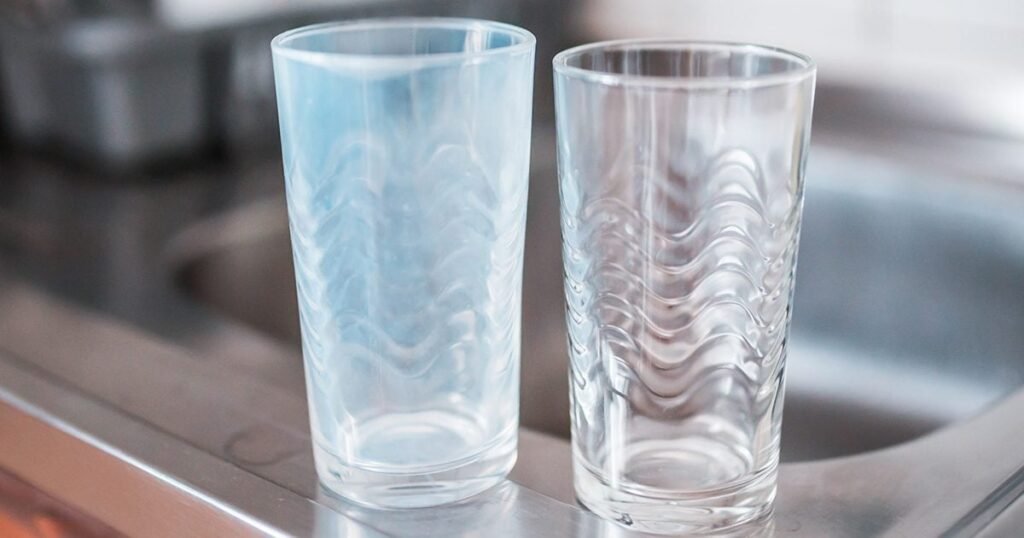
The interesting part is that when water works well, nobody notices. When it doesn’t, though, the effects can spread quickly. Equipment starts breaking down more often, drinks don’t taste quite right, glassware develops cloudy spots, and maintenance costs begin creeping upward. These changes rarely happen overnight, which is why they’re so easy to overlook.
For businesses that depend on efficiency and consistency, paying attention to water isn’t just another maintenance task. It’s an investment that often pays for itself in ways people don’t expect.
Related storyHow Better Water Management Supports Safer, More Efficient Industrial Operations
Water Influences More Than You Think
Almost every commercial property depends on water in some way.
Restaurants use it for food preparation, beverages, dishwashing, and sanitation. Hotels rely on it for guest rooms, laundry facilities, kitchens, and recreational amenities. Healthcare facilities require dependable water for cleaning and hygiene, while manufacturing operations often depend on stable water conditions to maintain production quality.
Even offices use water throughout the day in break rooms, restrooms, heating systems, and coffee stations.
Related storyWhy Consistent Water Quality Matters More Than Most People Think
Because water touches so many parts of a business, even small quality issues can quietly affect productivity, customer satisfaction, and operating expenses.
Small Water Problems Can Become Expensive
Many businesses don’t recognize water-related issues until repair bills begin to accumulate.
Hard minerals slowly collect inside boilers, water heaters, dishwashers, and coffee equipment. Sediment reduces efficiency, forcing machinery to work harder than necessary. Over time, energy consumption increases while equipment lifespan gradually decreases.
Related storyChoosing the Right Water Treatment Installation: Why a Thoughtful Setup Makes All the Difference
These aren’t dramatic failures that happen overnight. Instead, they’re slow-moving costs that quietly eat into maintenance budgets month after month.
Addressing water quality early often prevents far more expensive problems later.
Choosing the Right Treatment Equipment
Commercial facilities rarely have identical water needs.
A café preparing specialty coffee has different priorities than a food processing plant. A hotel faces challenges that differ completely from those of a medical clinic or manufacturing warehouse.
Related storyA Closer Look at Whole-Home Reverse Osmosis and Smarter Water Treatment
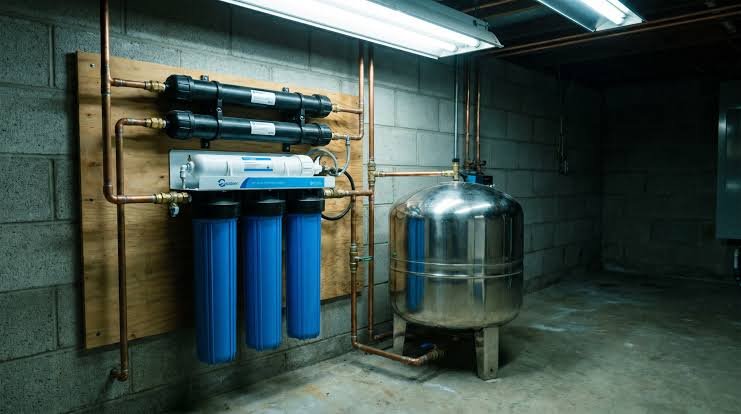
That’s why many organizations invest in commercial water treatment products designed specifically for their industry and local water conditions.
Rather than relying on generic solutions, these systems are selected to solve real problems identified through water analysis. That targeted approach usually produces better performance while avoiding unnecessary expenses.
The goal isn’t simply cleaner water—it’s more reliable business operations.
Why Filtration Matters Every Day
Water quality directly affects the experience customers receive, even when they never think about it.
Fresh coffee tastes better. Ice cubes stay clearer. Glassware leaves a stronger impression. Food preparation becomes more consistent, and beverage flavors remain true to their recipes.
Related storyWhy Better Water Quality Matters More Than You Might Think
Behind the scenes, properly selected water filters also help reduce sediment and unwanted particles before they reach valuable equipment. This protection allows machines to operate more efficiently while lowering routine maintenance requirements.
Many businesses discover that improving filtration creates benefits for both customers and employees without requiring major operational changes.
Sometimes the simplest improvements become the most noticeable over time.
Reverse Osmosis in Commercial Settings
One technology that continues to grow in popularity across many industries is reverse osmosis.
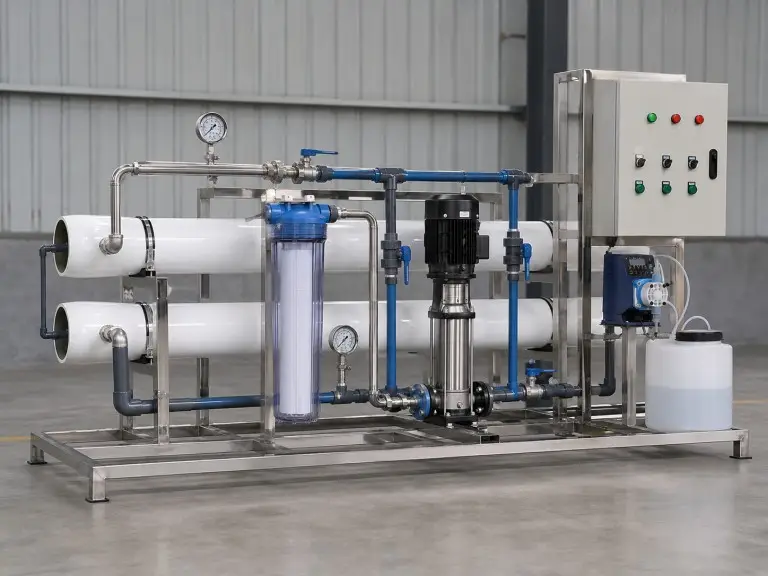
Modern RO systems are commonly used in restaurants, laboratories, food production facilities, healthcare environments, and beverage preparation because they help remove a wide range of dissolved substances from water.
For businesses where consistency matters, this technology often provides a dependable source of high-quality water for specialized applications.
That said, reverse osmosis isn’t automatically the right choice for every commercial property. Some facilities benefit more from sediment filtration, carbon treatment, water softening, or a combination of multiple technologies.
Choosing the correct system depends on understanding the water itself rather than following industry trends.
Better Water Protects Expensive Equipment
Commercial equipment represents one of the largest investments many businesses make.
Coffee machines, steam ovens, boilers, dishwashers, refrigeration units, ice makers, and production equipment all rely on clean water to perform efficiently. Mineral deposits and impurities can gradually reduce output while increasing repair frequency.
When water quality improves, equipment often requires less maintenance, experiences fewer unexpected failures, and operates more efficiently throughout its lifespan.
That reliability becomes especially valuable in businesses where downtime directly affects revenue or customer service.
Every Business Has Different Requirements
No two commercial properties use water in exactly the same way.
A boutique hotel focuses heavily on guest comfort. A bakery depends on consistent water for recipes. A brewery carefully monitors mineral content because it directly influences flavor. Healthcare facilities prioritize sanitation, while manufacturing companies often require specialized treatment based on production processes.
Because of these differences, professional water testing remains one of the smartest starting points before investing in new equipment.
Understanding actual water conditions leads to better purchasing decisions and avoids installing systems that solve problems a business doesn’t actually have.
Long-Term Savings Often Outweigh Initial Costs
Business owners naturally pay close attention to return on investment.
Fortunately, water improvements often generate value from several directions at once.
Reduced equipment maintenance, longer appliance lifespan, lower energy consumption, fewer emergency repairs, improved cleaning performance, and better customer experiences all contribute to long-term financial benefits.
While no single upgrade transforms an operation overnight, consistent improvements across multiple areas often create meaningful savings over several years.
That’s why many companies now view water treatment as part of preventive asset management rather than simply another utility expense.
Better Water Supports Better Business
Water quietly supports nearly every commercial operation, yet it’s often one of the last systems businesses evaluate.
Whether you’re operating a restaurant, hotel, office, healthcare facility, manufacturing plant, or retail location, dependable water contributes to smoother daily operations in countless small ways. It protects equipment, improves consistency, enhances customer experiences, and helps reduce avoidable maintenance costs.
In the end, investing in better water isn’t just about installing treatment equipment. It’s about creating an environment where employees can work more efficiently, customers receive a better experience, and valuable assets continue performing reliably for years to come.
Sometimes the smartest business improvements aren’t the most visible ones. They’re the systems working quietly behind the scenes every single day—and a well-designed water treatment solution is a perfect example of exactly that.