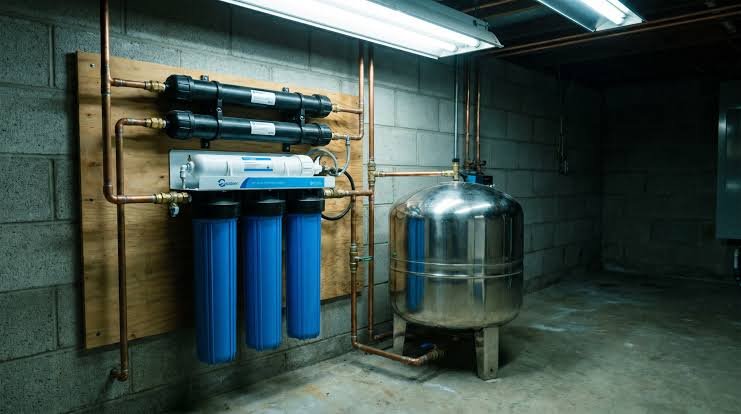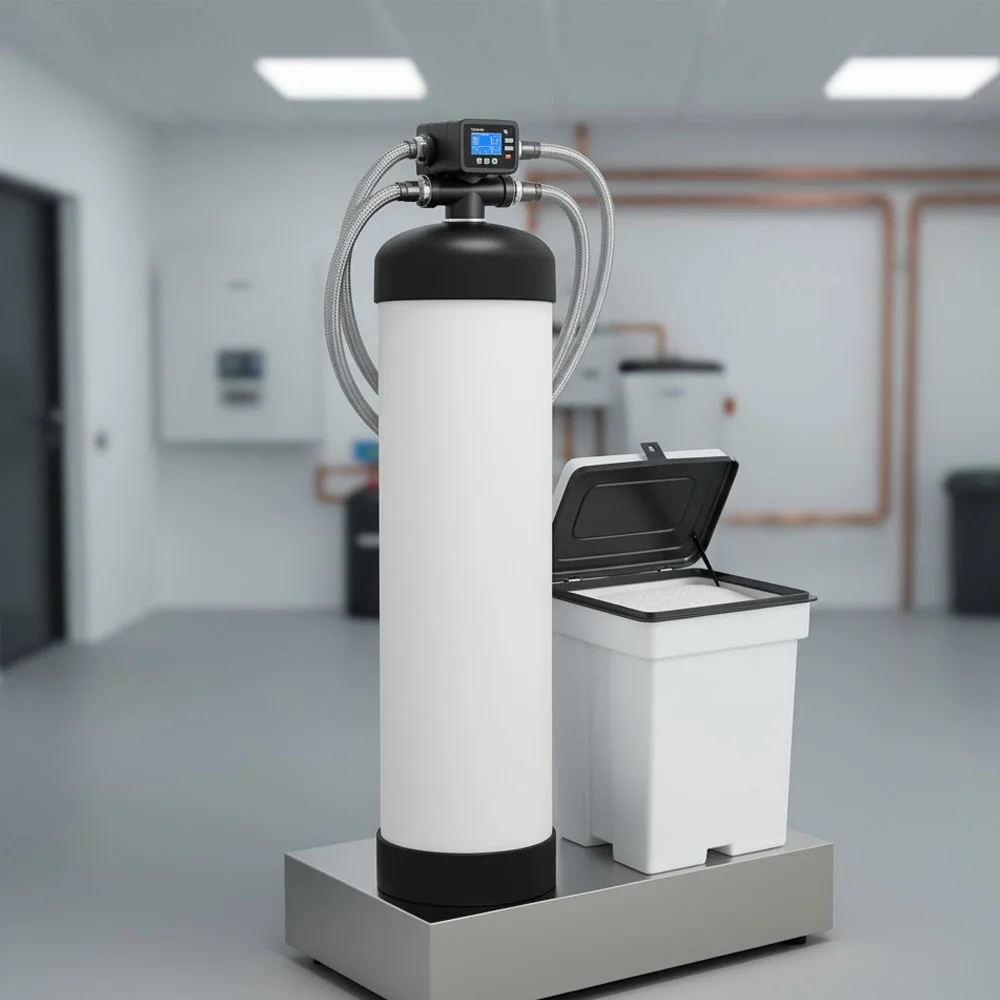
Owning a water treatment system can make everyday life more comfortable, but the work doesn’t stop once the equipment is installed. Filters need replacing, softeners require attention, and occasional problems can catch you off guard. It’s often the unexpected service call that causes the most frustration, especially when you’ve already spent money getting the system set up.
For many homeowners, having a clearer idea of future service costs is just as important as choosing the right equipment in the first place. A membership plan can offer a more organized way to manage routine care, understand what’s included, and know where to turn when something goes wrong. The value depends on the details, of course, but a well-designed plan can make water treatment easier to live with.
Why Ongoing Care Matters After Installation
Water treatment systems work quietly in the background. You might not think about the filter under the kitchen sink or the softener in the utility room until the water starts tasting different or mineral deposits begin appearing again. By then, a component may have reached the end of its useful life, or the system may need a closer inspection.
Related storyKeeping Your Water Treatment System Working Well, Year After Year
Different systems have different needs. Activated carbon filters have a limited capacity for reducing certain substances, sediment filters gradually collect particles, and reverse osmosis membranes require replacement according to the manufacturer’s guidance. Water softeners also depend on suitable settings, adequate salt, and a functioning regeneration cycle.
Ignoring these tasks can reduce performance and create avoidable inconvenience. That’s why it’s helpful to treat servicing as part of owning the equipment, rather than something to consider only after a fault appears.
What a Water Treatment Membership May Include
Service memberships vary from one provider to another, so it’s important to look beyond the advertised monthly price. Some plans focus on scheduled inspections and basic troubleshooting, while others may include selected replacement parts, discounts on repairs, or reminders when routine work is due.
Related storyA Closer Look at Whole-Home Reverse Osmosis and Smarter Water Treatment
Well-structured water treatment membership plans can make these responsibilities easier to organize. Instead of arranging every appointment from scratch, a homeowner may have access to a defined service schedule and a clearer understanding of which tasks are covered. Depending on the provider, the plan might also include preferred appointment booking or reduced labor charges.
However, membership doesn’t automatically mean every repair or replacement is free. Filters, membranes, emergency visits, and major component failures may be charged separately. Before enrolling, ask for a written breakdown of included services, exclusions, payment terms, and cancellation rules.
The best plan is one that matches the equipment you own and the support you’re likely to use. Paying for benefits that don’t apply to your system isn’t much of a saving.
Choosing a Plan Without Paying for More Than You Need
It’s easy to be drawn to a package with a long list of benefits, but a little comparison can help you make a more sensible decision. Start by identifying the type of equipment installed in your home and reviewing its recommended service schedule. Then compare those requirements with the services offered by each membership.
Related storyWhat Homeowners Should Know Before Starting a Professional System Installation Project
A basic membership may suit households that mainly want periodic inspections, maintenance reminders, and straightforward guidance when a concern appears. A more comprehensive option could make sense for a household with several treatment units or equipment that requires more frequent professional attention.
Think about your home’s water source, too. A private well may need additional testing based on local conditions, while a municipal supply may call for a different approach. The membership should support the actual requirements of your system rather than offer a generic checklist that overlooks important details.
It’s worth comparing the annual membership cost with what you would reasonably expect to spend on individual service visits. Include any separate charges for parts, testing, or emergency appointments. This simple calculation can reveal whether a plan offers practical value for your circumstances.
The Importance of Scheduled Inspections
Regular inspections give technicians an opportunity to look for problems that aren’t always obvious during everyday use. Depending on the system, they may examine accessible connections, check operating settings, inspect the softener’s regeneration cycle, and review whether filters or other components are due for replacement.
Related storyChoosing the Right Water Treatment Installation: Why a Thoughtful Setup Makes All the Difference
These checks can also help uncover issues that have little to do with the treatment equipment itself. A sudden change in water pressure, for example, could relate to plumbing restrictions rather than a worn filter. Similarly, an unusual taste may come from the incoming water supply or a household fixture.
A good service visit should leave you with useful information. Ask the technician to explain what was checked, whether anything needs attention, and which recommendations are urgent versus optional. If additional work is proposed, request a clear estimate before authorizing it.
No inspection can guarantee that equipment will never fail. Still, regular checks can help identify developing concerns and give you a better picture of the system’s condition.
Related storyWhen Old Plumbing Starts Telling You It’s Time for a Change
Getting Help When Something Unexpected Happens
Even with a maintenance schedule, problems don’t always arrive at convenient times. A leak may appear before guests arrive, a filter housing may begin dripping on a weekend, or a softener may stop operating as expected. Knowing how to contact the right person can make these situations less stressful.
Membership providers sometimes offer priority service for certain appointment types or service requests. The exact meaning varies, though. It may refer to earlier booking availability rather than immediate emergency assistance, so ask how the benefit works and whether additional charges apply.
When reporting a problem, provide a clear description of the symptoms, when they began, and any warning messages displayed by the equipment. Photographs of an accessible leak or the model label may also help the service team prepare. Don’t dismantle pressurized equipment or attempt electrical repairs unless you’re qualified to do so.
If water changes color, develops an unusual odor, or raises a possible health concern, don’t assume a service visit alone will establish whether it’s safe. Appropriate water testing and advice from the supplier or a qualified water-quality professional may be necessary.
Read the Fine Print Before Enrolling
A membership should make ownership easier, not leave you guessing about what you’re paying for. Review the agreement carefully and ask questions about the service frequency, appointment availability, replacement parts, repair discounts, and any limits on covered work.
Check whether the plan requires a minimum commitment, renews automatically, or charges a fee for cancellation. Find out whether existing equipment must pass an initial inspection before coverage begins. Some providers may exclude pre-existing faults or damage caused by neglected maintenance.
It’s also sensible to ask how the company handles records. A useful service history should show previous visits, parts replaced, and recommendations made. These details can help you plan future costs and provide context if a problem returns.
Make the Plan Work for Your Household
A membership is most useful when it fits naturally into your routine. Keep service dates on your calendar, follow the manufacturer’s maintenance guidance, and make sure everyone in the household knows whom to contact if the system develops a problem.
Water treatment is ultimately about having equipment that performs the job it was chosen for. A membership can support that goal by making servicing more predictable and providing a clear route to professional help, but it cannot replace proper testing, suitable equipment, or routine care.
Take time to compare the available plans, understand their limits, and calculate the likely cost over a full year. The right arrangement should offer practical benefits without stretching your budget. When the terms are clear and the services match your needs, looking after your water treatment system becomes a little less complicated—and that’s a worthwhile improvement in any home.