Water rarely gets the attention it deserves in an industrial setting. Everyone notices the machinery, production lines, storage areas, and finished goods. Water, meanwhile, is usually doing its work quietly in the background—cooling equipment, cleaning surfaces, supporting production, or becoming part of a process.
That quiet role can make water quality easy to overlook. Yet when water contains excessive minerals, sediment, chemicals, or other unwanted substances, the consequences can spread throughout a facility. Equipment may need more maintenance, production can become less consistent, and operating costs may creep upward.
A thoughtful water management strategy isn’t just about cleaner water. It’s about keeping the entire operation dependable.
Related storyWhy Smart Businesses Are Taking a Closer Look at Their Water Systems
Why Water Quality Matters in Industry
Industrial facilities can use enormous quantities of water every day. Depending on the application, water may be used for cooling towers, boilers, washing systems, manufacturing processes, food production, laboratories, or general cleaning.
Each application has different requirements.
Water that is perfectly acceptable for one process may be unsuitable for another. Hardness, pH, dissolved solids, iron, sediment, and other characteristics can influence how water behaves inside equipment.
This is why water testing should come before equipment selection. Without knowing what you’re dealing with, it’s difficult to know whether filtration, softening, reverse osmosis, chemical treatment, or another technology is appropriate.
Related storyWhy Investing in Drinking Water Filtration Can Transform Everyday Life at Home
The Importance of Regulatory Compliance
Industrial facilities don’t operate in a vacuum. Depending on the industry, location, and water use, businesses may need to follow specific environmental, health, wastewater, or production requirements.
Regulatory compliance is therefore an important part of water management. The exact obligations vary widely, so facilities should identify the rules that apply to their particular operations and keep accurate records of testing, treatment, maintenance, and discharge where required.
Compliance shouldn’t be treated as something you scramble to address before an inspection. Building good monitoring and documentation practices into everyday operations is much less stressful.
It also makes it easier to spot unusual changes before they become bigger problems.
How Water Treatment Protects Equipment
Industrial equipment can be expensive and complicated. Pumps, boilers, heat exchangers, cooling systems, valves, and production machinery all have to work reliably to keep a facility moving.
Related storyKeeping Water Systems Reliable: A Practical Guide to Pump Controls and Accessories
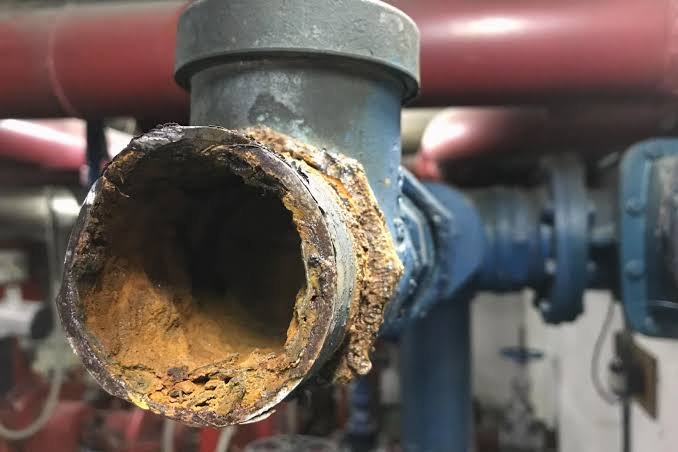
Hard water can contribute to scale formation, especially on surfaces exposed to heat. Sediment may accumulate inside valves and pipes. Certain water conditions can accelerate corrosion.
These problems often develop slowly. There may be no dramatic warning. Instead, equipment gradually becomes less efficient or requires service more often.
Appropriate water treatment can help control specific conditions that contribute to these issues. It won’t eliminate every possible equipment failure, but it can reduce some water-related causes of wear and inefficiency.
Related storyWhy the Water in Your Glass Deserves More Attention
Improving Operational Efficiency
A well-designed water system can support operational efficiency in several ways.
When water treatment is properly matched to the application, equipment may experience fewer mineral deposits and less sediment-related interference. Consistent water conditions can also make production processes more predictable.
Consider a facility that uses water for cleaning. If mineral-heavy water leaves residue behind, employees may need additional cleaning steps. If a cooling system develops scale, performance may gradually decline.
Neither problem sounds enormous on its own. But repeated every day, they can consume time, labor, and resources.
Related storyChoosing the Right Water Treatment Installation: Why a Thoughtful Setup Makes All the Difference
Efficiency often comes from removing these little obstacles.
How Water Can Affect Energy Use
Water and energy are closely connected in many industrial facilities. Water may need to be heated, pumped, cooled, or circulated continuously.
Scale is particularly relevant in heat-transfer equipment. Mineral deposits can interfere with heat transfer, potentially forcing equipment to work harder to achieve the desired temperature.
When water treatment helps control scaling, facilities may potentially achieve lower energy costs, depending on the equipment and operating conditions.
Savings aren’t guaranteed, and businesses should avoid assuming that filtration automatically reduces energy bills. The real benefit depends on factors such as equipment condition, water chemistry, operating hours, and the type of treatment being used.
Still, efficient water management is worth considering as part of a broader energy strategy.
Choosing the Right Treatment Technology
Industrial water treatment can involve several technologies, and each has a specific purpose.
Sediment filters can remove suspended particles. Activated carbon can help address certain organic compounds, chlorine, tastes, and odors. Water softeners are primarily designed to reduce hardness minerals. Reverse osmosis can reduce many dissolved substances and may be appropriate for particular process or drinking-water applications.
Some facilities need combinations of these technologies.
The correct setup depends on the water test, flow rate, process requirements, and desired outcome. A system should also account for peak demand rather than just average water consumption.
Installing an undersized system can create restrictions. An oversized system may increase costs unnecessarily.
Maintenance Is Part of the Strategy
Even the best treatment equipment won’t perform indefinitely without maintenance.
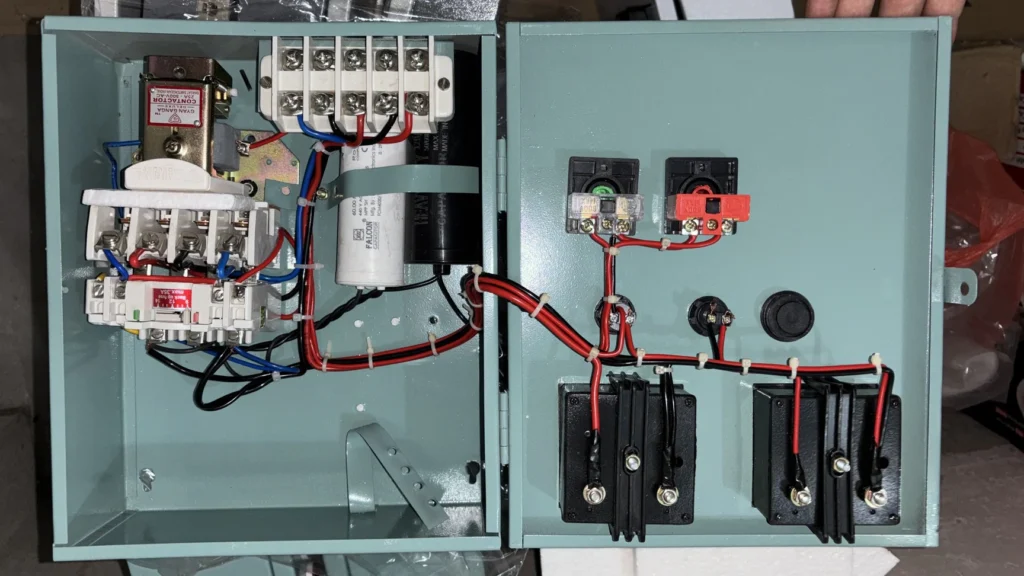
Filters need replacement. Membranes require cleaning or eventual replacement. Softening systems may require regeneration and replenishment. Pumps, valves, and controls need inspection.
Industrial facilities should establish clear maintenance schedules and assign responsibility for monitoring equipment.
It is also useful to track changes in pressure, flow, and water quality. A sudden change may provide an early warning that a filter is becoming saturated or that another component isn’t working properly.
Preventive maintenance isn’t exciting, but emergency repairs are even less exciting.
Consider the Full Cost of Water Treatment
When comparing systems, businesses often focus heavily on the initial purchase price. That’s understandable, but it’s only part of the equation.
Consider installation, energy use, replacement media, filters, chemicals, wastewater, labor, maintenance, and equipment lifespan.
A system with a higher upfront cost may be more economical over time if it operates efficiently and requires less maintenance. On the other hand, adding treatment stages that don’t solve a real problem simply increases complexity.
Good design is about finding the right balance.
Building a More Reliable Water Strategy
Industrial water management works best when it is treated as an ongoing process rather than a one-time equipment purchase.
Test the water regularly. Understand the requirements of each process. Monitor treatment equipment. Maintain filters and components. Keep records. Review the system when production changes.
This approach gives facility managers a clearer picture of what’s happening and makes it easier to respond when something changes.
Most importantly, it prevents water from becoming an invisible source of avoidable problems.
Better Water Management, Better Business
Water may not be the most visible part of an industrial operation, but it can influence nearly every area it touches.
From equipment life and energy consumption to production consistency and compliance, water quality deserves serious attention. The goal isn’t to make every drop of water perfectly pure. It’s to make sure the water is suitable for the job it needs to perform.
With proper testing, appropriate treatment, regular maintenance, and thoughtful monitoring, businesses can create a water system that supports rather than interrupts their operation.
And when everything runs smoothly in the background, that’s usually a sign that the system is doing exactly what it should.