Water has a funny way of becoming invisible in our daily lives. We expect it to be there every morning when we brush our teeth, fill the coffee maker, or jump into the shower after a long day. Most of us don’t think much about it until something changes. Maybe the water starts smelling odd, leaves reddish stains around the sink, or turns cloudy after a heavy rain. Suddenly, something we took for granted demands our attention.
The truth is, water quality varies far more than many homeowners realize. Even houses located just a few streets apart can experience completely different water conditions. That’s because groundwater, plumbing materials, municipal treatment methods, and environmental factors all play a role in determining what flows from the tap.
Fortunately, understanding these issues is the first step toward solving them. With the right filtration system, many common water concerns can be corrected before they affect your home, appliances, or daily routine.
Related storyWhy Investing in Drinking Water Filtration Can Transform Everyday Life at Home
Every Water Source Tells a Different Story
Not all water is created equal. Municipal water supplies go through extensive treatment before reaching homes, but they may still contain chlorine, trace minerals, or sediments picked up along the way. Private wells often provide naturally clean water, yet they’re also more vulnerable to dissolved minerals, bacteria, sulfur compounds, and iron deposits.
That’s why one homeowner may complain about stained laundry while another notices an unpleasant odor every time the shower runs. Neither situation is unusual—they simply require different solutions.
Instead of assuming all filtration products work the same way, it’s worth understanding exactly what your water contains before investing in equipment.
Related storyWhen Water Flow Slows Down, Your Home May Be Sending a Warning
Iron Can Leave More Than Just Stains
One of the most common complaints among well-water users is iron contamination. Even relatively low concentrations can create noticeable problems throughout the house.
Rust-colored stains appear on sinks, toilets, bathtubs, and even freshly washed clothing. Water may develop a metallic taste, while appliances gradually accumulate mineral deposits that reduce efficiency over time.
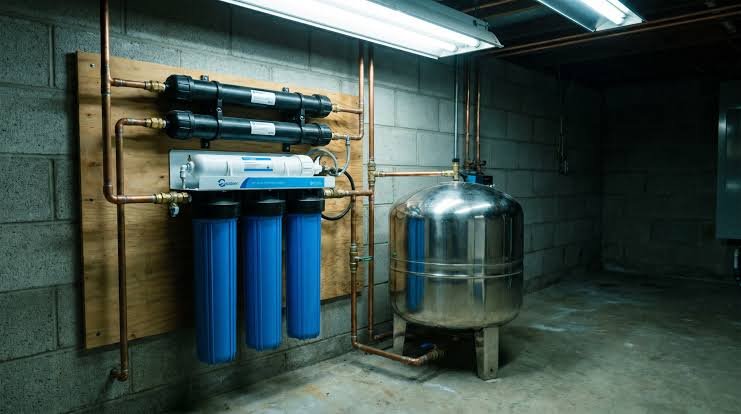
Installing properly designed iron removal systems can dramatically improve both the appearance and usability of household water. These systems are specifically engineered to reduce dissolved iron before it reaches plumbing fixtures, helping homeowners avoid constant cleaning and expensive repairs.
Many people are surprised by how much brighter bathrooms, kitchens, and laundry rooms look after eliminating iron from their water supply.
Related storyChoosing the Right Water Treatment Installation: Why a Thoughtful Setup Makes All the Difference
That Rotten Egg Smell Usually Has a Cause
If you’ve ever turned on a faucet and immediately noticed the unmistakable smell of rotten eggs, you’re not imagining things.
In many cases, hydrogen sulfide gas is responsible. While the odor itself is unpleasant, it can also affect the taste of drinking water and make everyday activities less enjoyable. Cooking, showering, and even washing dishes become frustrating when the smell lingers.
Fortunately, modern sulfur removal systems are designed specifically to address this issue. Depending on the water chemistry, treatment may involve oxidation, specialized filtration media, or combinations of multiple technologies.
Once the sulfur is removed, homeowners often notice that their water feels fresher, tastes cleaner, and no longer carries that strong odor throughout the house.
Related storyWhen Your Water Doesn’t Seem Right: Understanding Common Household Water Problems
Sediment Might Be Doing More Damage Than You Think
Cloudy water doesn’t always mean contamination, but it does deserve attention.
Sand, silt, dirt, rust particles, and other suspended materials can enter household plumbing from aging infrastructure, well systems, or natural groundwater movement. Over time, these tiny particles create wear inside plumbing fixtures, clog faucet aerators, reduce water pressure, and shorten the lifespan of appliances.
Installing effective sediment removal systems helps capture these particles before they circulate through the home. Besides improving water clarity, sediment filtration protects expensive equipment like water heaters, washing machines, refrigerators, and dishwashers from unnecessary damage.
Sometimes the biggest benefit isn’t immediately visible—it’s avoiding costly repairs years later.
Related storyWhy the Water in Your Glass Deserves More Attention
Why Water Testing Should Always Come First
One of the biggest mistakes homeowners make is purchasing filtration equipment without knowing what they’re trying to remove.
A filter designed for sediment won’t eliminate dissolved iron. Likewise, equipment intended for sulfur treatment may do little to address hard water minerals or chlorine.
Professional water testing provides a clear picture of your water’s composition. Once you understand exactly what’s present, choosing the right treatment system becomes much easier and far more cost-effective.
It’s a simple step that prevents guesswork and helps ensure you’re solving the actual problem instead of treating symptoms.
Cleaner Water Benefits Your Entire Home
People often focus on drinking water when discussing filtration, but the advantages extend far beyond what’s in your glass.
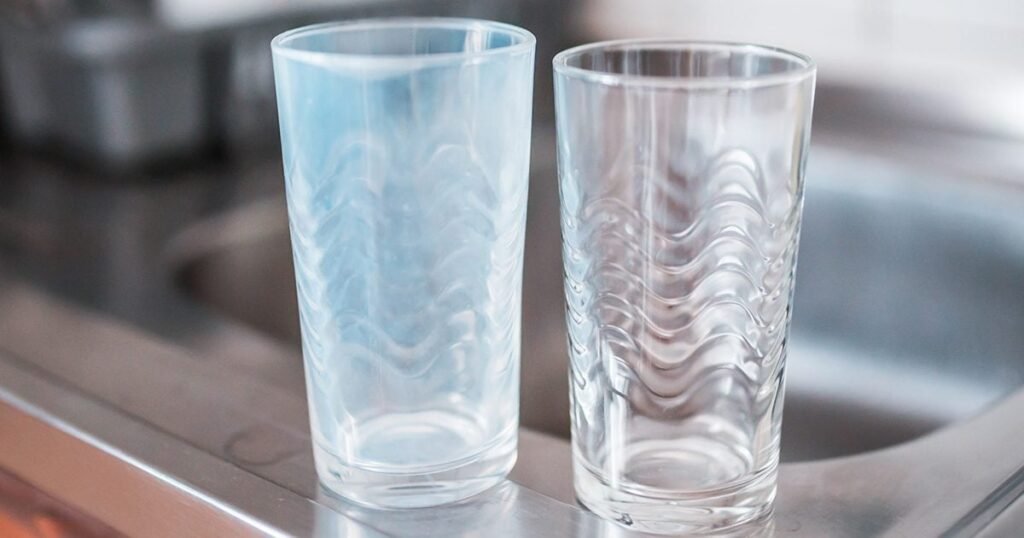
Cleaner water helps appliances operate more efficiently, reducing mineral buildup that forces them to work harder. Plumbing fixtures stay cleaner with fewer stains and deposits. Laundry often comes out brighter, while dishes require less polishing after washing.
Many homeowners also notice improvements in skin comfort and hair texture once irritating minerals or contaminants are reduced. Although these changes may seem small individually, together they contribute to a noticeably better daily living experience.
Water quietly touches almost every routine in a household, so improving its quality often improves countless little moments throughout the day.
Maintenance Is Part of the Investment
Even the most advanced filtration system requires occasional care.
Filter cartridges eventually reach capacity. Treatment media may need replacement after years of service. Some systems require periodic backwashing or routine inspections to continue operating efficiently.
Fortunately, regular maintenance is usually straightforward and much less expensive than repairing damaged plumbing or replacing prematurely worn appliances.
Treating your filtration system like any other household equipment helps ensure consistent performance for years to come.
Investing in Better Water Is Investing in Your Home
Clean, dependable water isn’t just about convenience—it’s about protecting your home, improving comfort, and supporting everyday health. Whether you’re dealing with iron stains, unpleasant odors, cloudy water, or simply want greater confidence in your household supply, the right filtration solution can make a remarkable difference.
Rather than relying on generic products or temporary fixes, take the time to understand your water’s unique characteristics. A professional water test, combined with equipment designed specifically for your home’s needs, offers lasting results that benefit every faucet, every appliance, and every member of the household.
In the end, better water isn’t something you’ll think about every day—and that’s exactly the point. When your filtration system is doing its job well, clean water simply becomes one less thing you have to worry about.