A Hidden Household Problem That Often Goes Unnoticed
Water is one of those things we rarely question until something feels off. Maybe the dishes come out of the dishwasher with cloudy spots. Maybe your coffee maker needs cleaning more often than it should. Or perhaps your skin feels tight after every shower, even though you’ve changed soaps more than once.
It’s easy to blame the weather, your shampoo, or aging appliances. In reality, the water flowing through your home could be playing a much bigger role than you realize.
Hard water isn’t considered dangerous to drink, which is why many people simply live with it for years. But “safe” doesn’t always mean “ideal.” Over time, mineral-rich water quietly affects everything from plumbing fixtures to laundry, and even your daily personal care routine.
Related storyWhy Consistent Water Quality Matters More Than Most People Think
Once you understand how hard water works, many of those small household frustrations suddenly start making sense.
What Makes Water “Hard”?
Hard water contains elevated levels of dissolved minerals, mainly calcium and magnesium. As groundwater travels through rock formations, it naturally absorbs these minerals before reaching municipal systems or private wells.
This process is completely natural, and in many parts of the world, it’s incredibly common.
Related storyWhen Water Flow Slows Down, Your Home May Be Sending a Warning
The challenge isn’t drinking the minerals. The challenge is what they leave behind.
As water evaporates, minerals remain on surfaces. That white residue around faucets, showerheads, kettles, and glassware isn’t soap—it’s mineral buildup that slowly accumulates over months and years.
Little by little, those deposits begin affecting the efficiency of appliances, plumbing systems, and even how everyday products perform.
Recognizing the Early Signs of hard water problems
Most homeowners don’t wake up one morning with a major plumbing failure caused by mineral buildup. Instead, the warning signs appear gradually.
Related storyChoosing the Right Water Treatment Installation: Why a Thoughtful Setup Makes All the Difference
Hard water problems often begin with subtle inconveniences that are easy to ignore:
- Soap doesn’t lather well.
- Glasses look cloudy after washing.
- White spots appear on bathroom fixtures.
- Towels feel stiff after laundry.
- Water heaters seem less efficient.
- Faucets develop stubborn mineral deposits.
Because these issues develop slowly, many people assume they’re simply part of owning a home.
In reality, they usually indicate that mineral levels are affecting daily life far more than expected.
Your Skin Notices Hard Water Too
Many people spend hundreds of dollars on skincare products without considering the water they’re using every day.
Related storyWhy Hard Water Leaves More Than Just Spots Behind
Hard water makes it more difficult for soap and body wash to rinse away completely. Instead, minerals react with cleansing products, leaving behind a thin residue that remains on the skin after bathing.
For some individuals, this lingering film creates a feeling of tightness or irritation that seems impossible to explain.
Over time, dry skin becomes one of the most common complaints associated with untreated hard water. While everyone’s skin reacts differently, many homeowners notice improvements after reducing mineral content in their household water.
Of course, hydration, climate, and skincare habits still matter—but water quality deserves a place in that conversation too.
Related storyWhen Your Water Doesn’t Seem Right: Understanding Common Household Water Problems
Why Your Hair May Feel Different
Hair tells a surprisingly honest story about water quality.
Minerals don’t just stay inside plumbing—they cling to hair strands during every wash. That buildup makes it more difficult for shampoos and conditioners to work effectively, leaving hair feeling heavier than usual.
Many people describe their hair as rough, difficult to manage, or lacking its normal shine.
If you’ve been dealing with dull hair despite using quality hair products, the issue might not be your shampoo at all. Mineral deposits can create a coating that prevents moisture from reaching the hair shaft properly.
Switching products repeatedly often doesn’t solve the underlying problem because the water itself remains unchanged.
The Cost to Your Home Adds Up Quietly
Hard water doesn’t usually create dramatic damage overnight.
Instead, it slowly reduces the efficiency of expensive household systems.
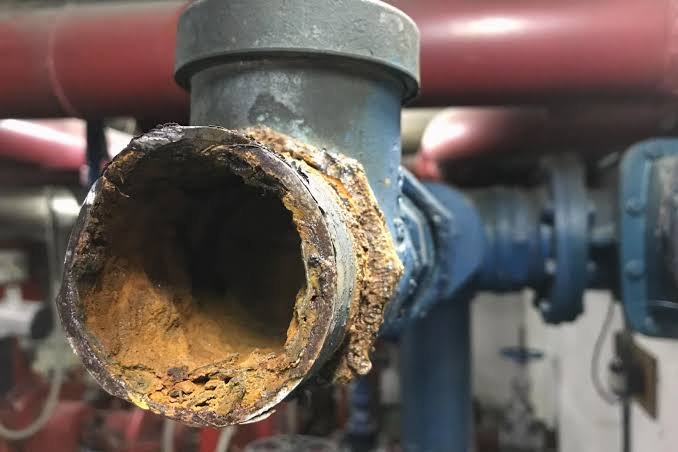
Water heaters develop scale on heating elements, requiring more energy to produce the same amount of hot water. Dishwashers and washing machines work harder. Pipes gradually narrow as minerals accumulate along the interior walls.
Even small appliances like coffee makers, humidifiers, and electric kettles experience shortened lifespans when mineral deposits build up continuously.
The frustrating part is that homeowners often replace these appliances without realizing water quality contributed to the wear.
Everyday Cleaning Becomes More Difficult
Cleaning with hard water can sometimes feel like taking one step forward and two steps back.
You wipe down the shower door, only to see fresh spots appear after the next use. Bathroom faucets never seem to stay shiny for long. Glassware looks less than spotless no matter how carefully it’s washed.
Soap scum forms more quickly because soap reacts with minerals instead of dissolving completely.
That means using more cleaning products, spending more time scrubbing surfaces, and still feeling like the house never quite looks as clean as it should.
It’s not poor housekeeping.
It’s chemistry.
Finding the Right Solution
Not every home needs the same type of water treatment.
The best place to begin is with professional water testing. A detailed analysis identifies hardness levels along with other characteristics such as pH, chlorine, sediment, iron, or sulfur.
With accurate information, homeowners can choose solutions designed specifically for their water instead of relying on guesswork.
Water softeners are commonly recommended when mineral hardness is the primary concern. In some homes, additional filtration may also improve taste, odor, or remove specific contaminants depending on local water conditions.
Choosing equipment based on actual test results usually saves money and delivers better long-term performance.
Small Improvements That Make Daily Life Easier
One of the interesting things about improving water quality is that the benefits often appear in unexpected places.
Laundry feels softer.
Soap rinses away more easily.
Shower doors stay cleaner longer.
Coffee tastes slightly better.
Plumbing fixtures require less maintenance.
None of these changes are dramatic on their own. Together, however, they create a home that feels noticeably more comfortable and easier to maintain.
It’s the kind of improvement people rarely think about until they’ve experienced it.
A Better Water Experience Starts with Understanding Your Water
Hard water is incredibly common, but that doesn’t mean homeowners have to accept every inconvenience that comes with it.
Understanding what’s in your water gives you the opportunity to make informed decisions rather than simply adapting to ongoing issues. Whether you’re hoping to protect your plumbing, improve appliance efficiency, or make daily routines more enjoyable, better water quality can have a surprisingly wide-reaching impact.
Sometimes the smallest improvements—clearer dishes, softer laundry, healthier-looking hair, or smoother showers—are the ones that quietly make home feel better every single day.
And that’s really the goal. Not perfection, just water that works with your home instead of against it.