There’s a certain satisfaction in opening the kitchen cabinet and seeing sparkling dishes lined up on the shelf. It’s one of those small details that makes a home feel fresh and well cared for. But if your plates always seem to have a dull film or your drinking glasses never quite shine, the issue may not be your cleaning routine at all.
Many homeowners assume they need stronger detergent or a newer appliance. In reality, the quality of the water flowing through the house often has a much bigger impact than people realize. Hard water leaves behind minerals that quietly affect everything from your kitchen fixtures to your appliances, creating frustrating problems that seem impossible to solve.
The good news is that once you understand what’s happening, improving those results becomes much easier.
Related storyWhen Water Flow Slows Down, Your Home May Be Sending a Warning
The Hidden Role Water Plays in Everyday Cleaning
Most of us focus on soaps, detergents, and cleaning products when something doesn’t come out looking clean.
Water rarely gets the blame.
Yet water is involved in almost every household chore. It rinses dishes, washes laundry, brews coffee, fills ice trays, and cleans fruits and vegetables. If the water itself contains high levels of dissolved minerals, those minerals remain behind every time the water evaporates.
The result is gradual residue that builds on dishes, appliances, and plumbing fixtures without anyone noticing at first.
Related storyWhy Hard Water Leaves a Mark on Everyday Life
Over time, those tiny deposits become much more obvious.
Why Your Dishwasher Isn’t Always the Problem
If you’ve ever run the same load twice hoping for better results, you’re certainly not alone.
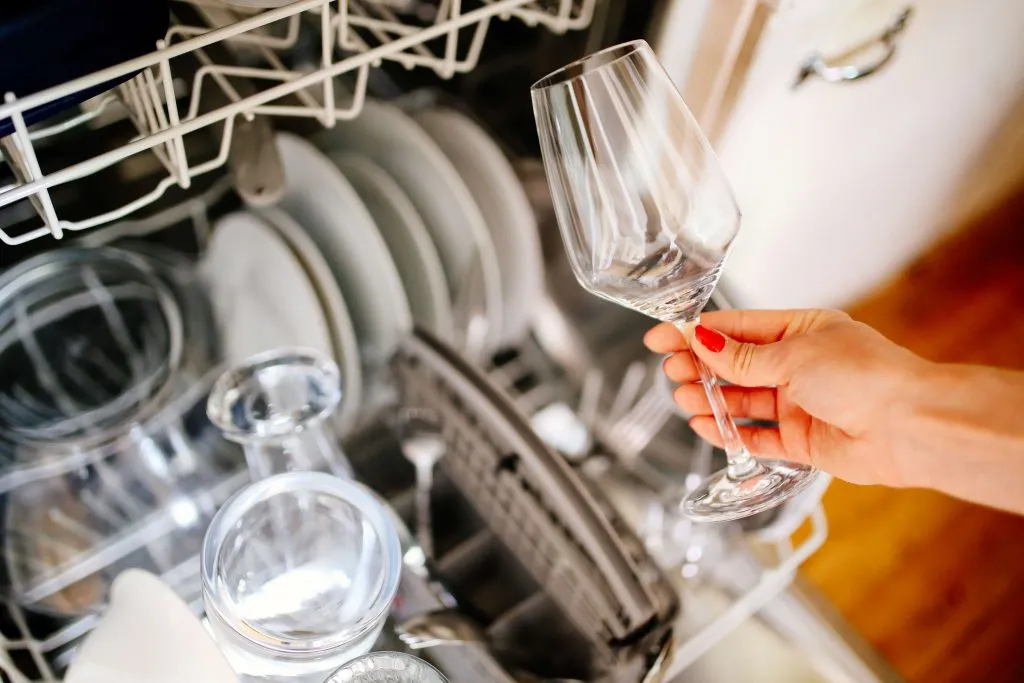
Many people assume the dishwasher has stopped working efficiently when cloudy plates or spotted cups appear after every wash cycle. While appliance issues do happen, hard water is often the real reason.
Calcium and magnesium naturally present in hard water remain on dishes after drying, leaving behind a chalky film that ordinary detergents can’t completely remove.
Even premium detergents struggle when they’re constantly working against mineral-rich water.
Related storyChoosing the Right Water Treatment Installation: Why a Thoughtful Setup Makes All the Difference
That’s why two identical dishwashers in different cities can produce completely different cleaning results.
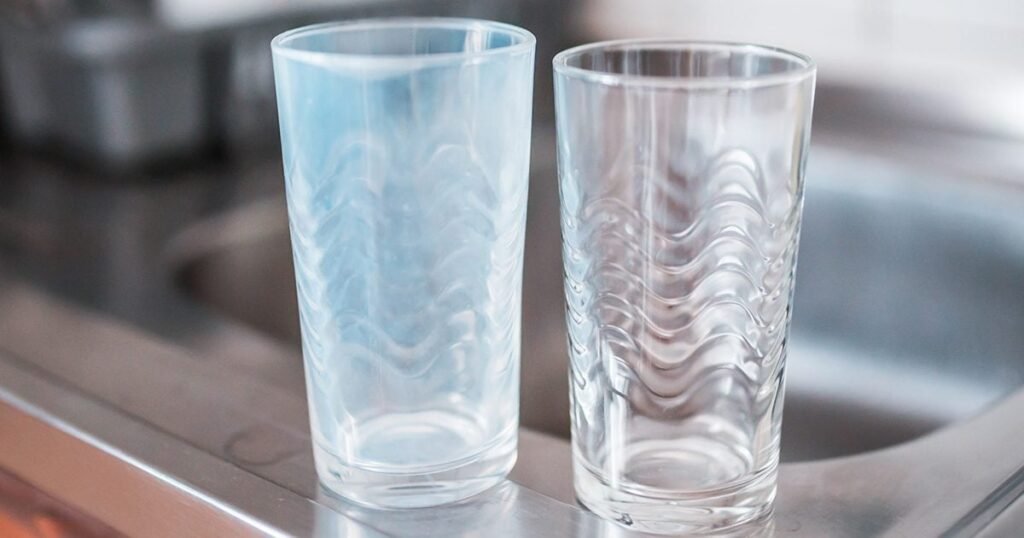
The Mystery of Cloudy Drinking Glasses
Few things are more frustrating than freshly washed drinking glasses that somehow still look dirty.
In many cases, they’re actually spotless.
The cloudy appearance often comes from mineral deposits rather than leftover food residue. Light reflects differently through the thin layer of dried minerals, making perfectly clean glasses appear dull or hazy.
Related storyWhy Consistent Water Quality Matters More Than Most People Think
Repeated exposure can eventually create permanent etching on delicate glassware, especially if hard water levels are particularly high.
At that point, no amount of polishing can fully restore the original clarity.
Preventing mineral deposits early is far easier than replacing damaged glasses later.
Why Hard Water Makes Cleaning More Difficult
Hard water affects more than dishes.
Soap reacts with dissolved minerals before it has a chance to clean effectively. Instead of rinsing away easily, soap leaves behind a sticky film commonly called soap scum.
Bathrooms require more scrubbing. Kitchen sinks lose their shine quickly. Shower doors collect stubborn spots, while chrome fixtures constantly develop white mineral rings.
Cleaning products often seem less effective simply because they’re fighting against water chemistry rather than dirt alone.
Related storyWhy Hard Water Affects More Than Your Plumbing: What Every Homeowner Should Know
Many homeowners unknowingly spend more money on stronger cleaners when improving the water itself would provide better results.
How Mineral Deposits Affect Household Appliances
The visible residue on dishes is only part of the story.
Inside your home, minerals are quietly collecting inside water heaters, coffee makers, kettles, washing machines, and plumbing pipes.
Water heaters become less energy efficient as heating elements become coated with scale. Coffee makers brew more slowly. Washing machines require additional effort to rinse laundry completely.
These gradual changes rarely happen overnight, which makes them easy to overlook until repairs become necessary.
Regular maintenance certainly helps, but preventing excessive mineral accumulation is even more valuable.
Why Many Homeowners Choose Water Softeners
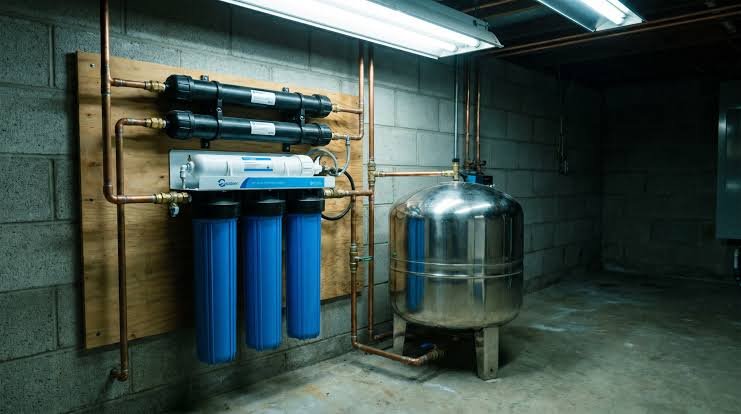
For homes with consistently hard water, water softeners provide one of the most effective long-term solutions.
Rather than simply filtering water, traditional softeners remove calcium and magnesium through an ion exchange process before the water circulates throughout the home.
The benefits often become noticeable surprisingly quickly.
Soap creates richer lather. Laundry feels softer. Bathroom fixtures stay cleaner longer, and dishes begin drying with fewer spots.
Perhaps most importantly, appliances receive greater protection from mineral accumulation, helping them maintain efficiency and potentially extending their usable lifespan.
Although softeners require routine maintenance, many homeowners consider the reduced cleaning effort and improved appliance performance well worth it.
Small Habits That Also Make a Difference
Even without installing a whole-house treatment system, several simple practices can reduce hard water effects.
Using rinse aid in the dishwasher helps minimize spotting during drying cycles. Cleaning coffee makers and kettles with white vinegar every few months dissolves early mineral deposits before they become stubborn.
Flushing water heaters annually removes accumulated sediment, improving efficiency and helping reduce wear on heating elements.
These maintenance habits don’t eliminate hard water, but they can certainly reduce its impact.
Combining good maintenance with appropriate water treatment provides the best long-term results.
Better Water Improves Everyday Living
One of the biggest surprises homeowners mention after improving their water isn’t simply cleaner dishes.
Cooking becomes more enjoyable because coffee, tea, and soups often taste fresher. Cleaning requires less effort because soap works more effectively. Bathroom fixtures remain cleaner between deep cleanings, while laundry feels noticeably softer.
These aren’t dramatic overnight transformations, but they quietly improve dozens of small moments throughout everyday life.
Sometimes the most meaningful home improvements are the ones you notice a little bit every single day.
Clean Dishes Begin With Better Water
Cloudy glasses and spotted plates are easy to dismiss as minor annoyances, but they’re often early signs that your home’s water deserves closer attention.
Rather than replacing appliances or experimenting with stronger detergents, it’s worth considering whether the water itself is contributing to the problem.
Understanding your home’s water quality allows you to choose practical solutions that improve cleaning performance, protect appliances, and reduce long-term maintenance.
When cleaner water flows through every faucet, the benefits reach far beyond the kitchen sink. They become part of everyday life—one sparkling glass, one efficient appliance, and one less household frustration at a time.